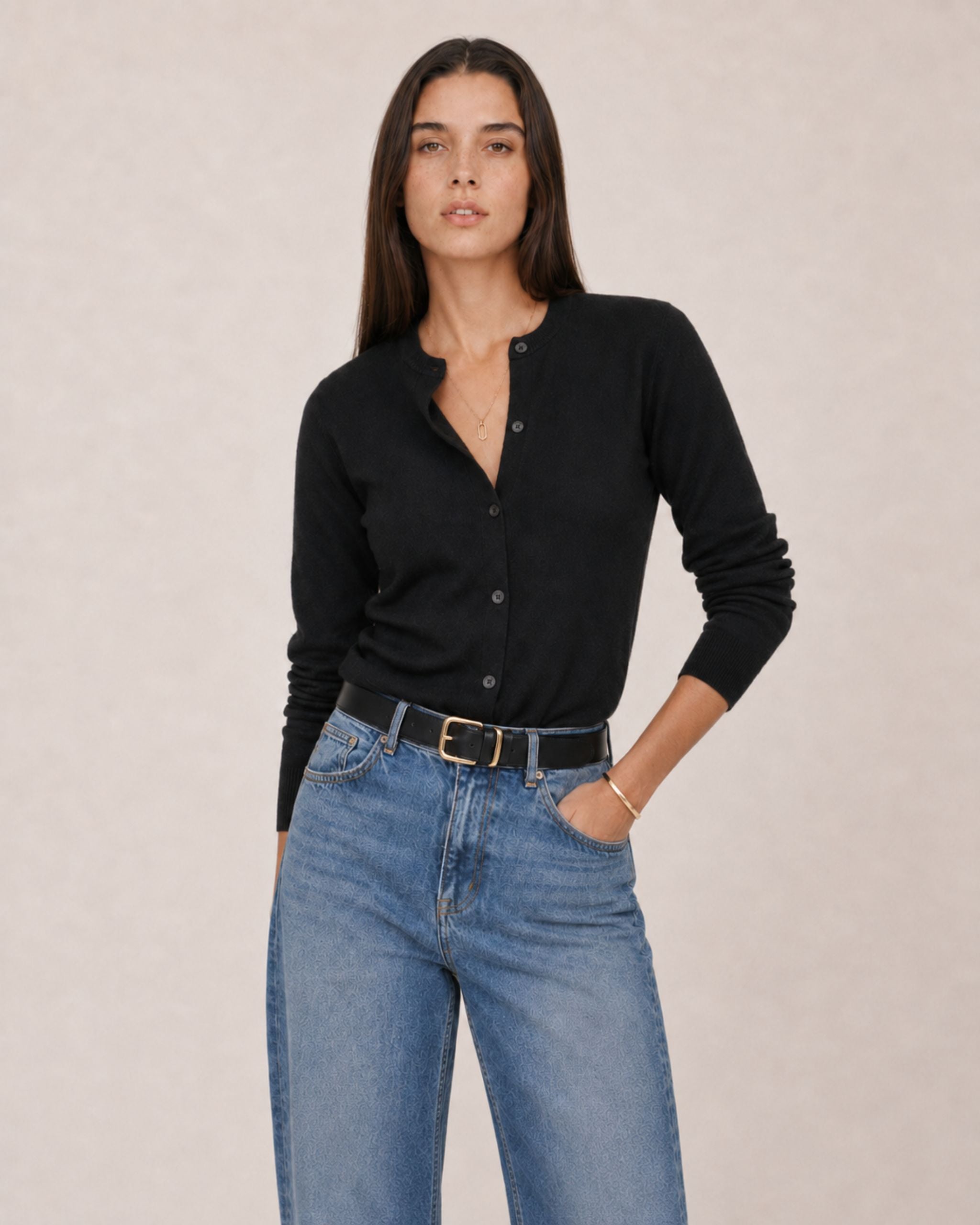
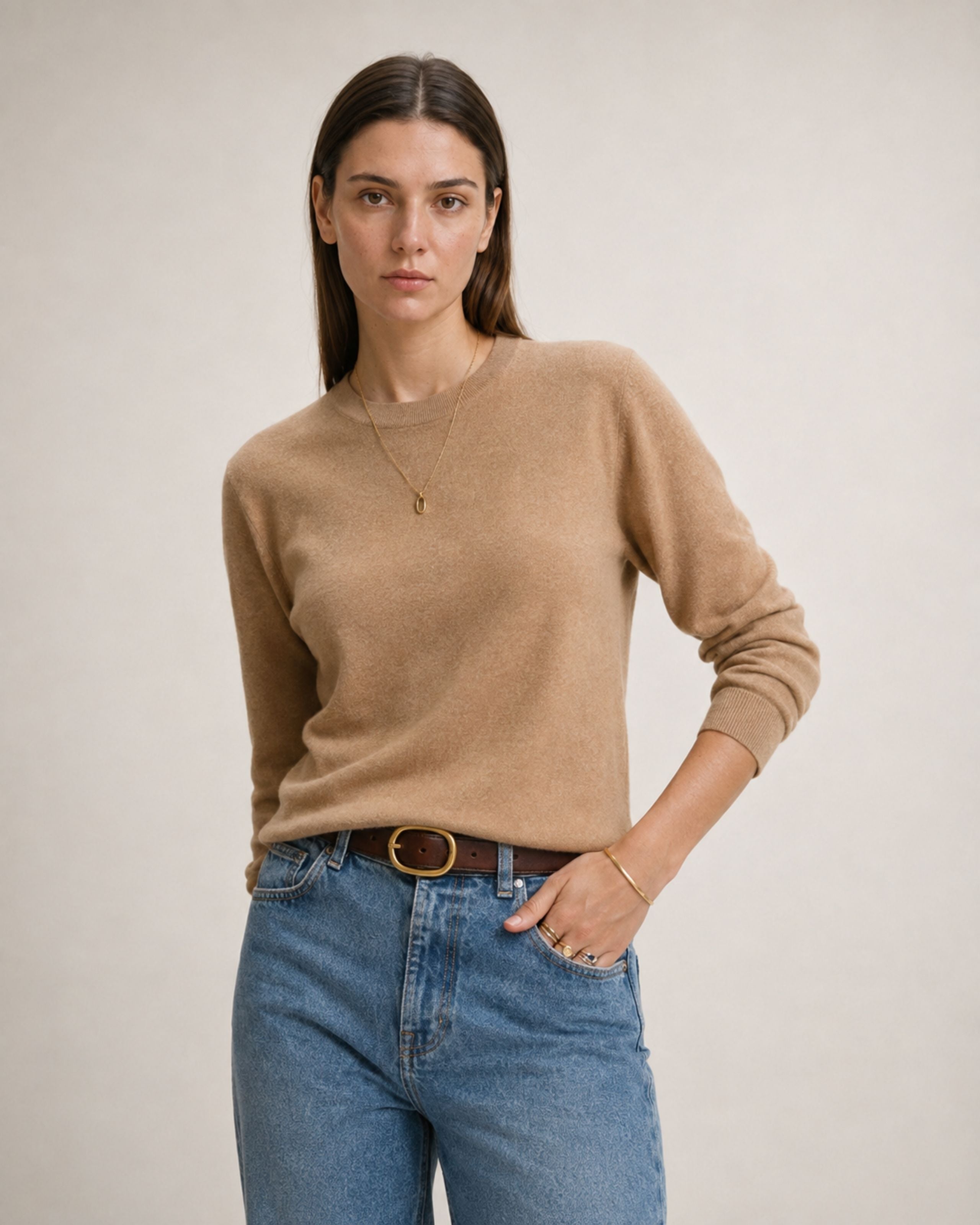
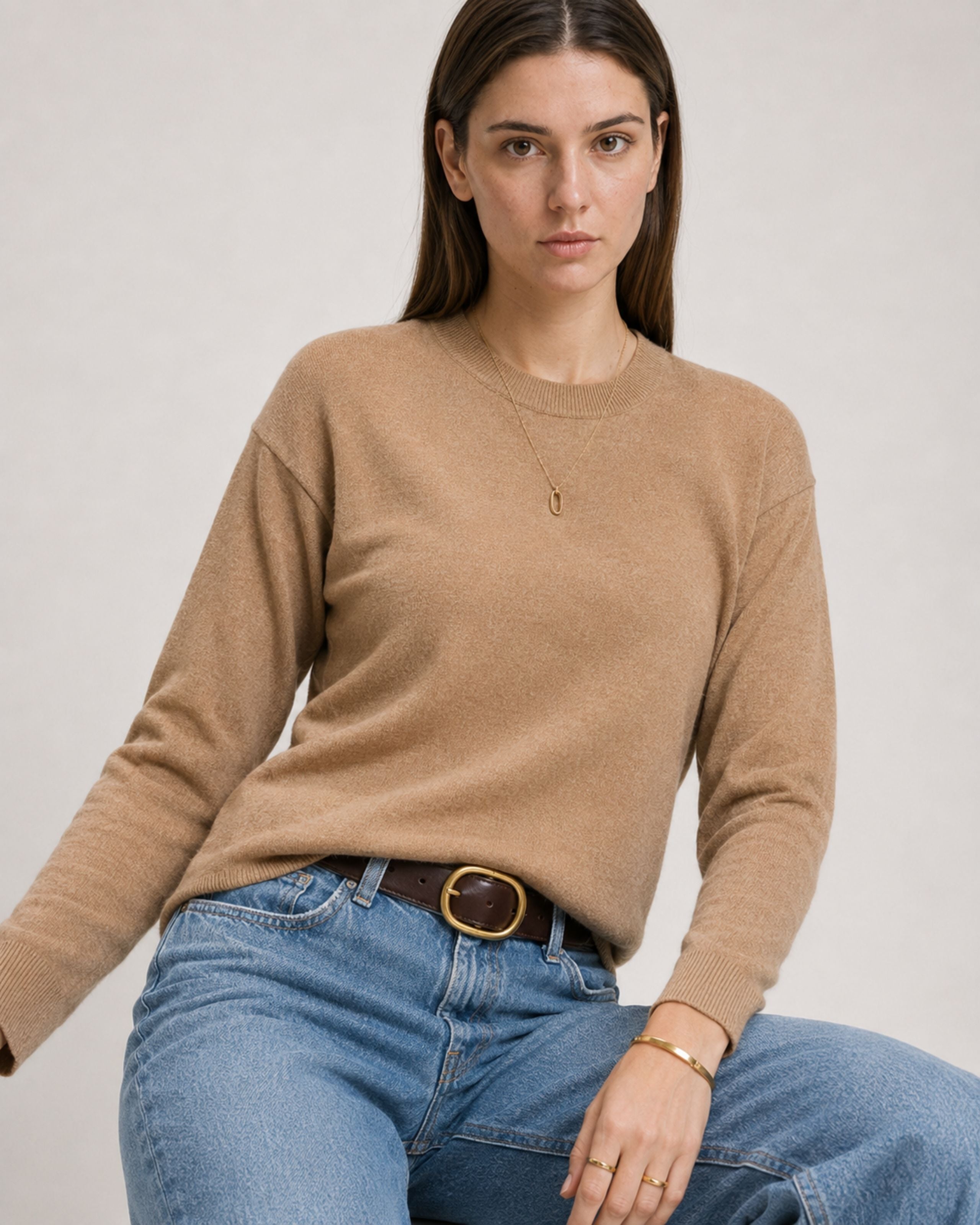
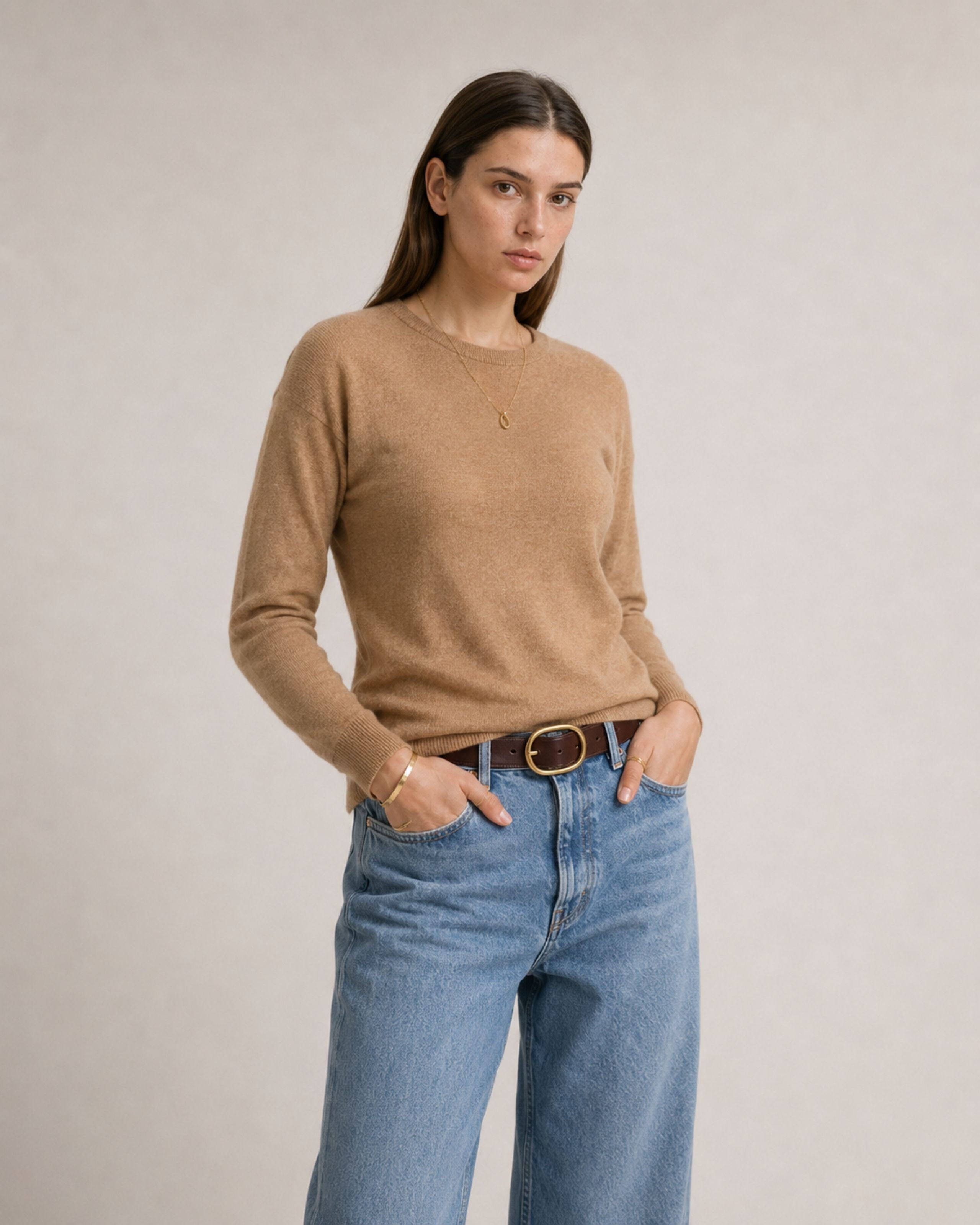
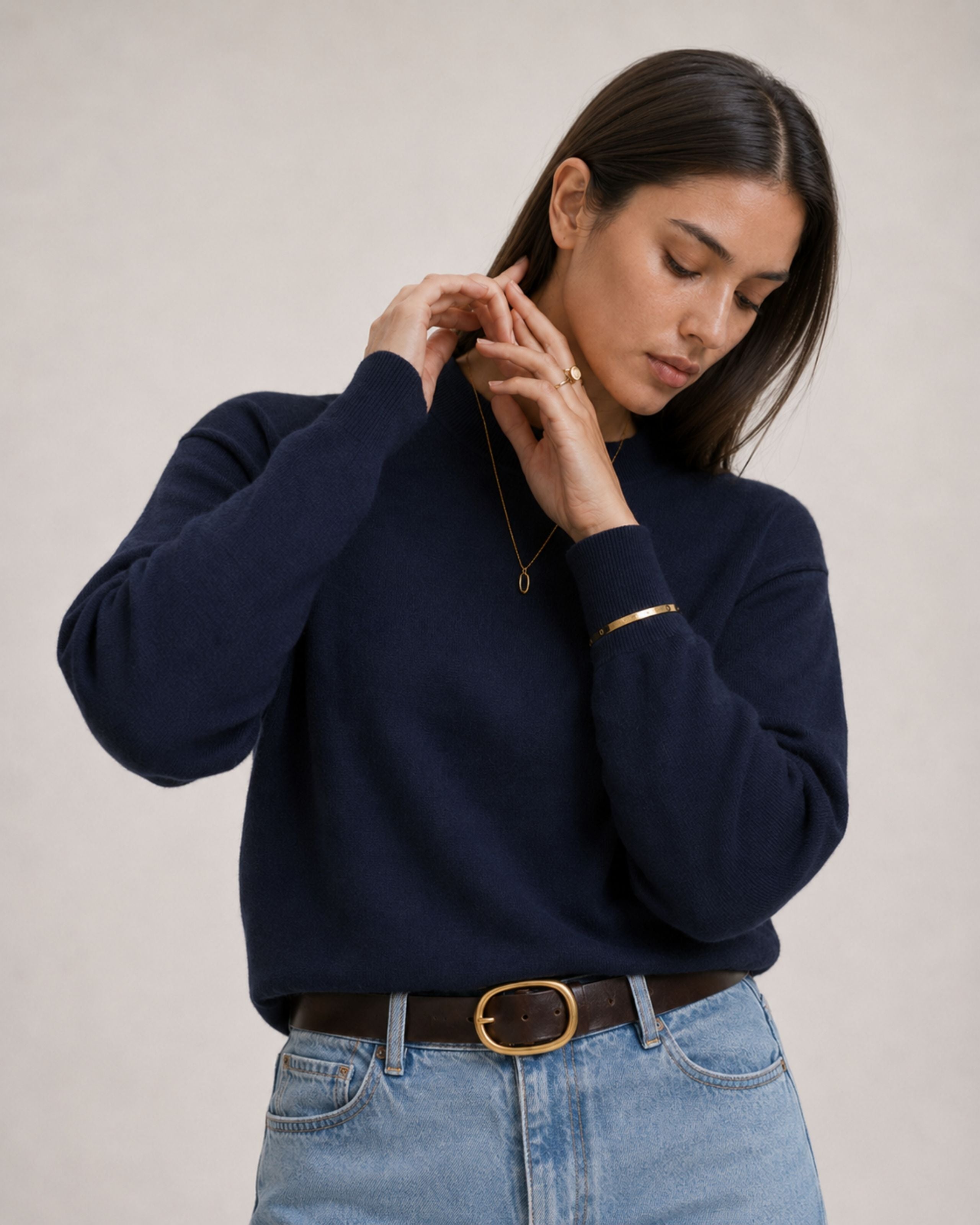
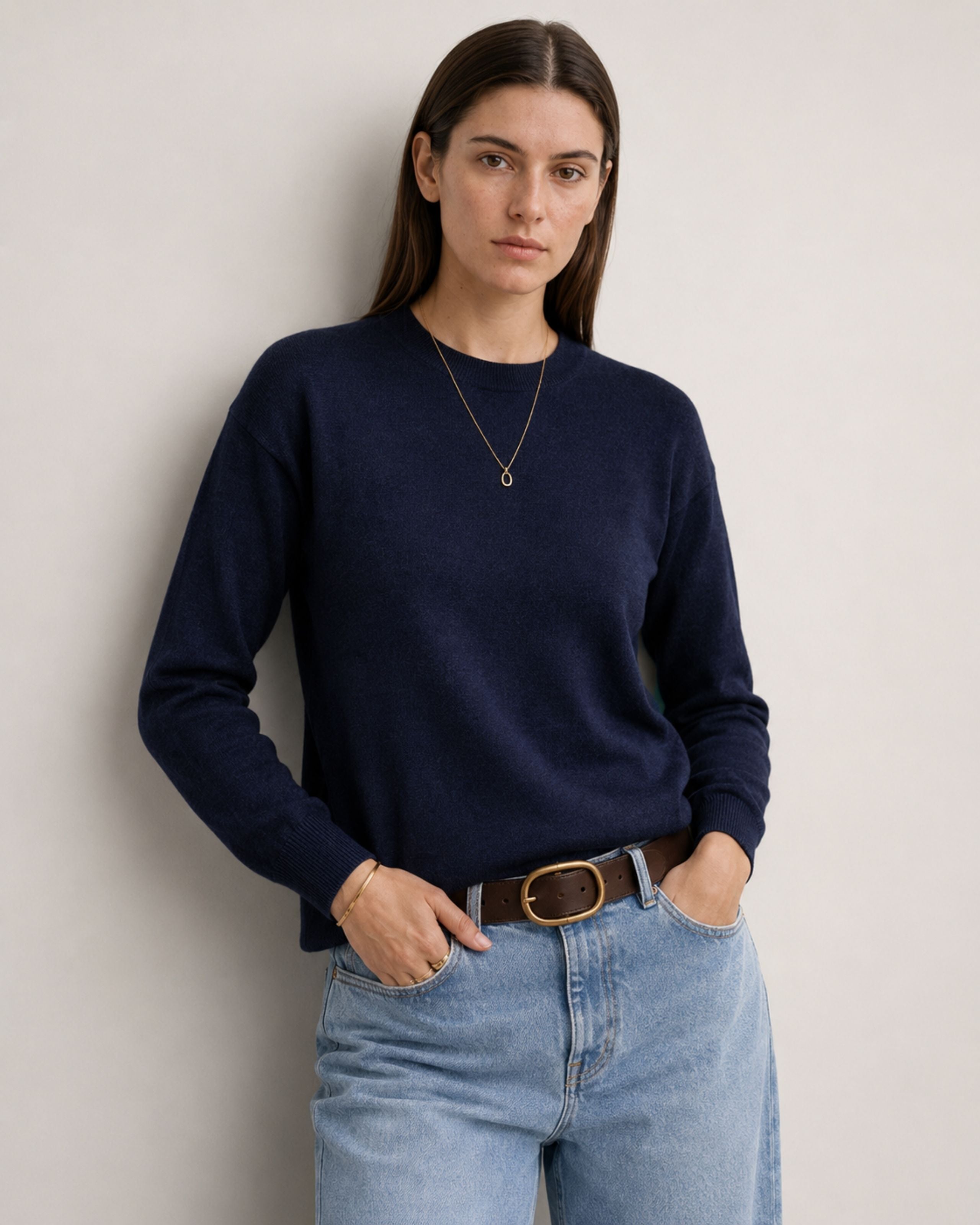
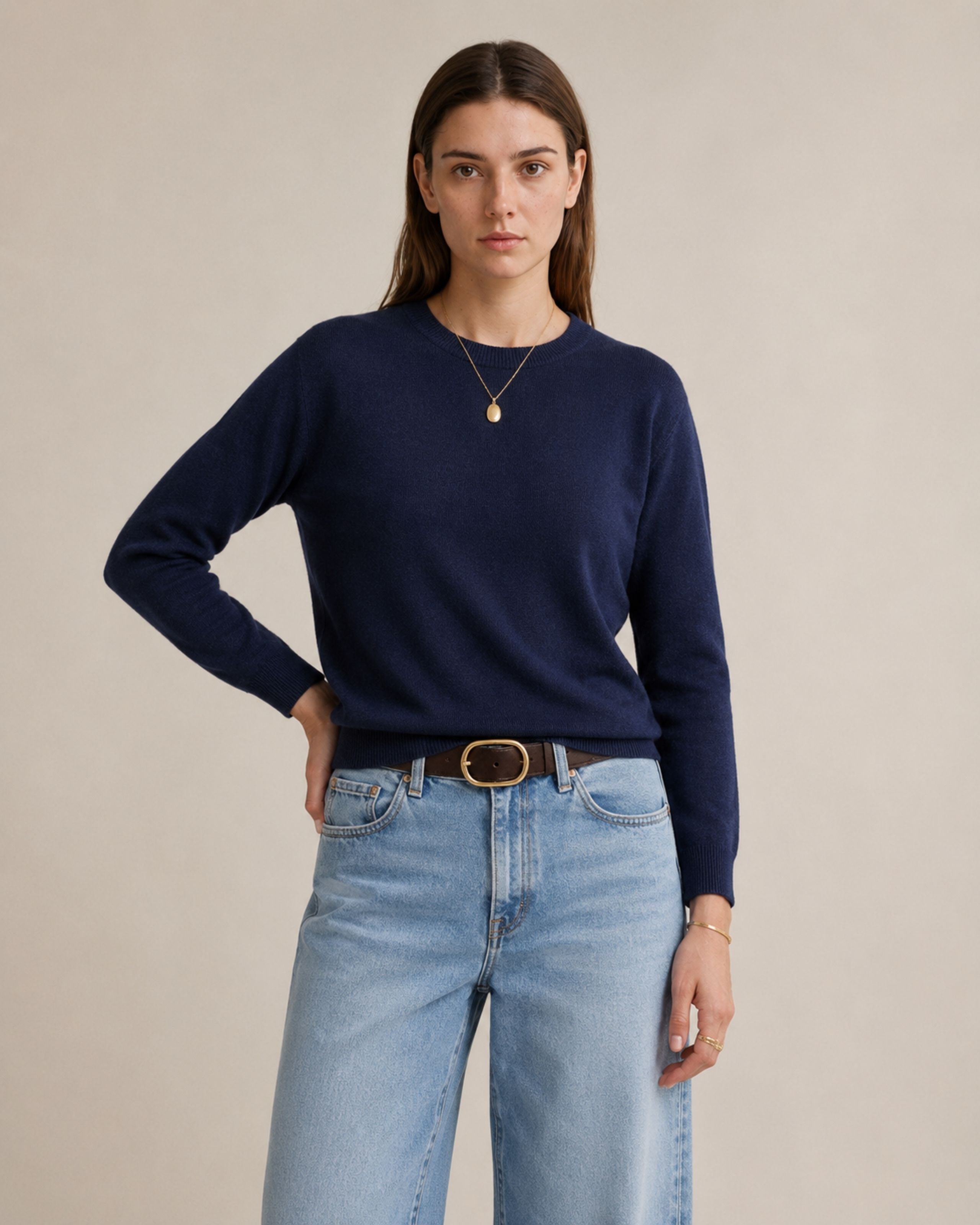
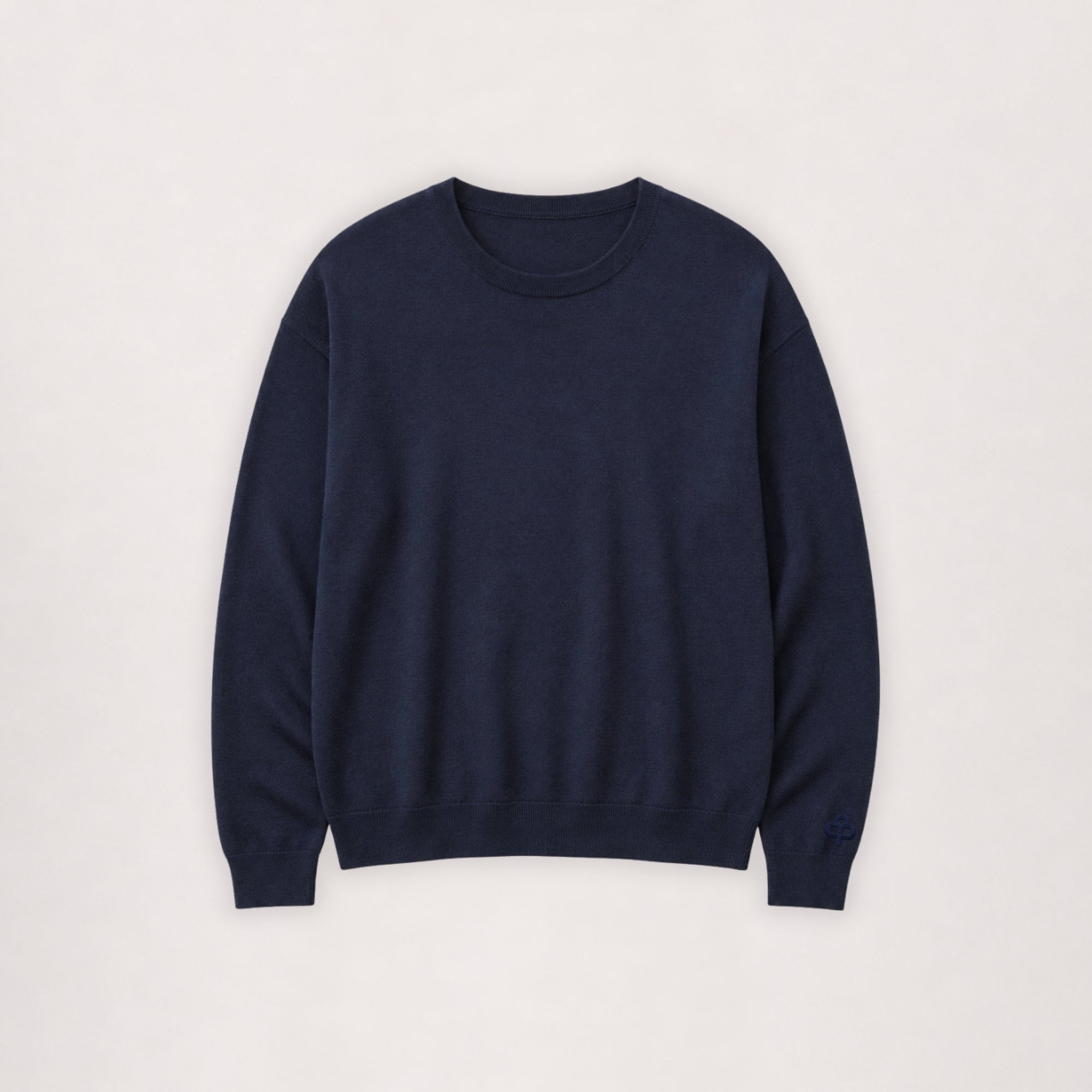
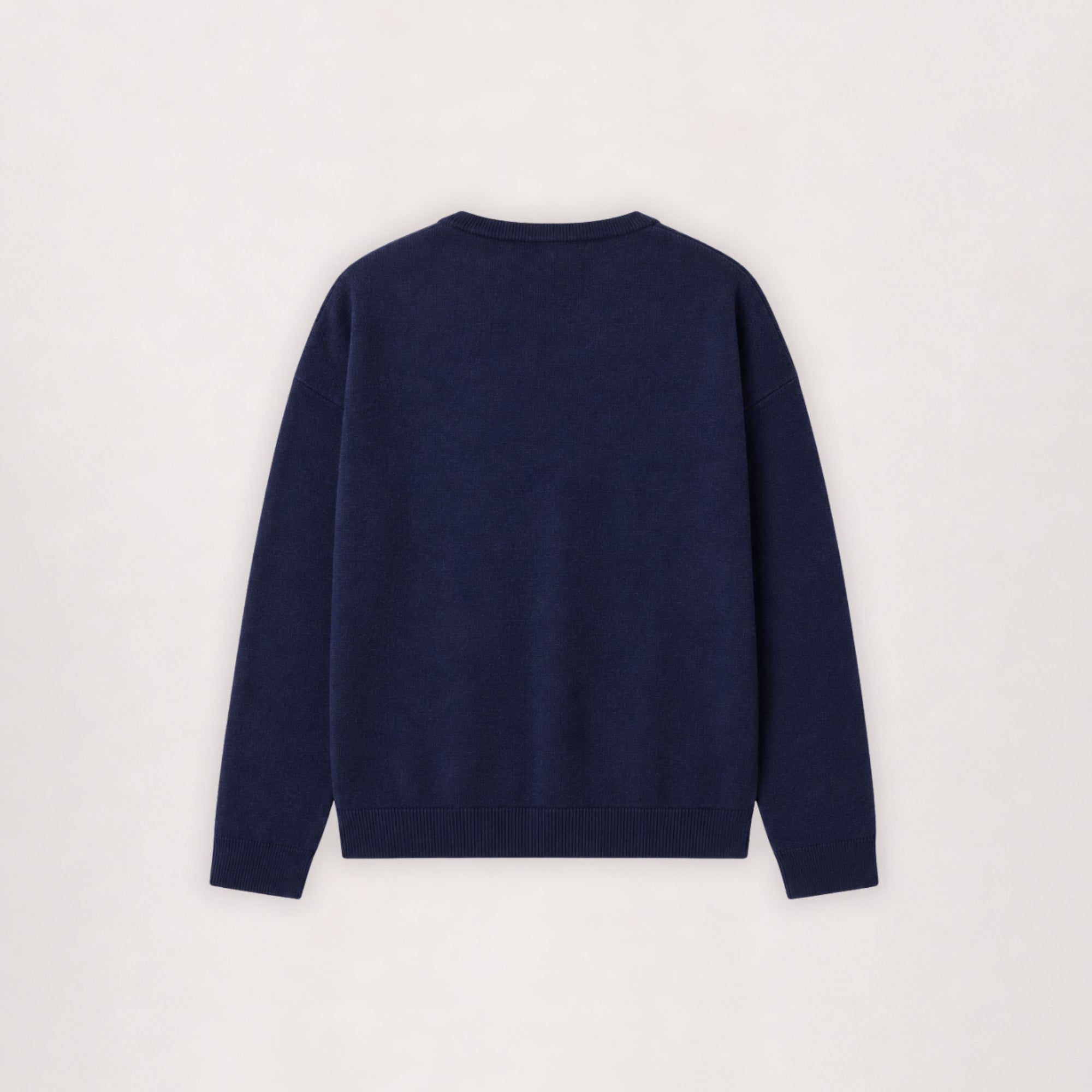
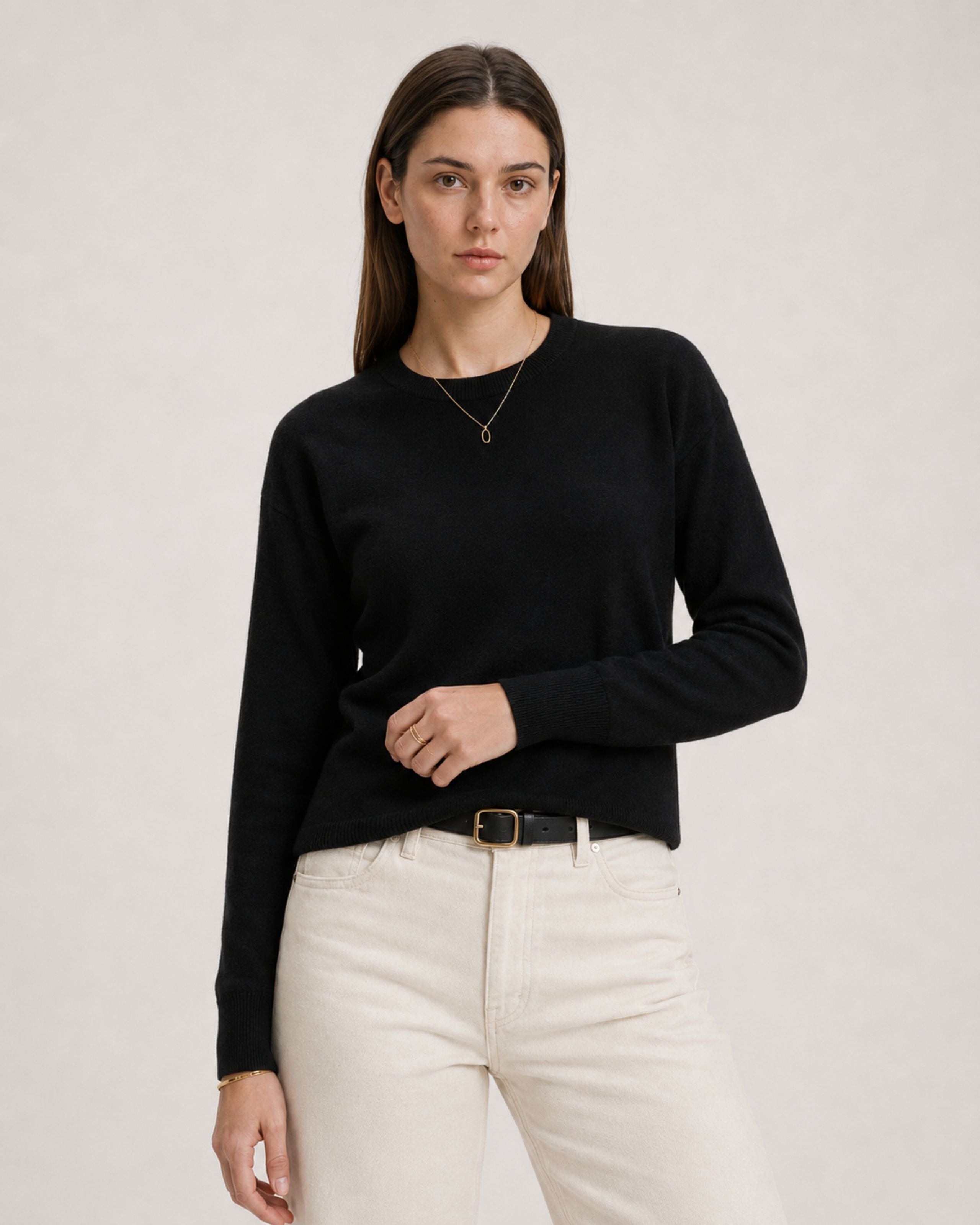
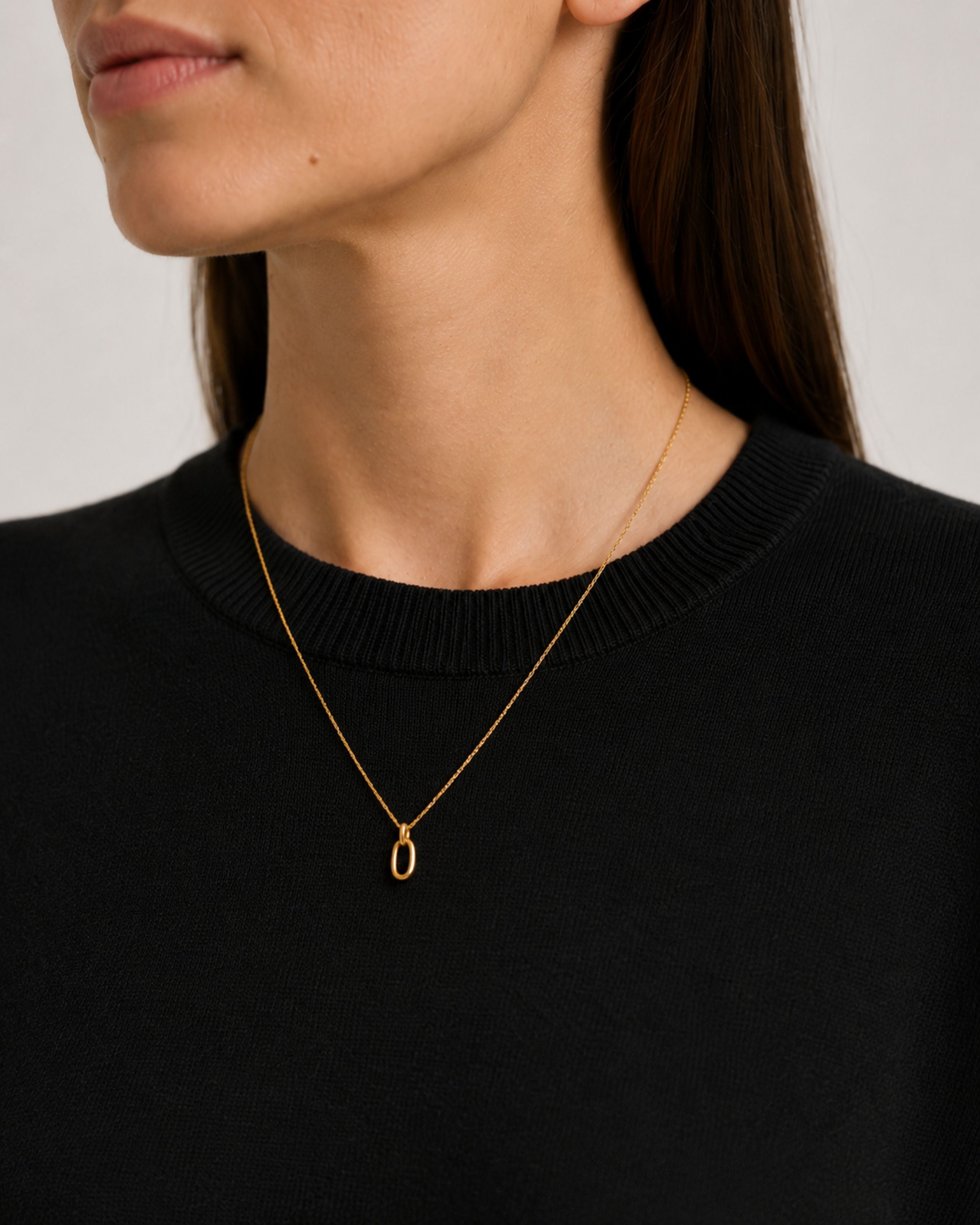
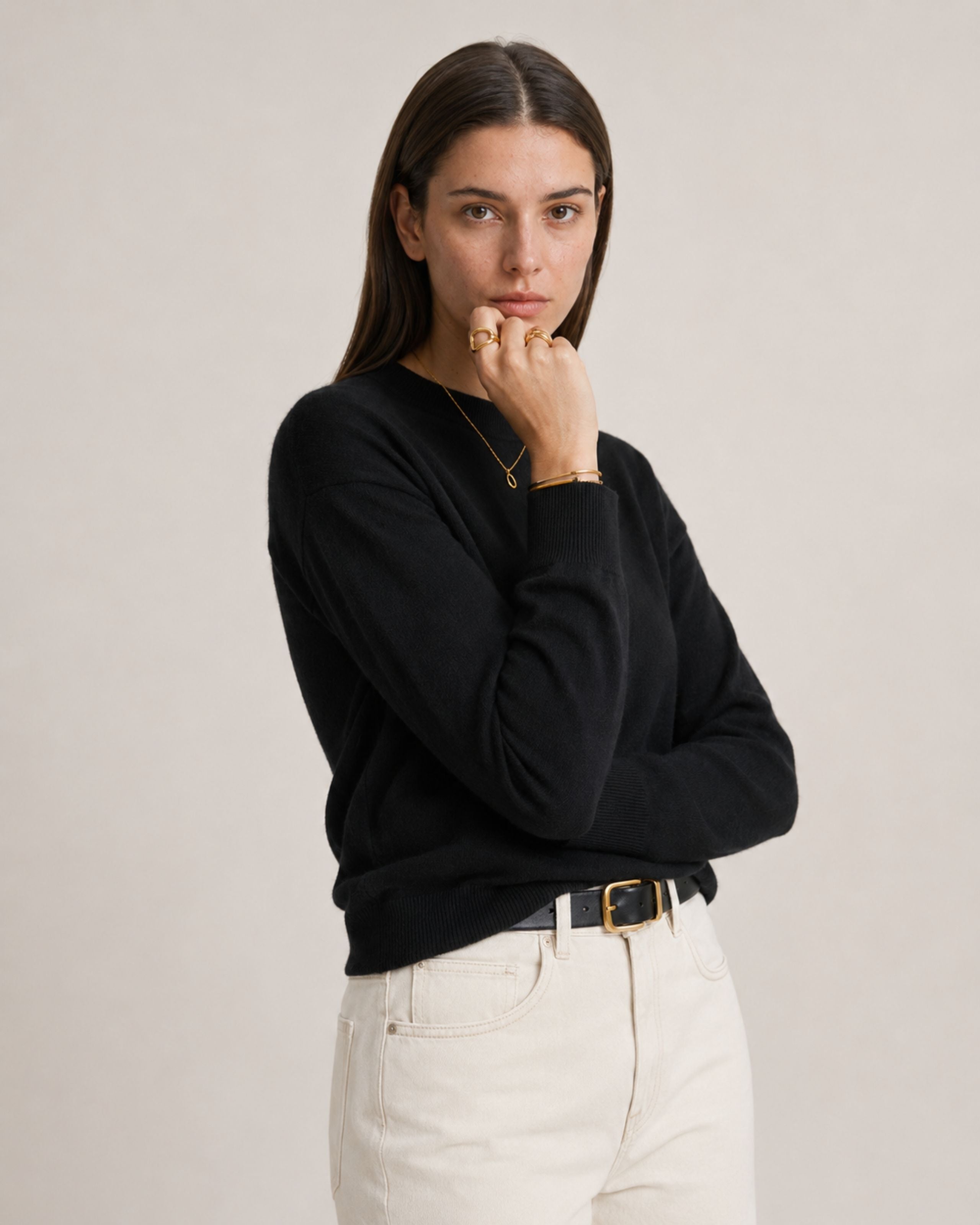
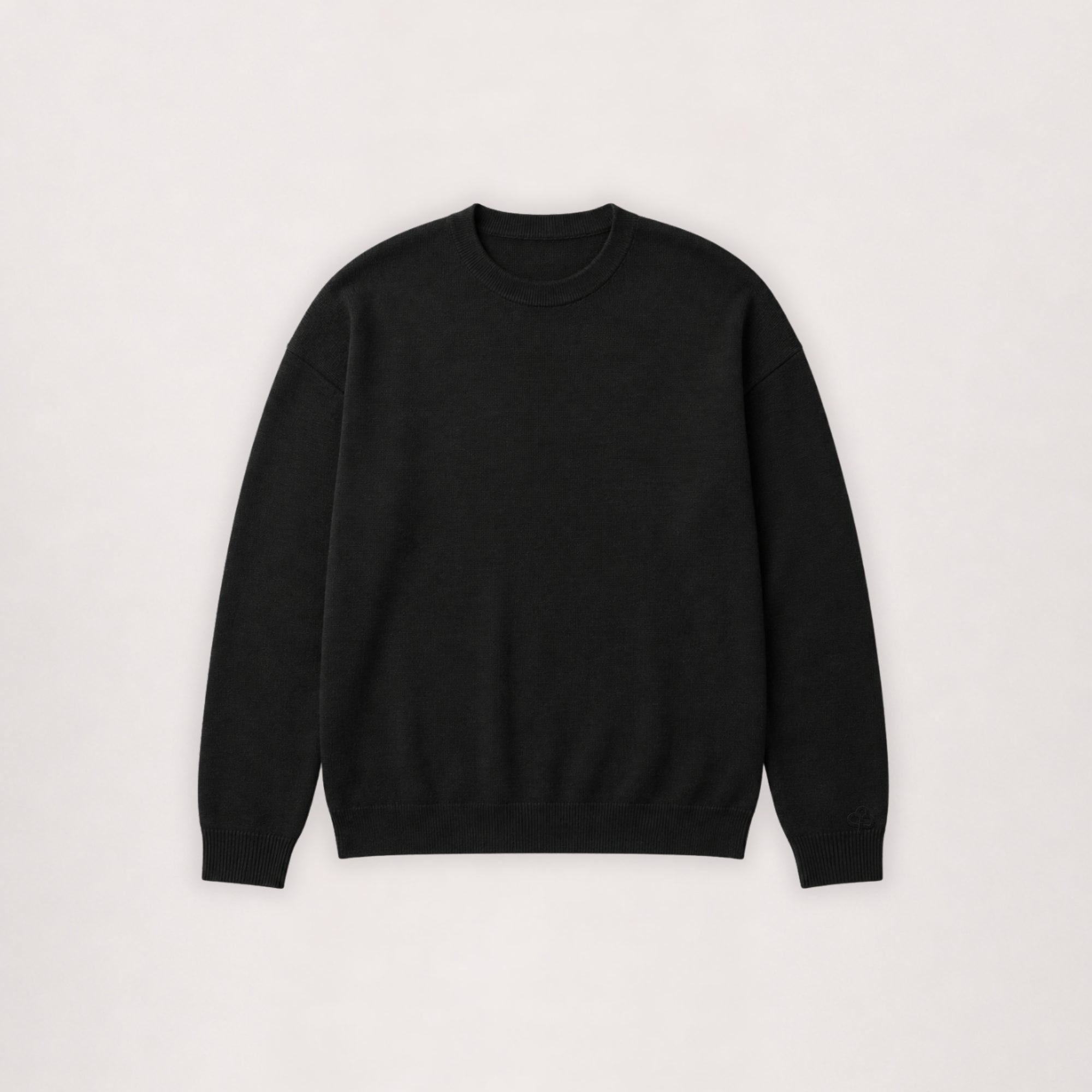
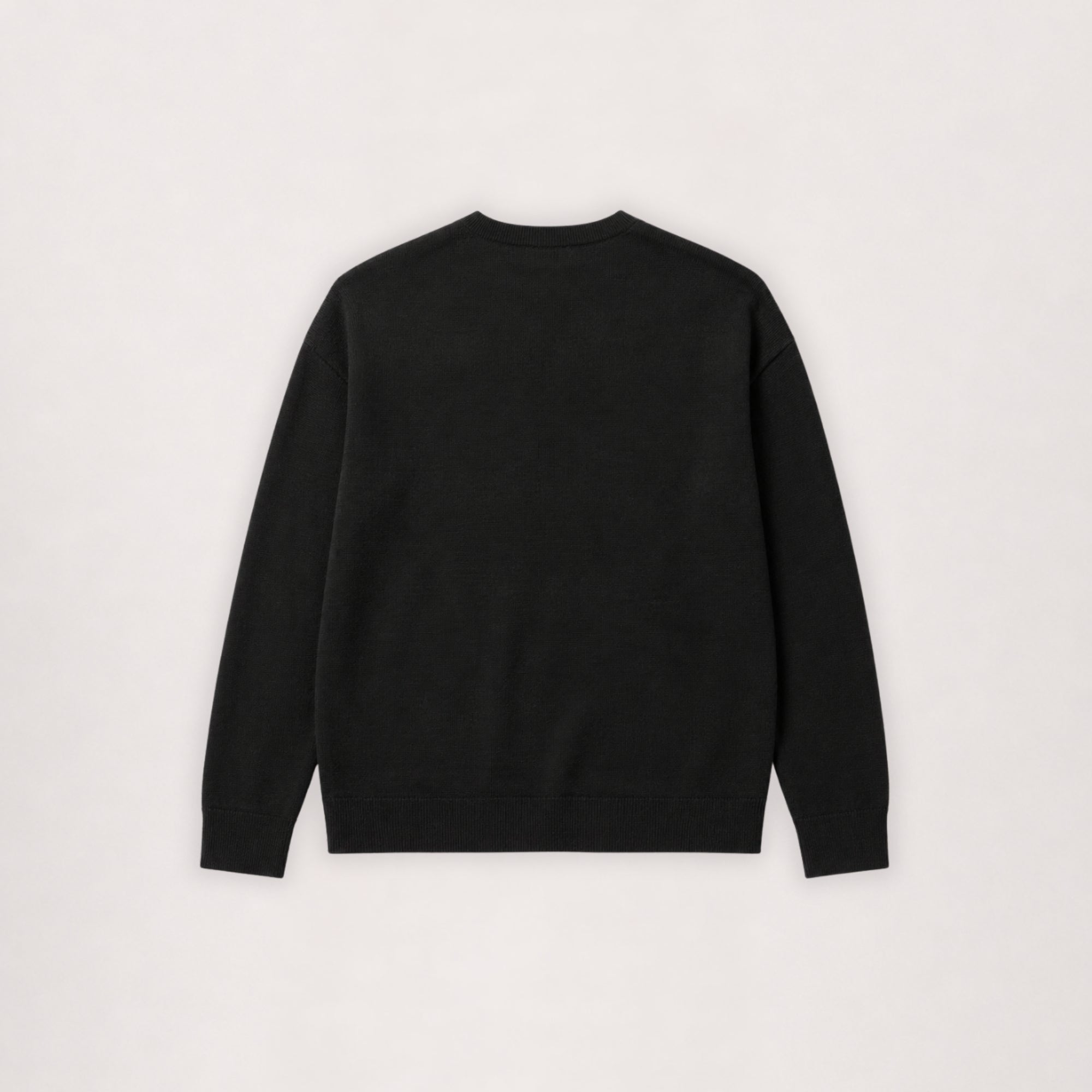
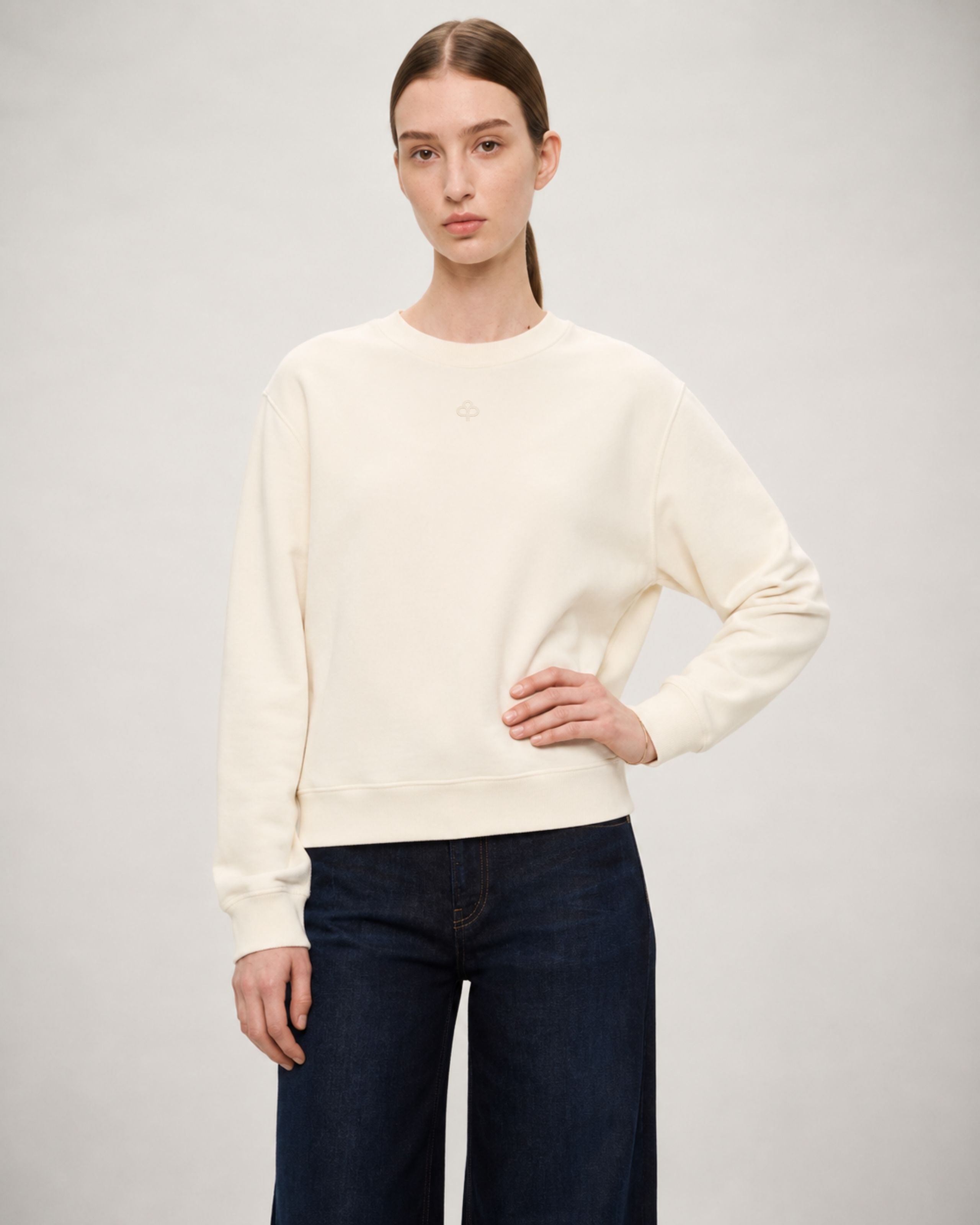
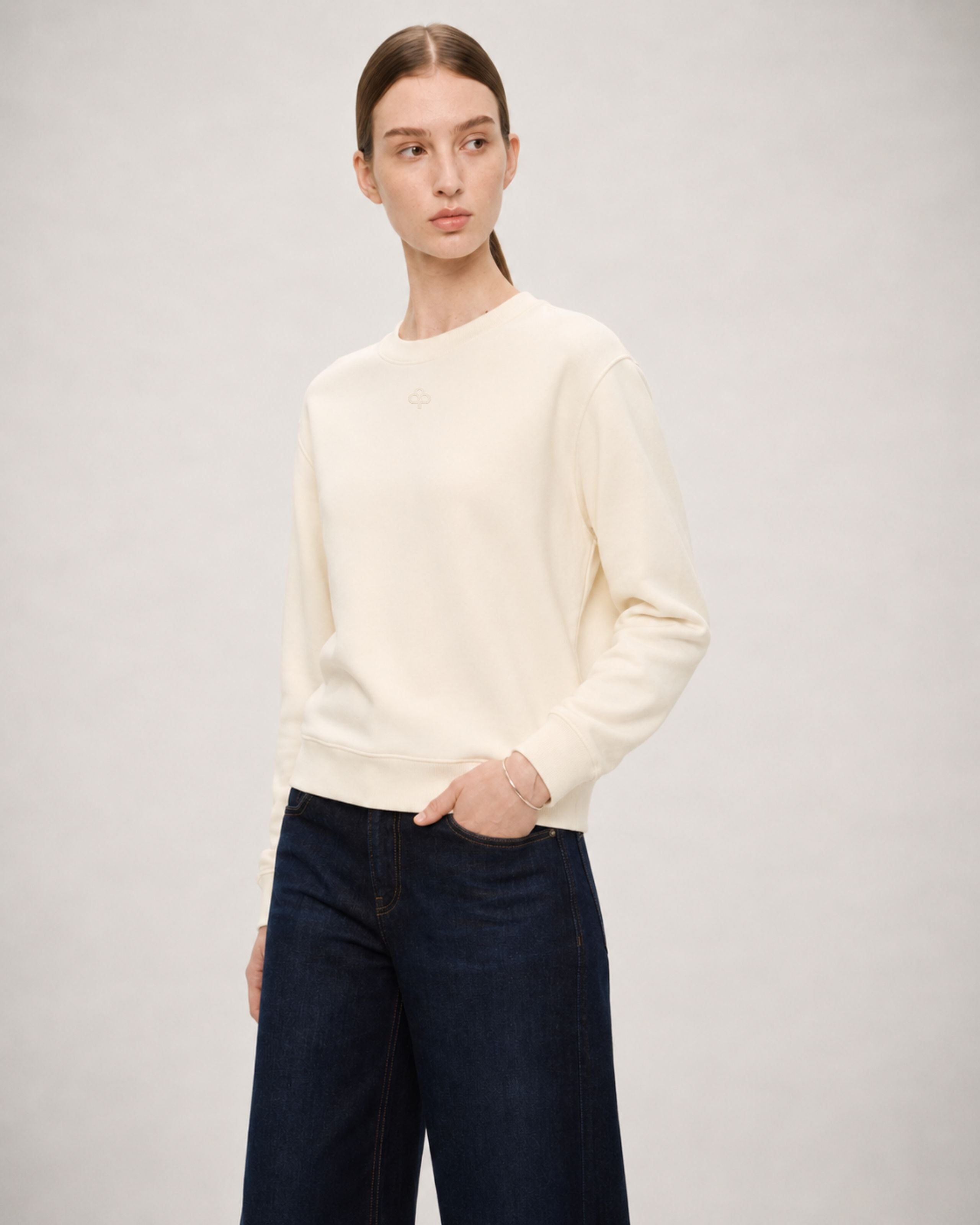
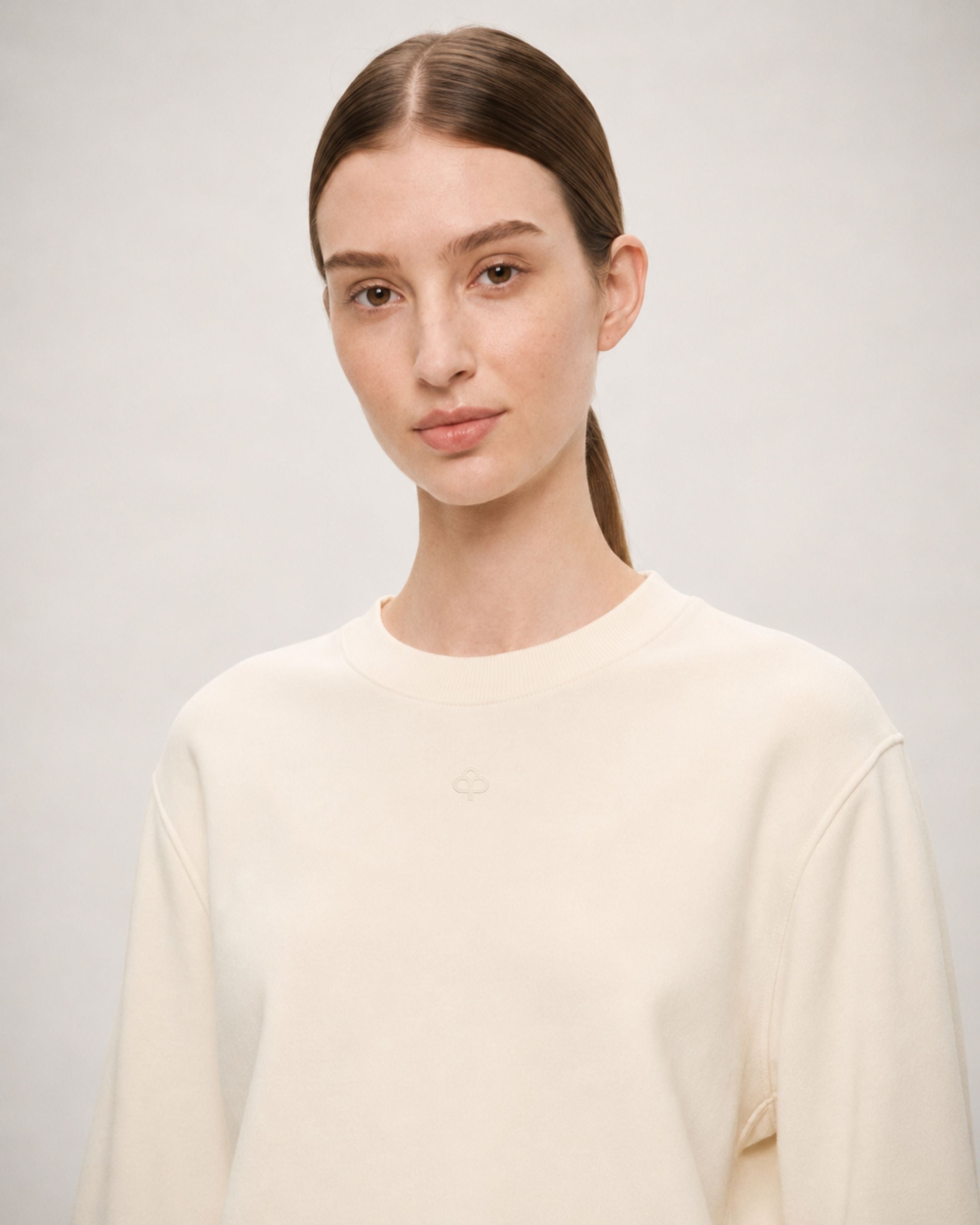
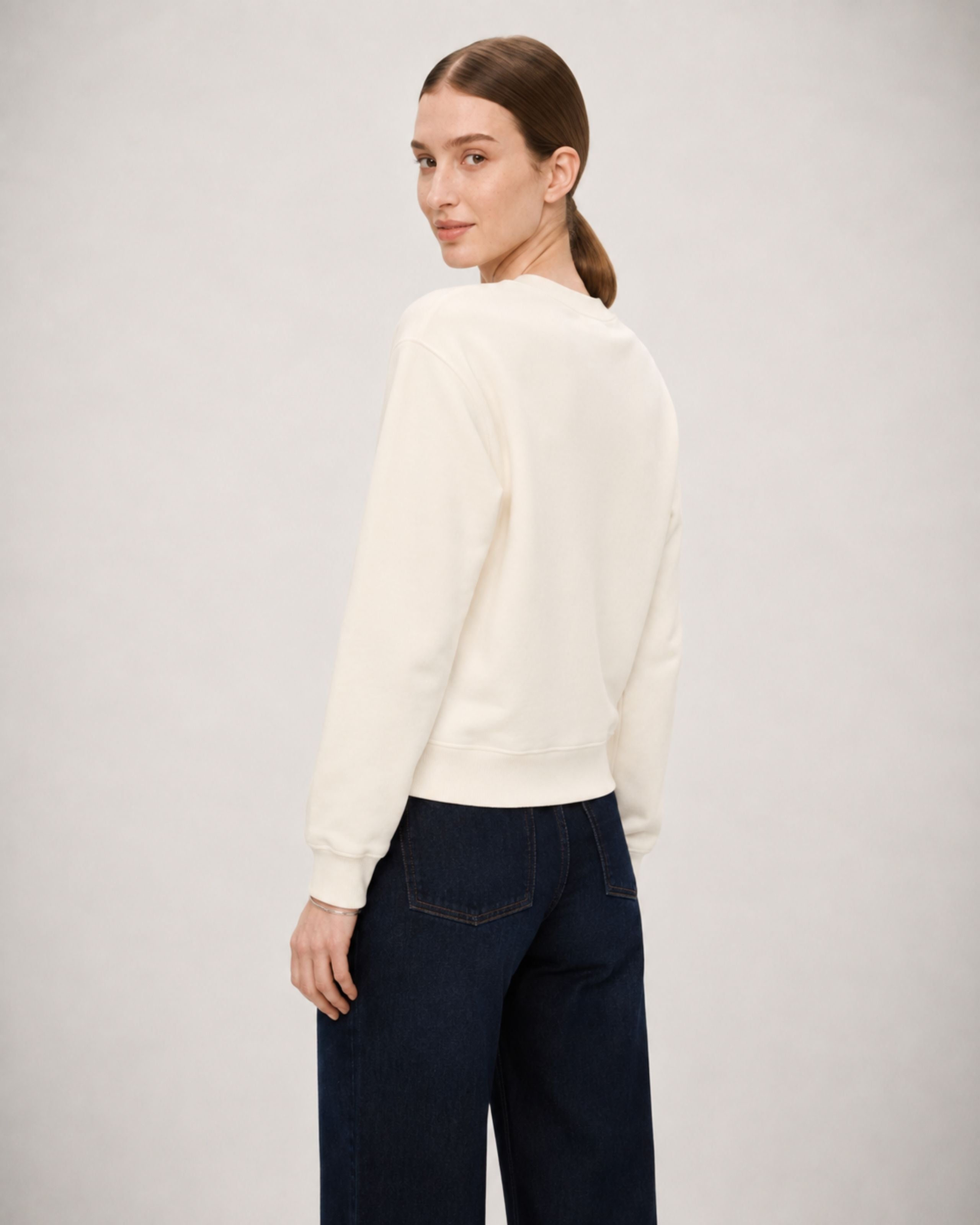
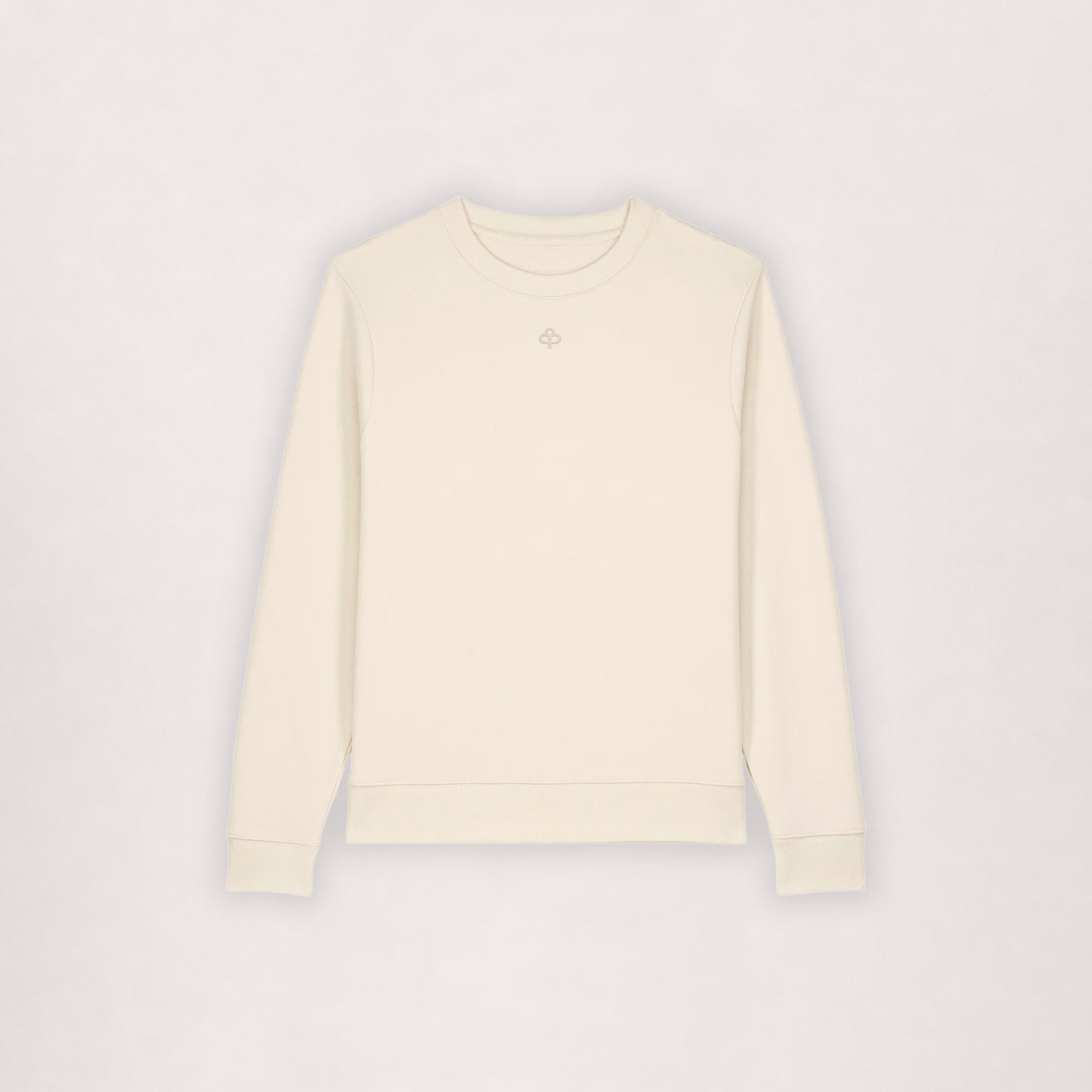
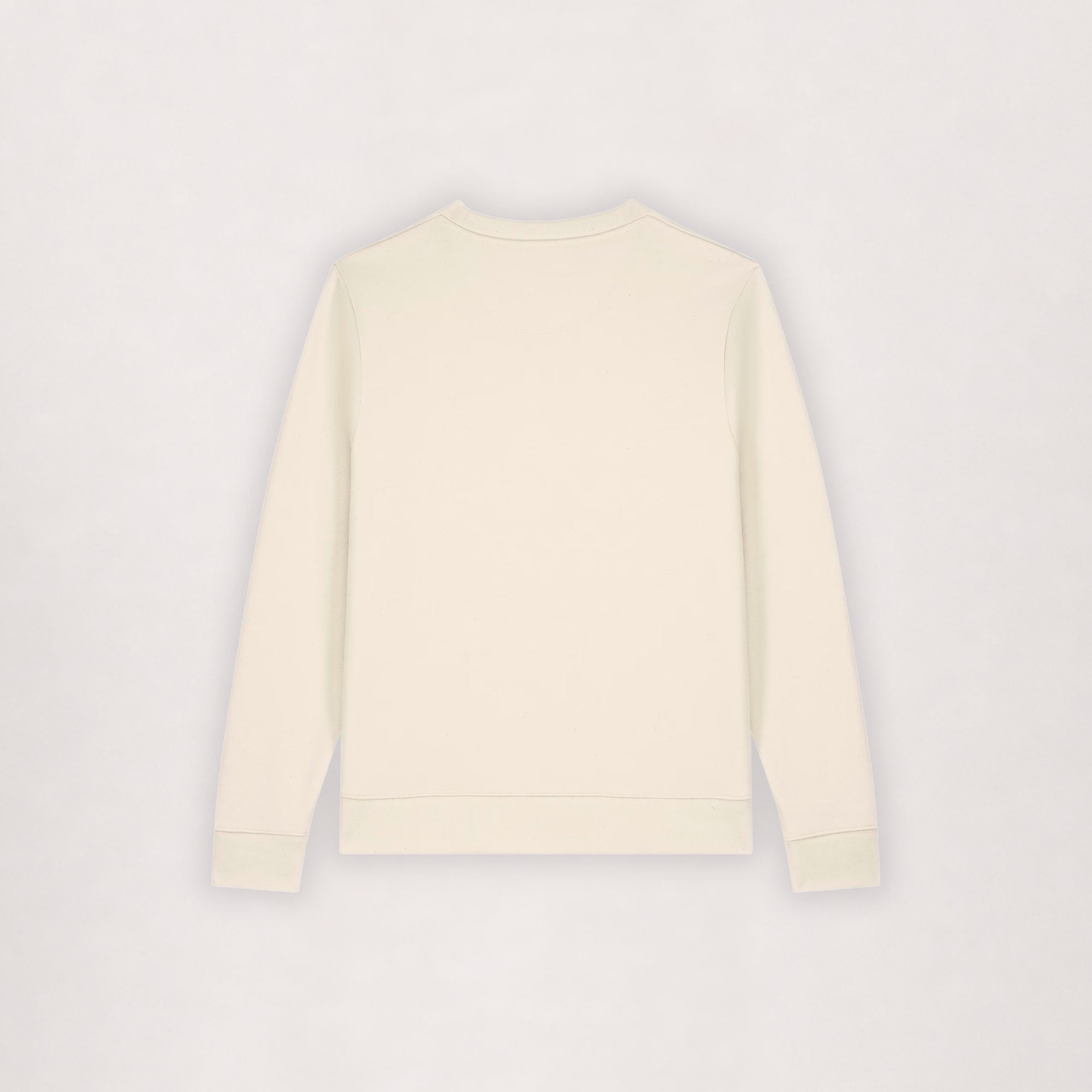
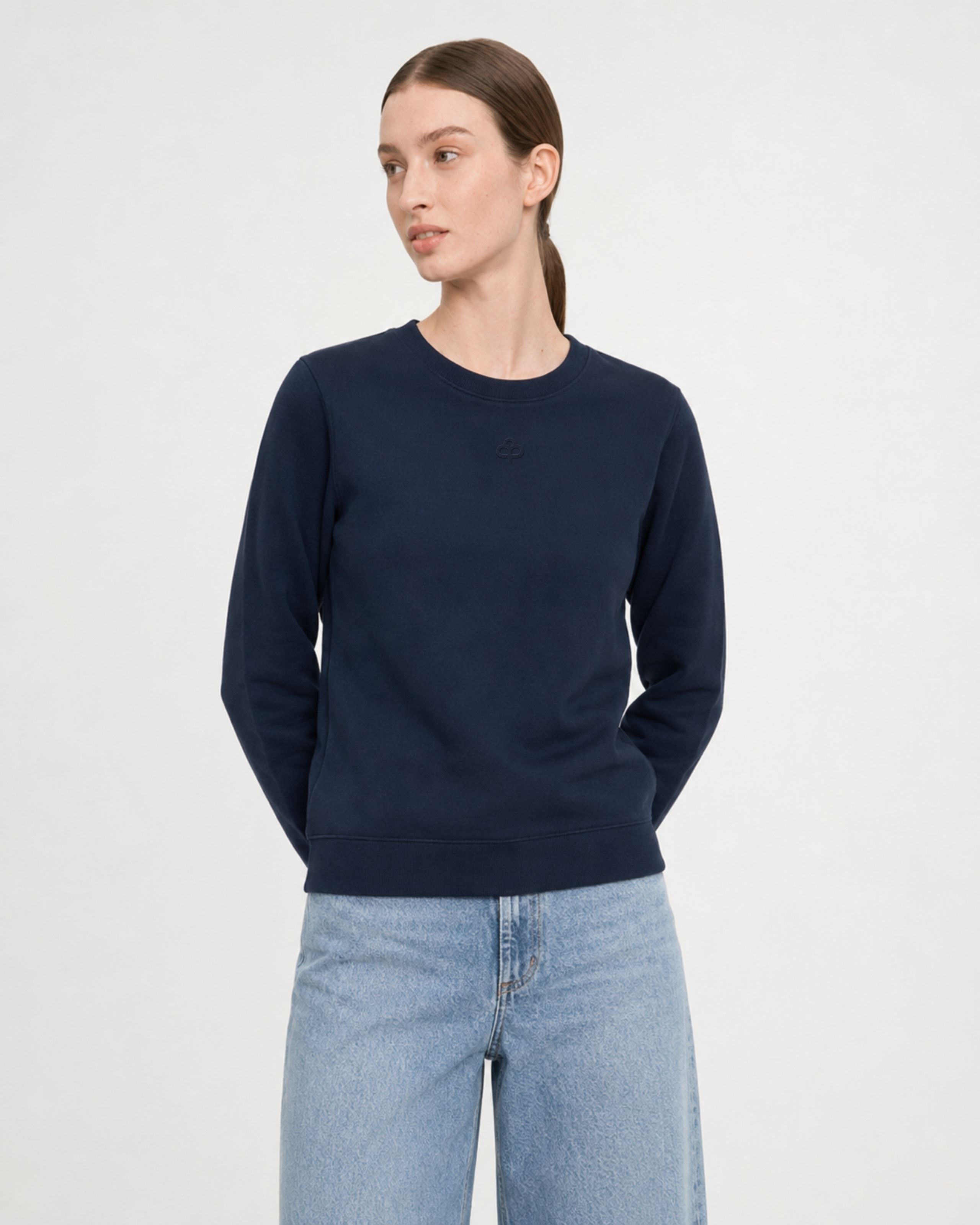
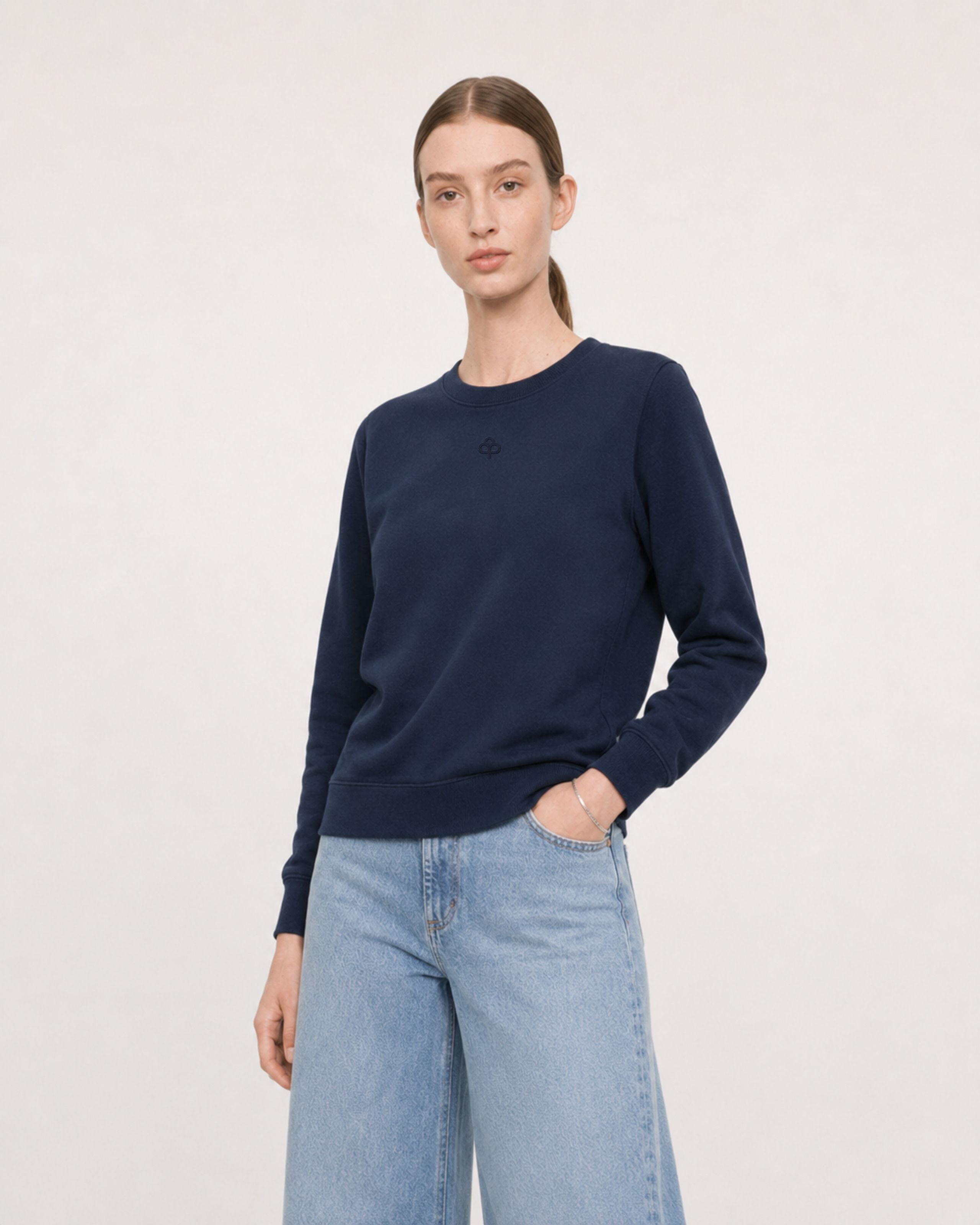
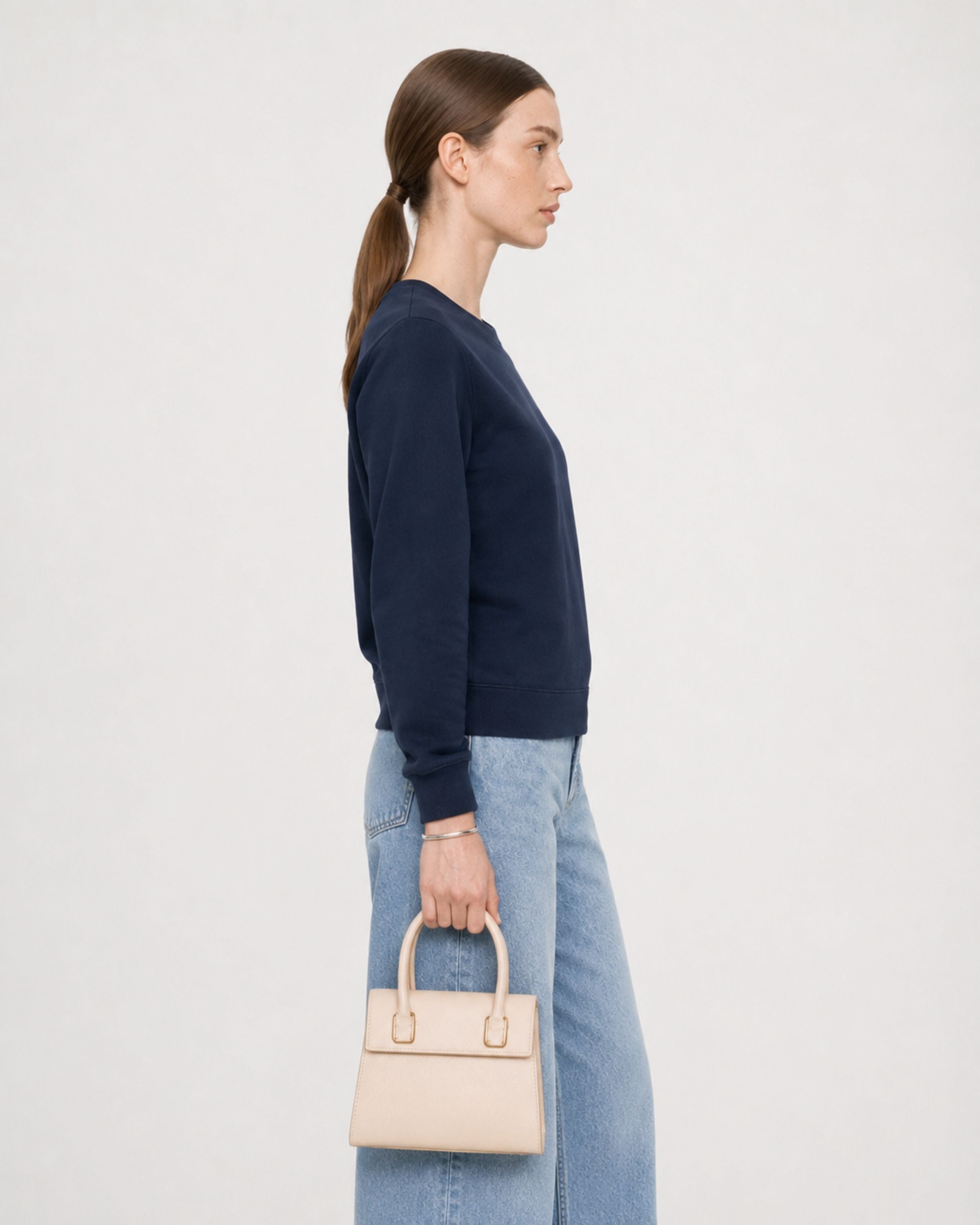
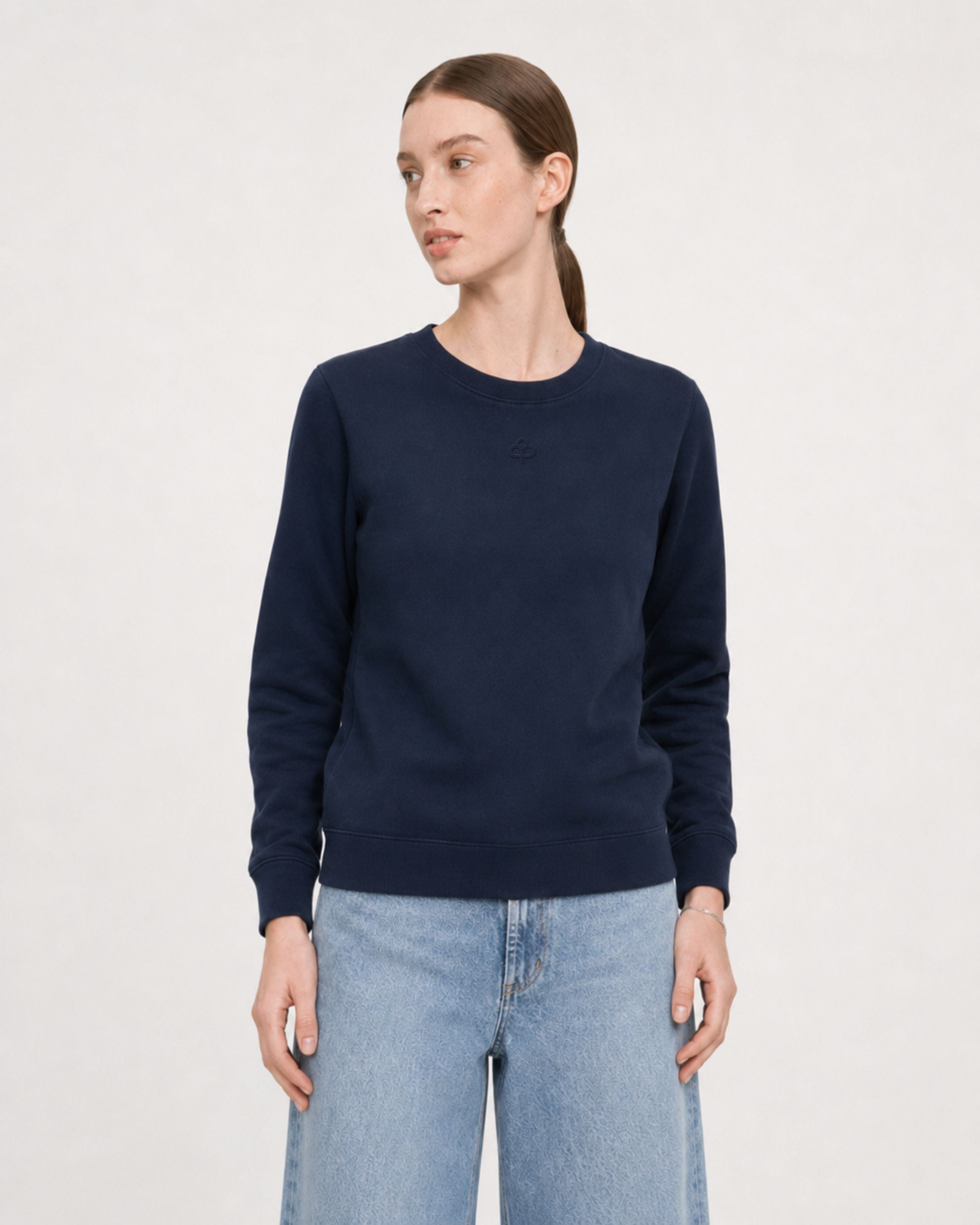
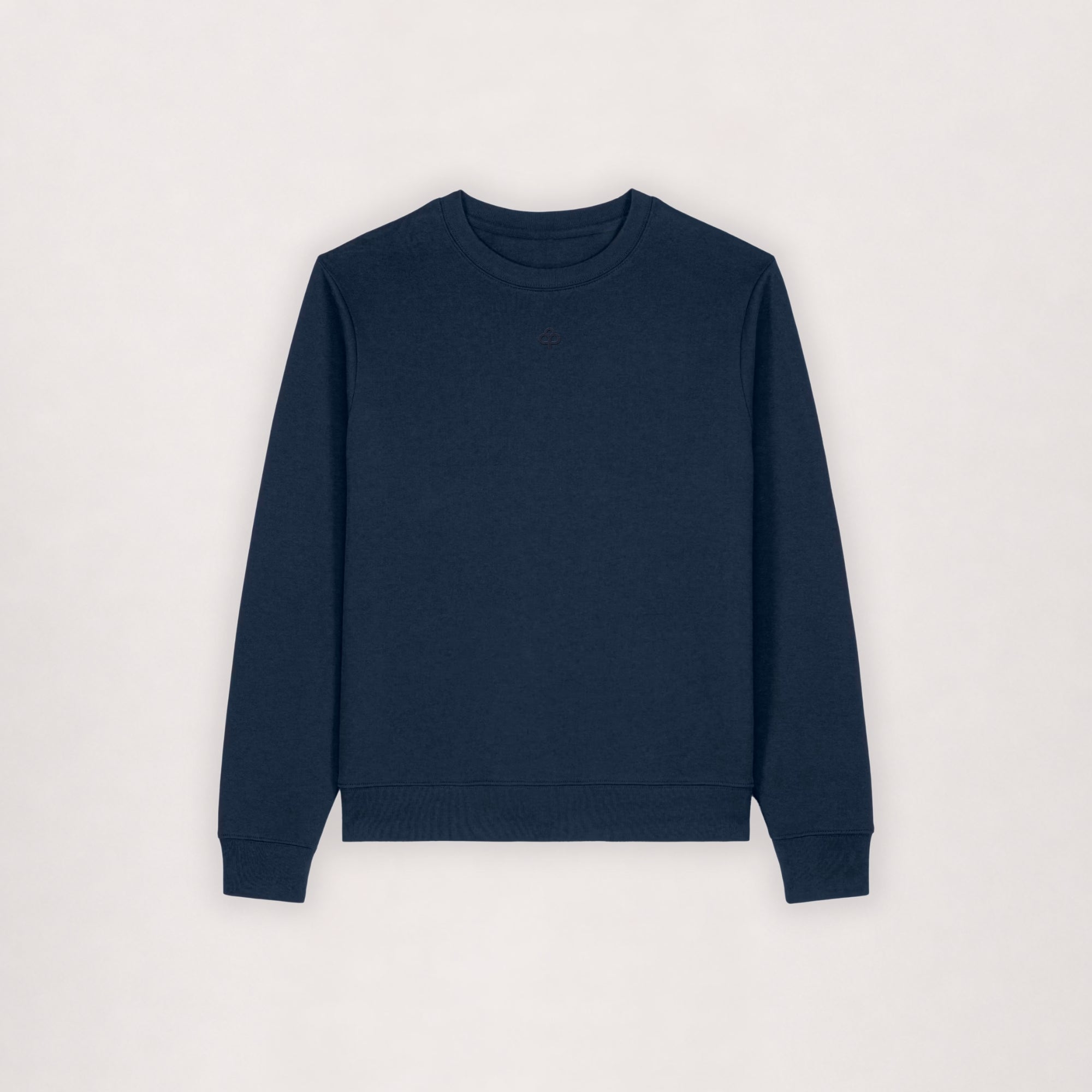
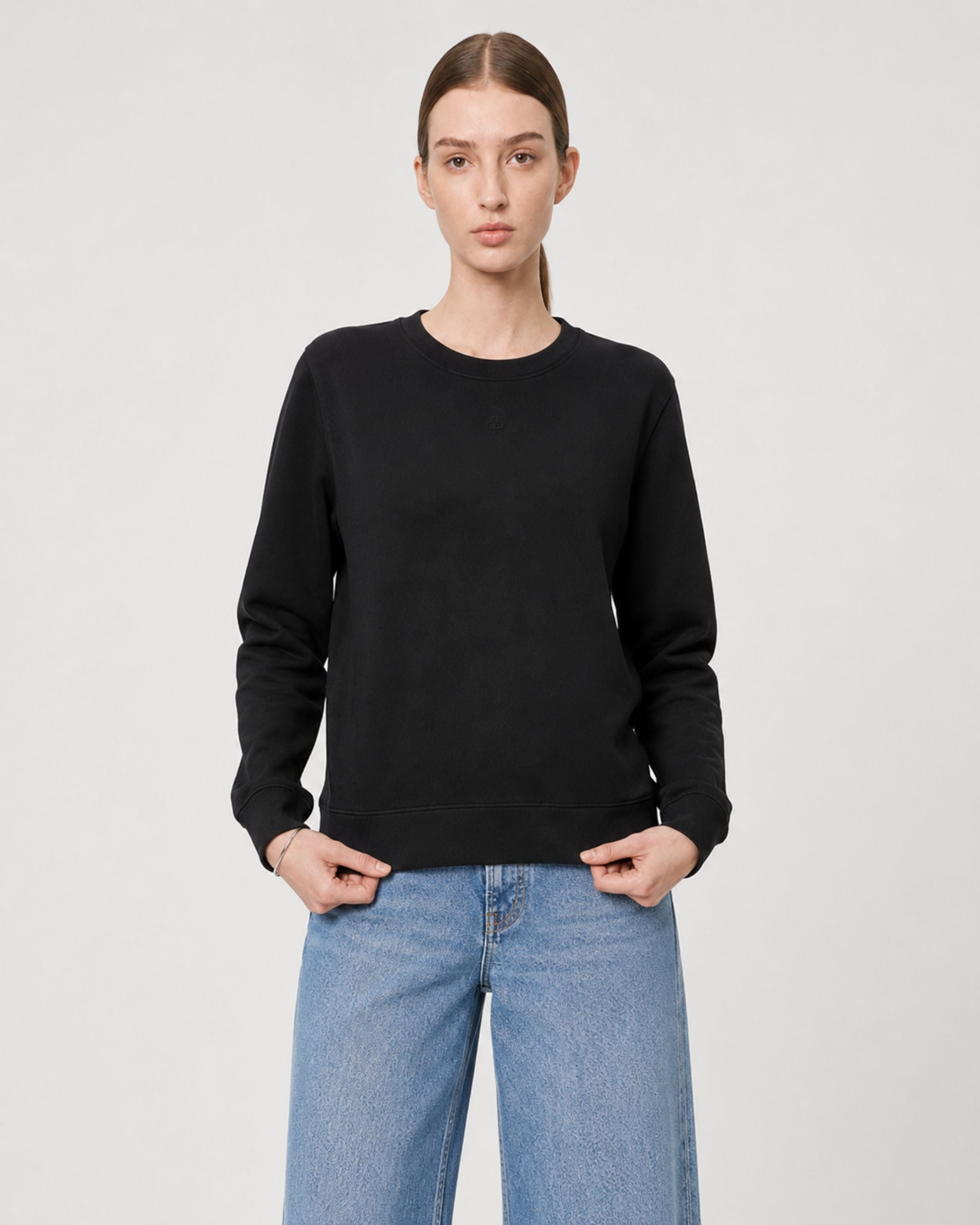
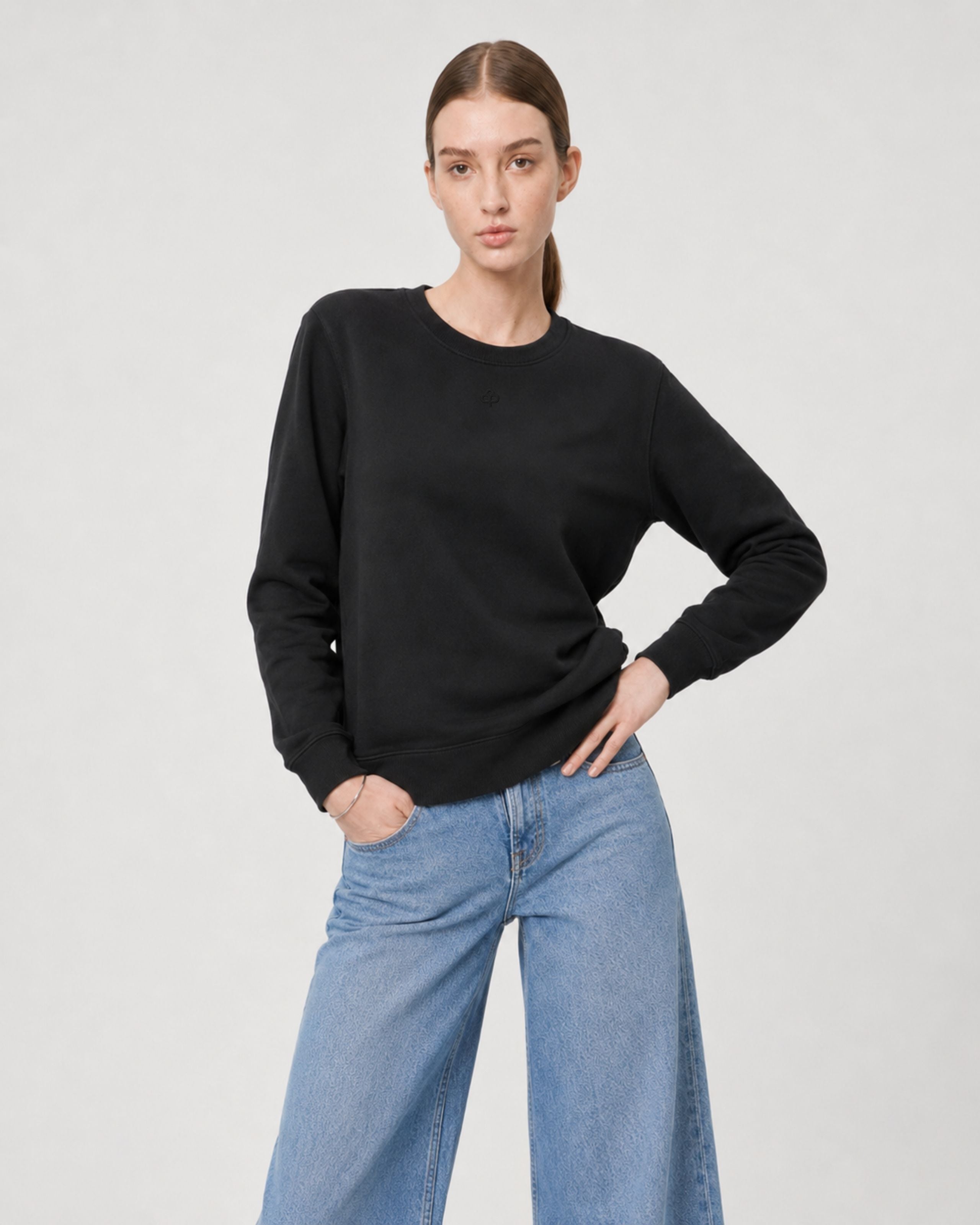
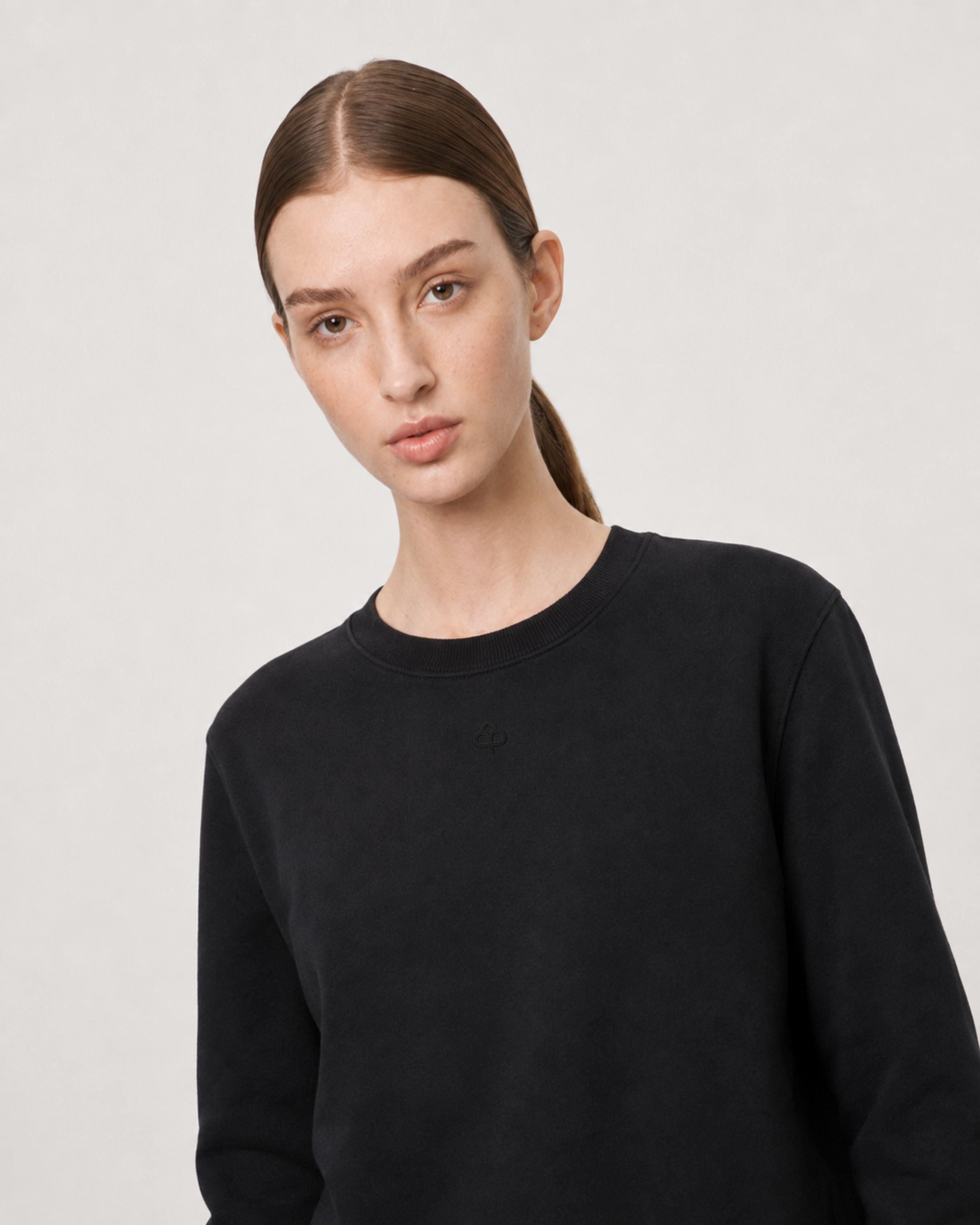
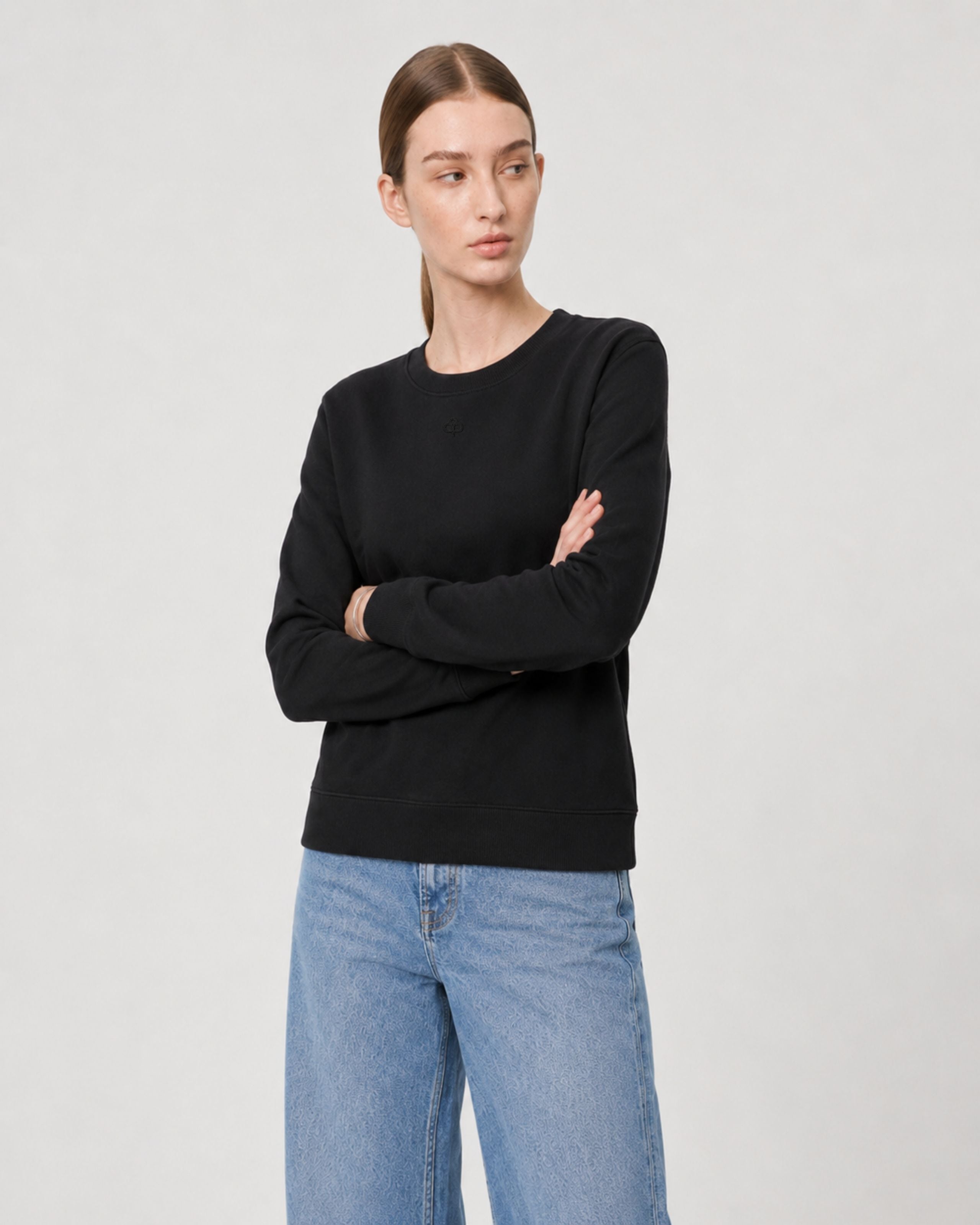
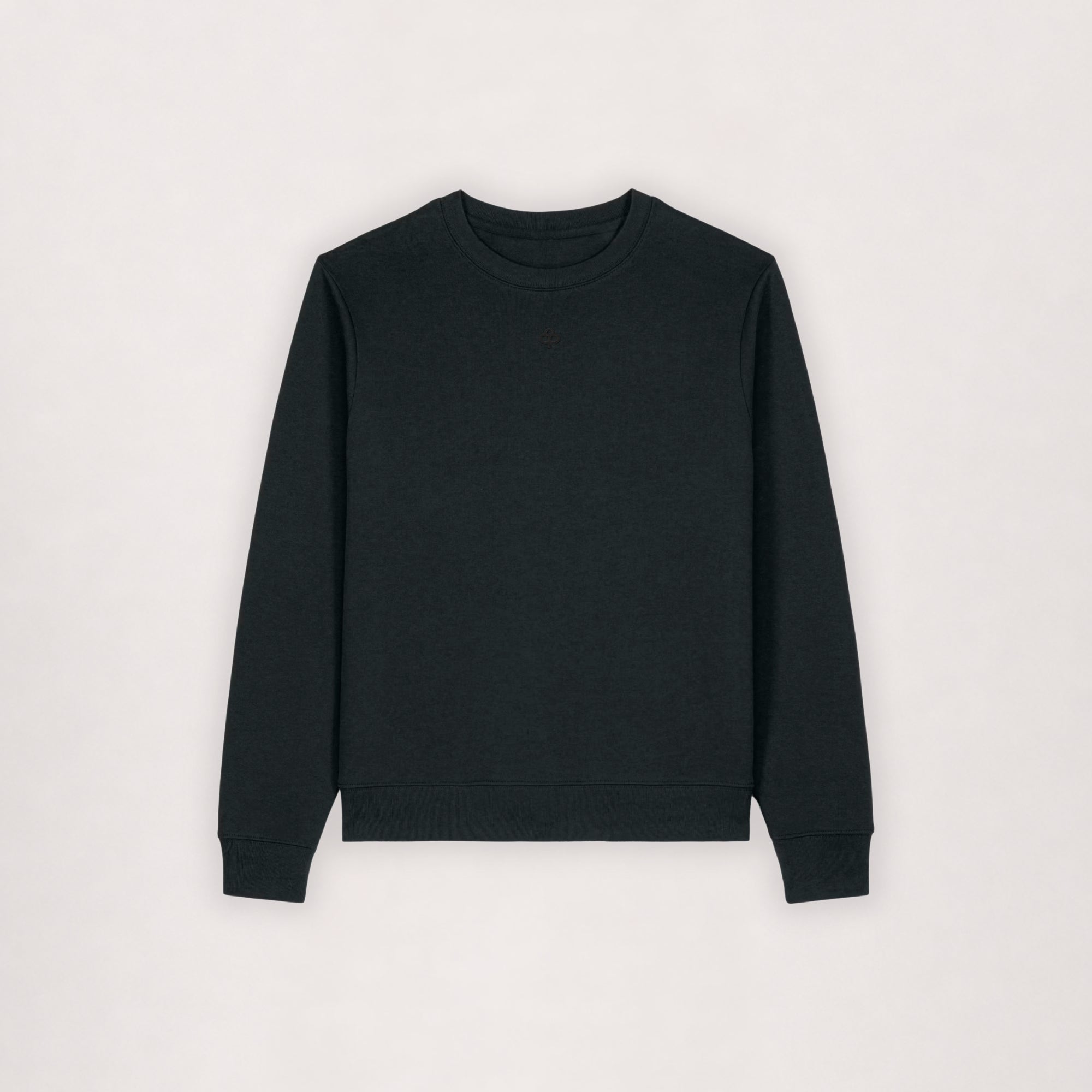
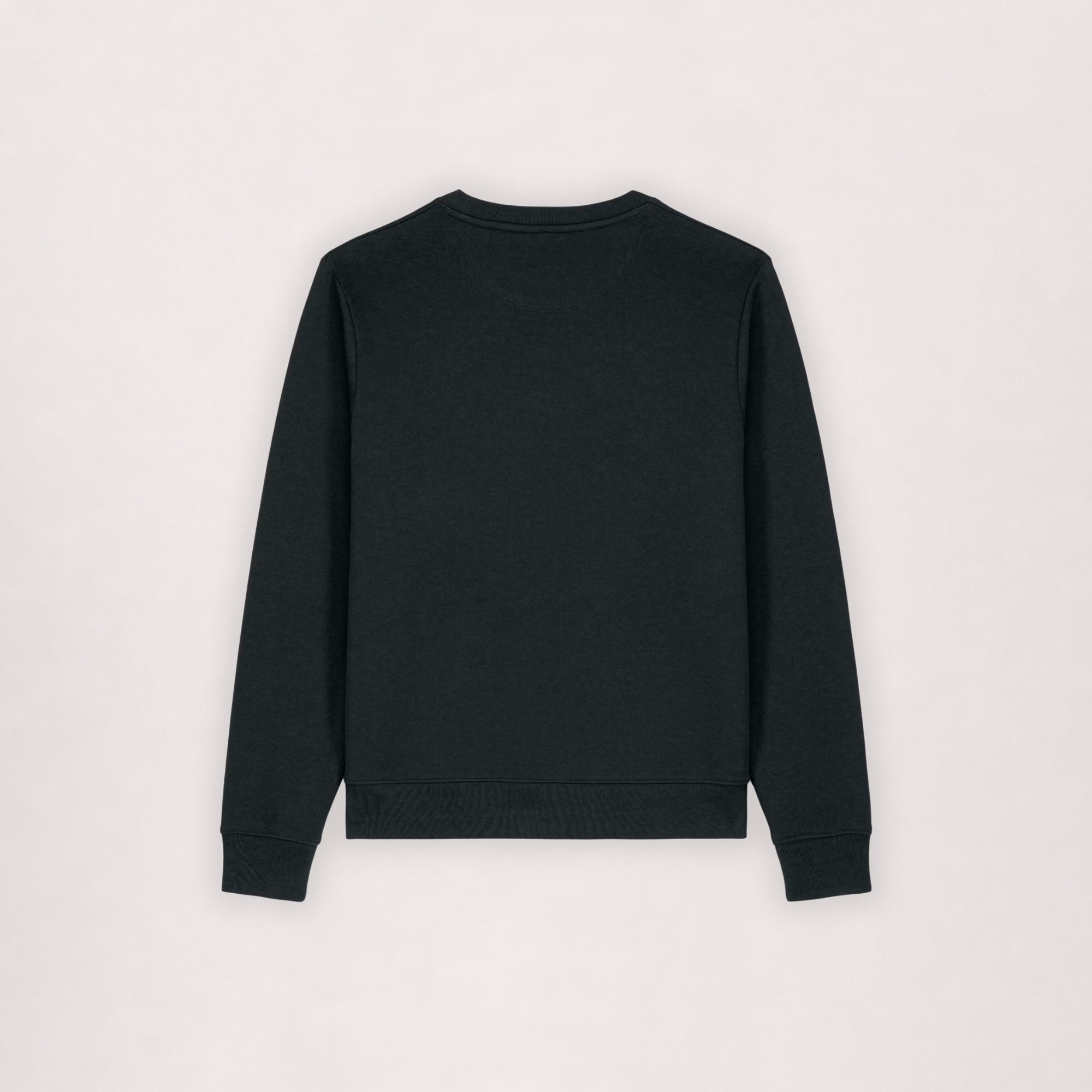
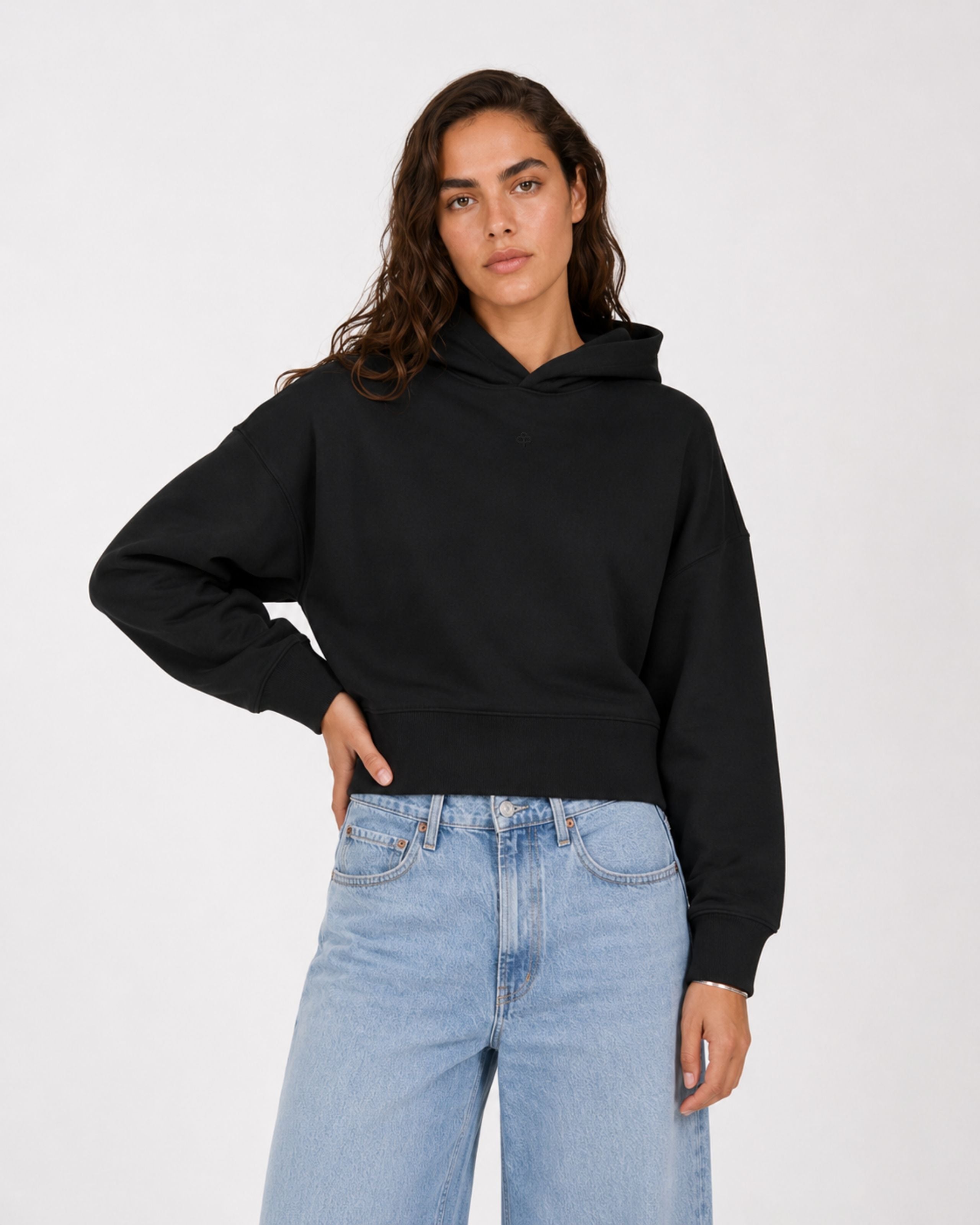
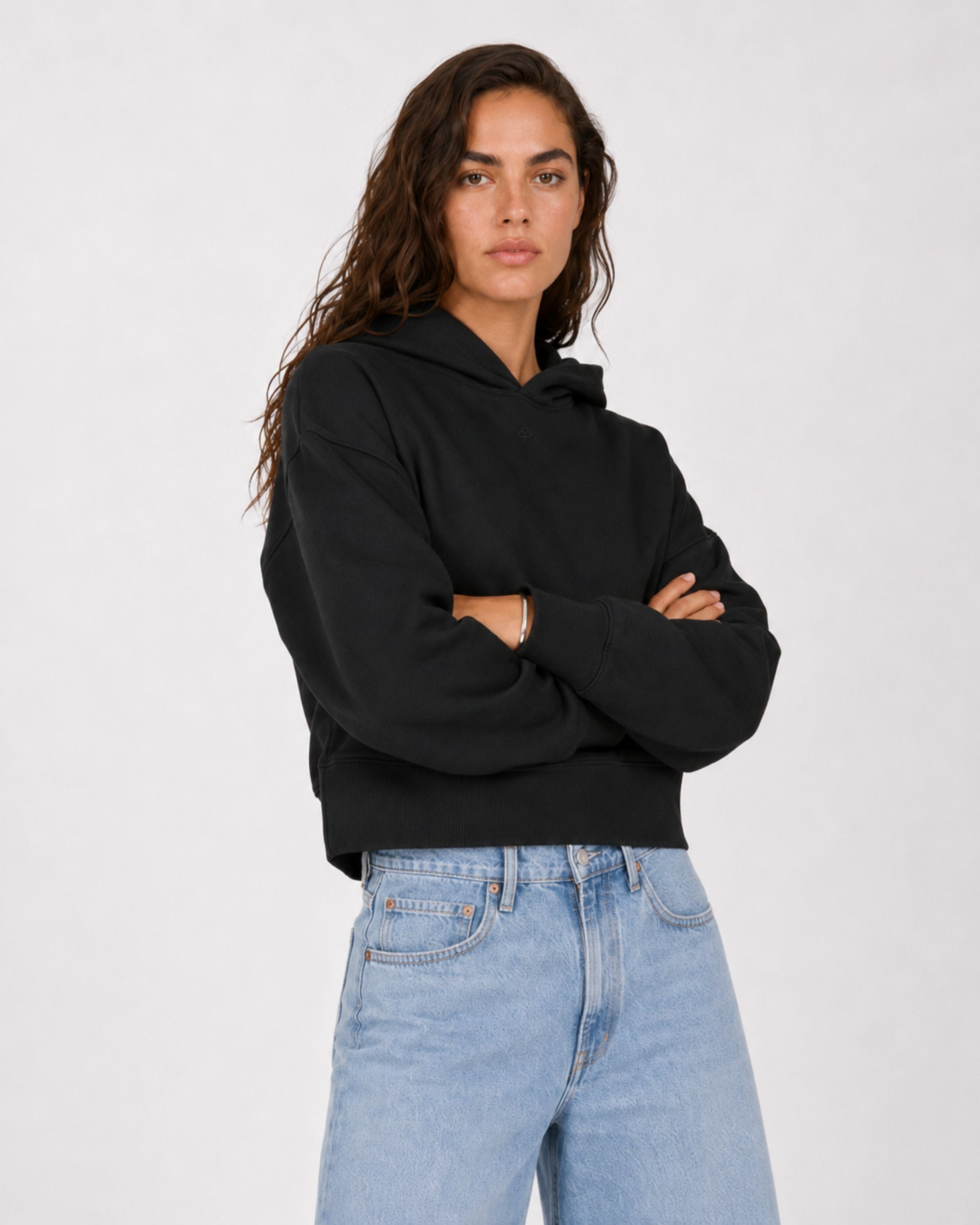
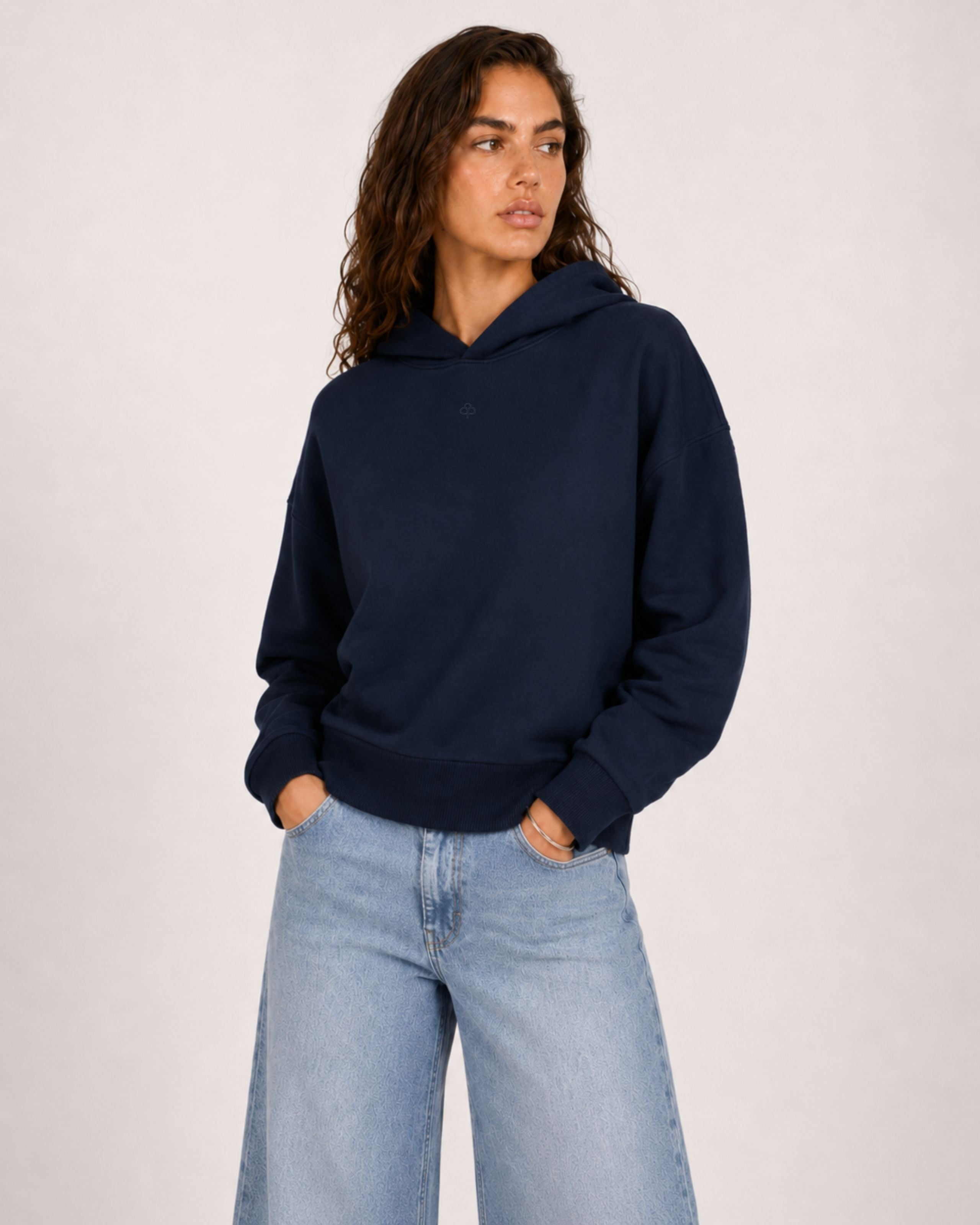
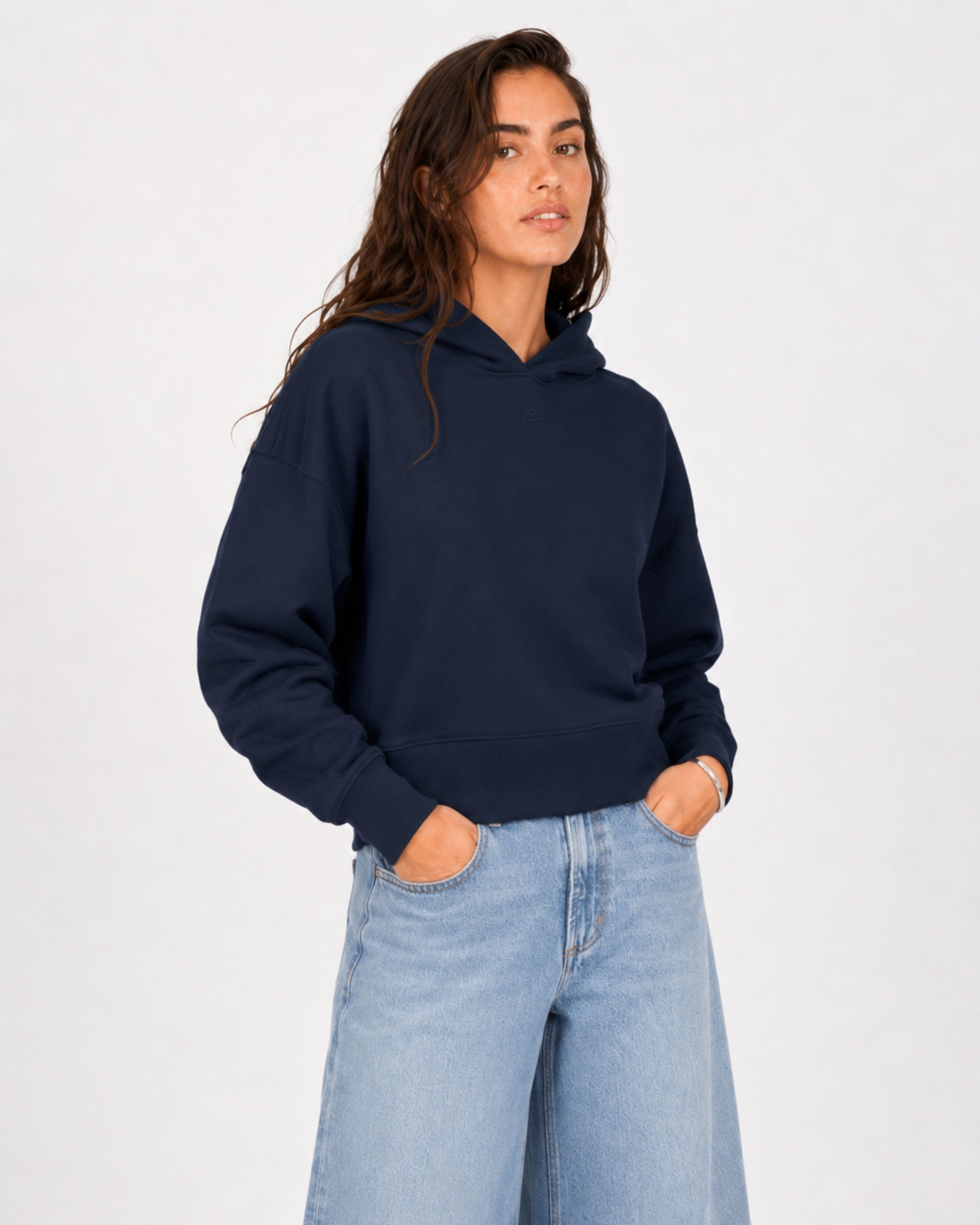
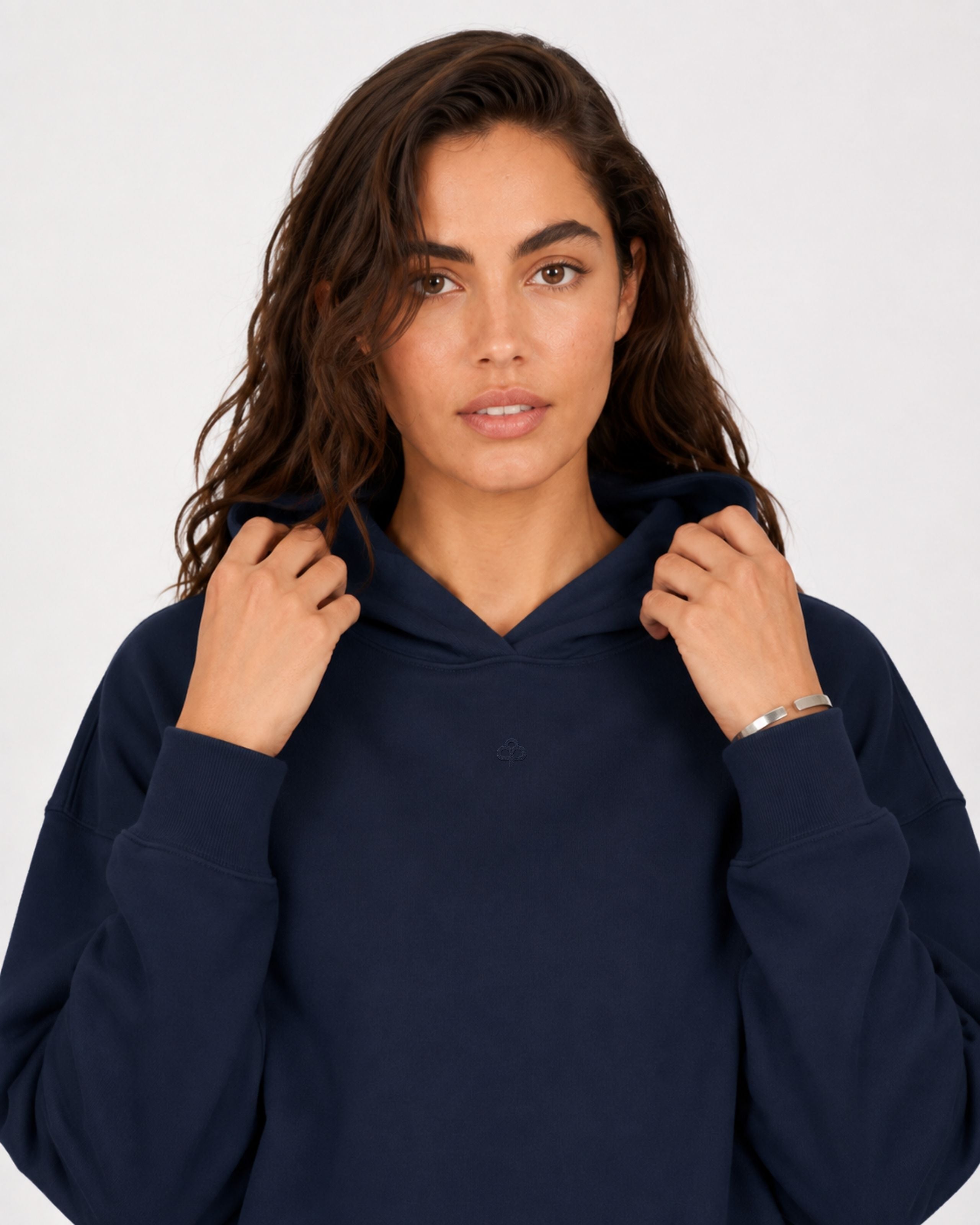
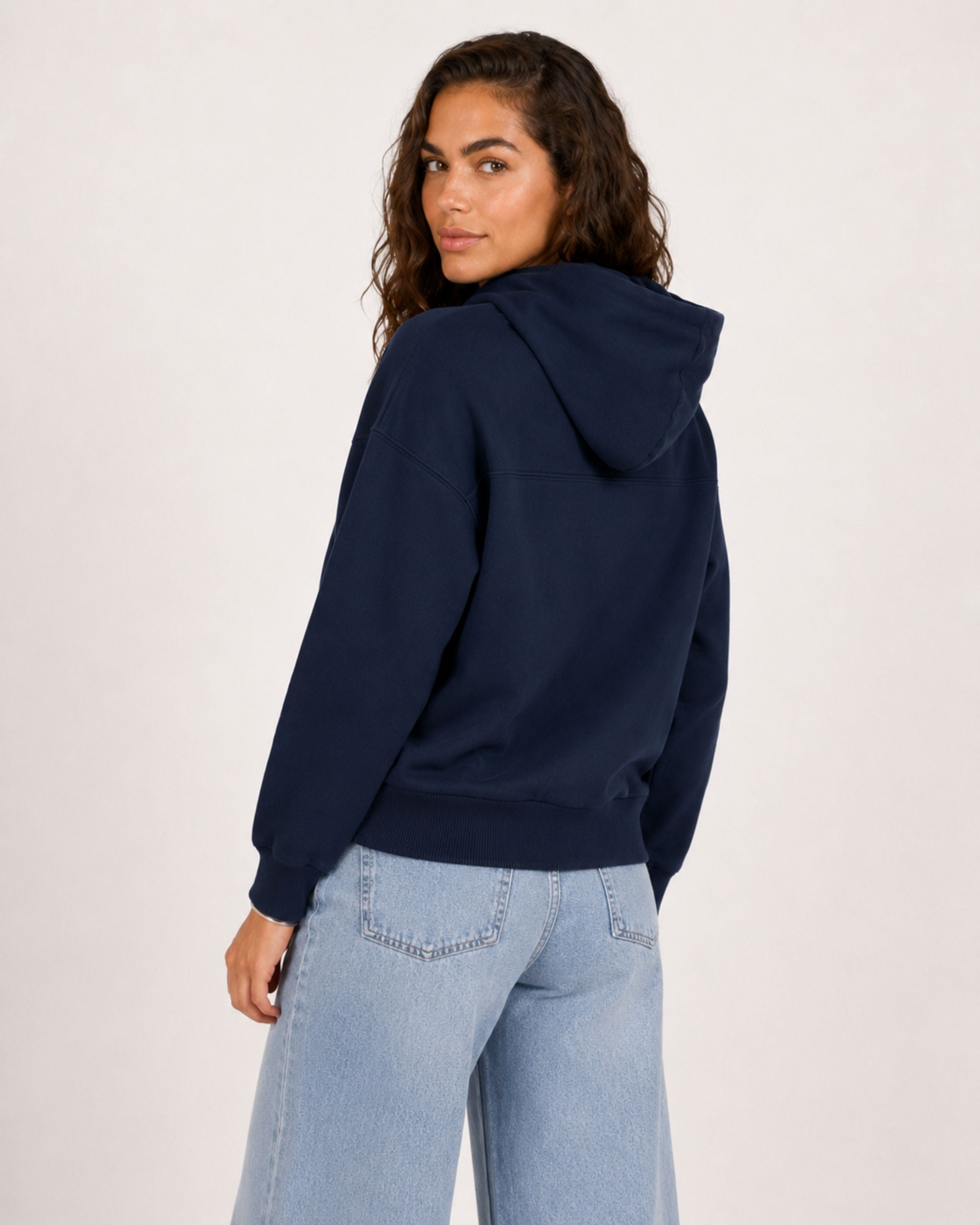
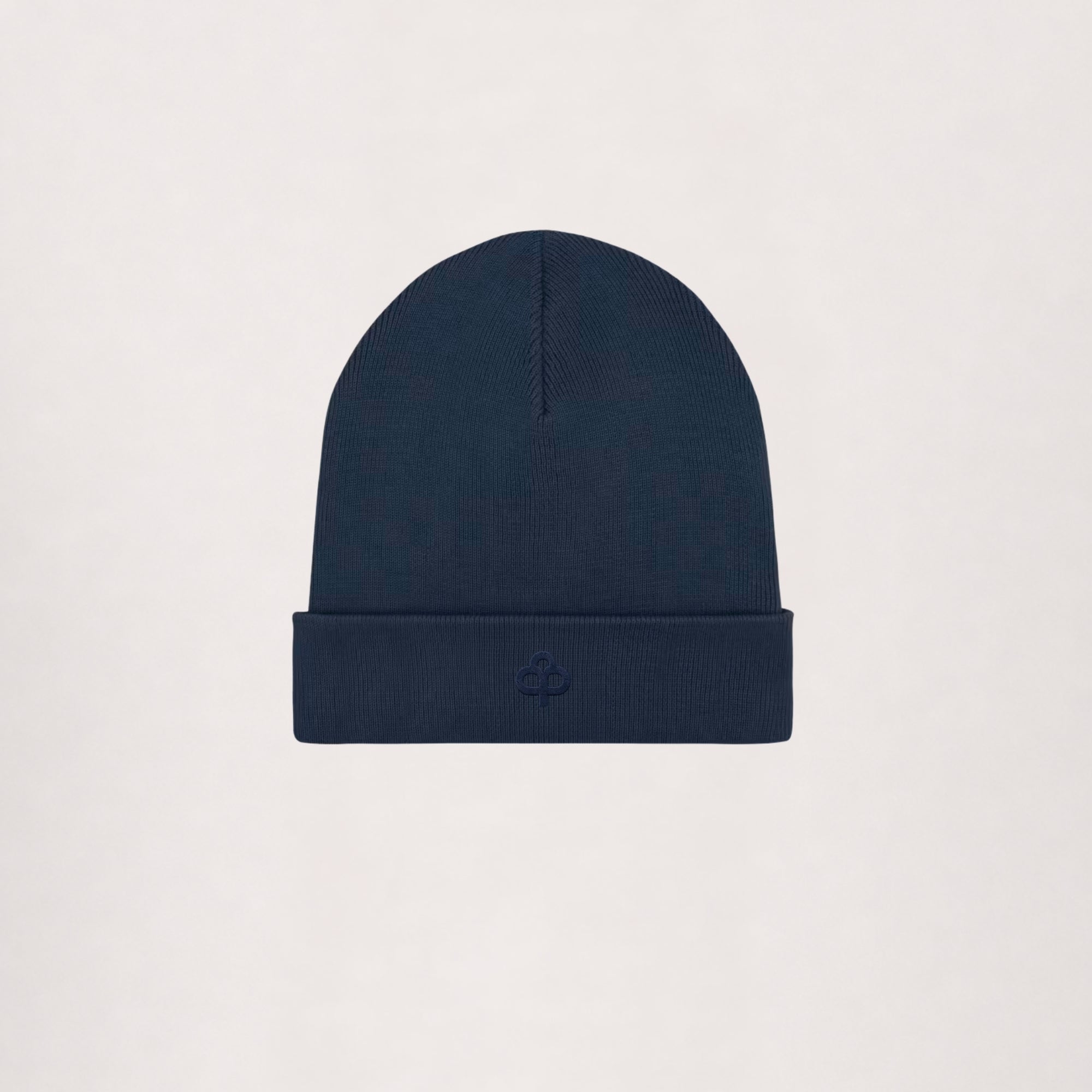
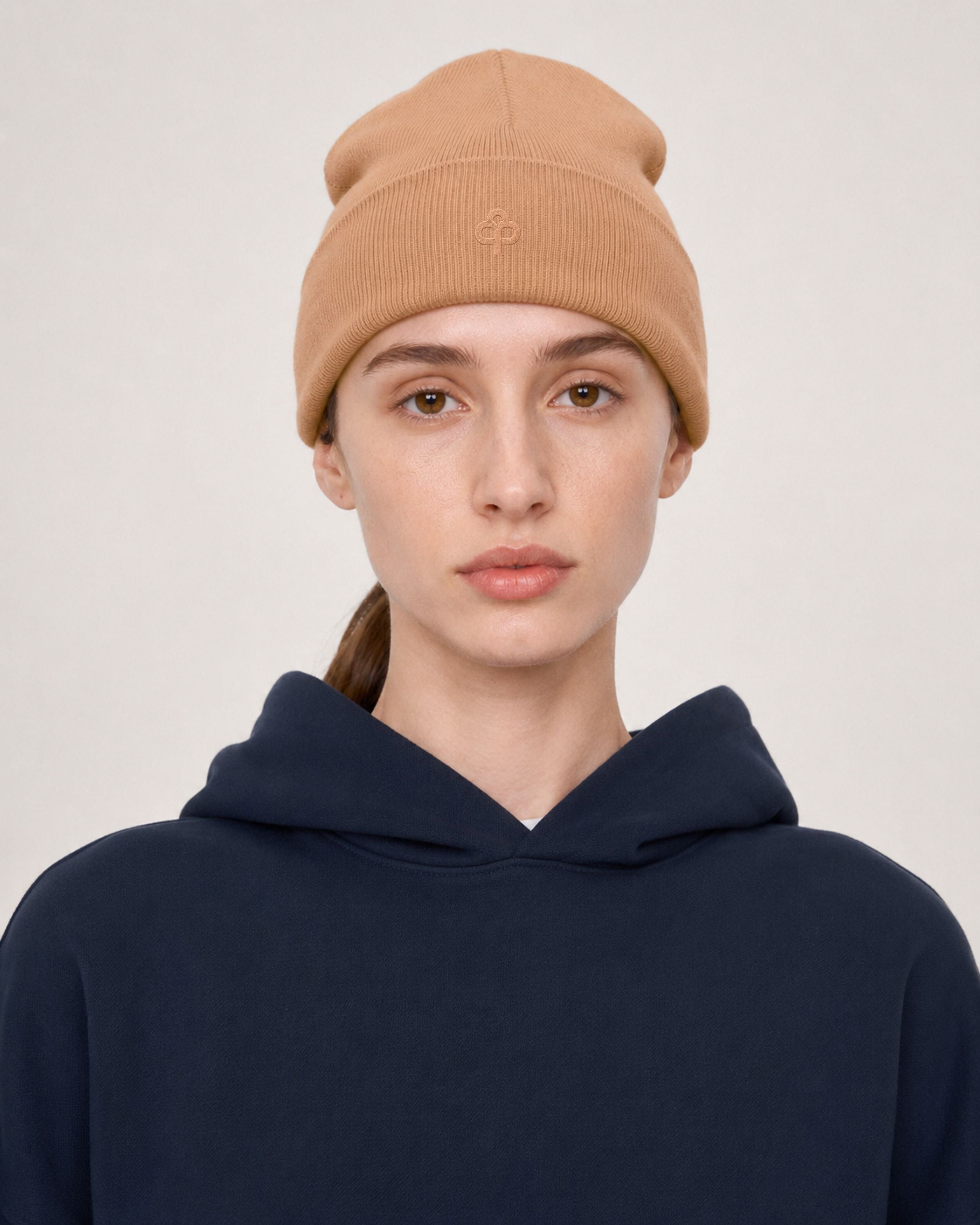
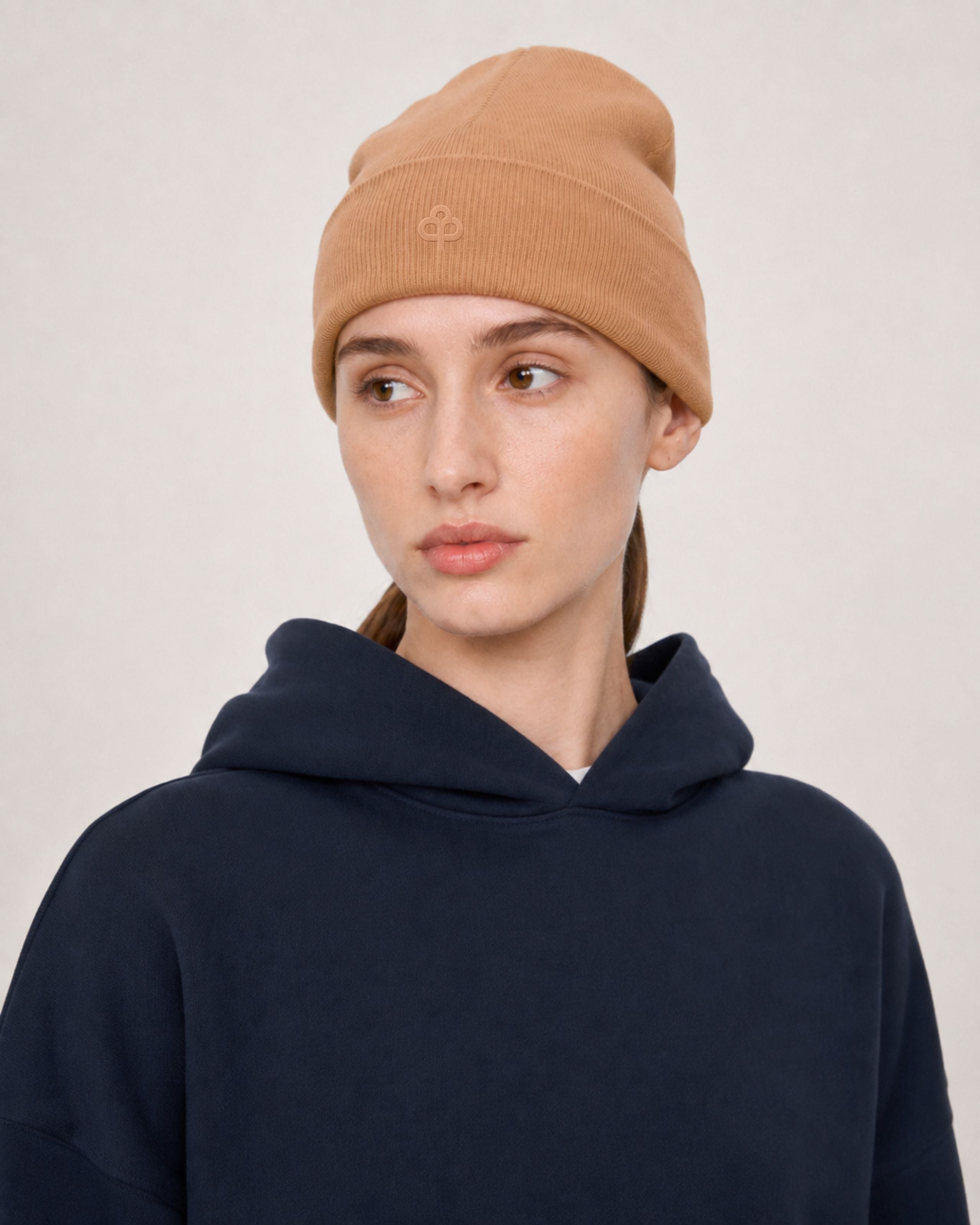
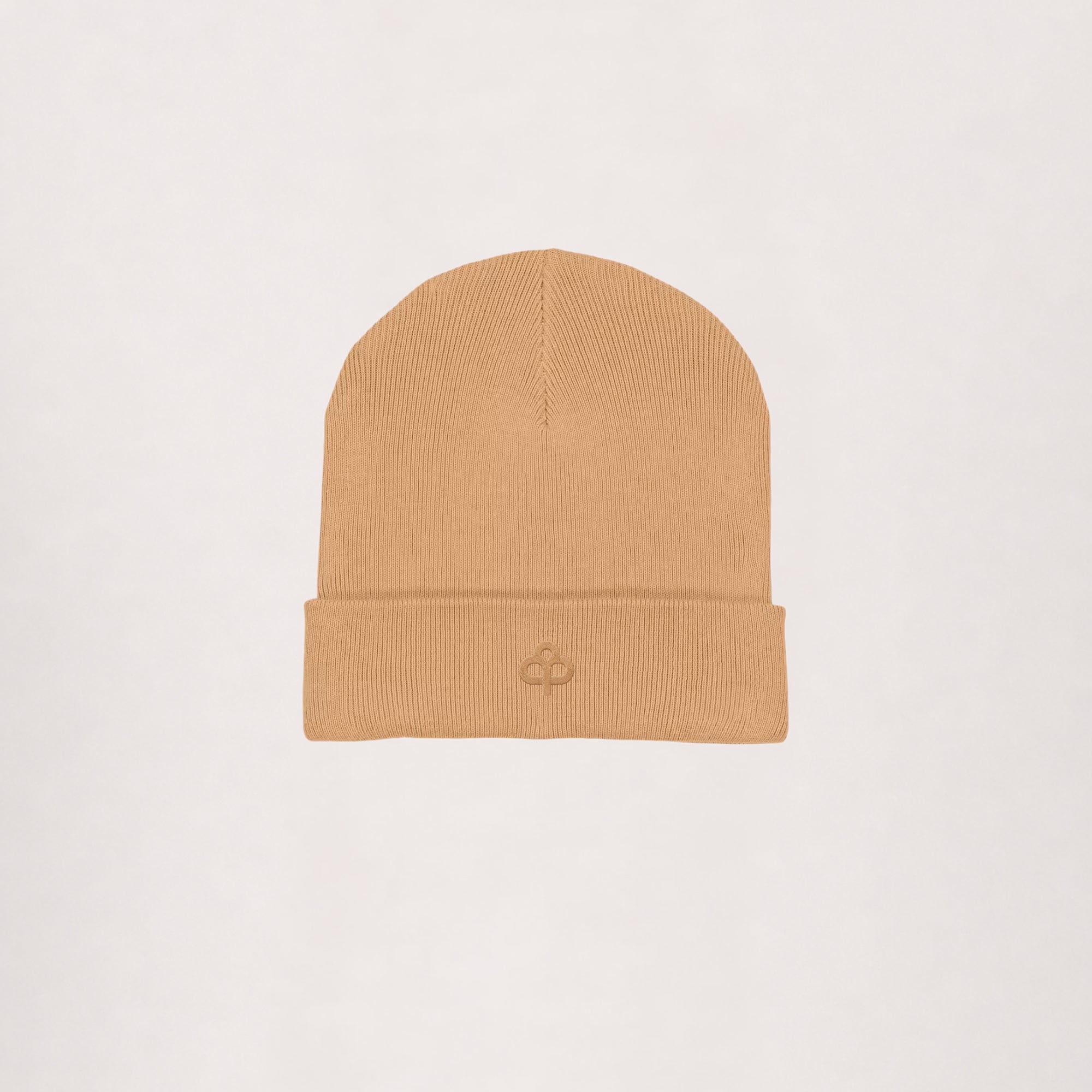
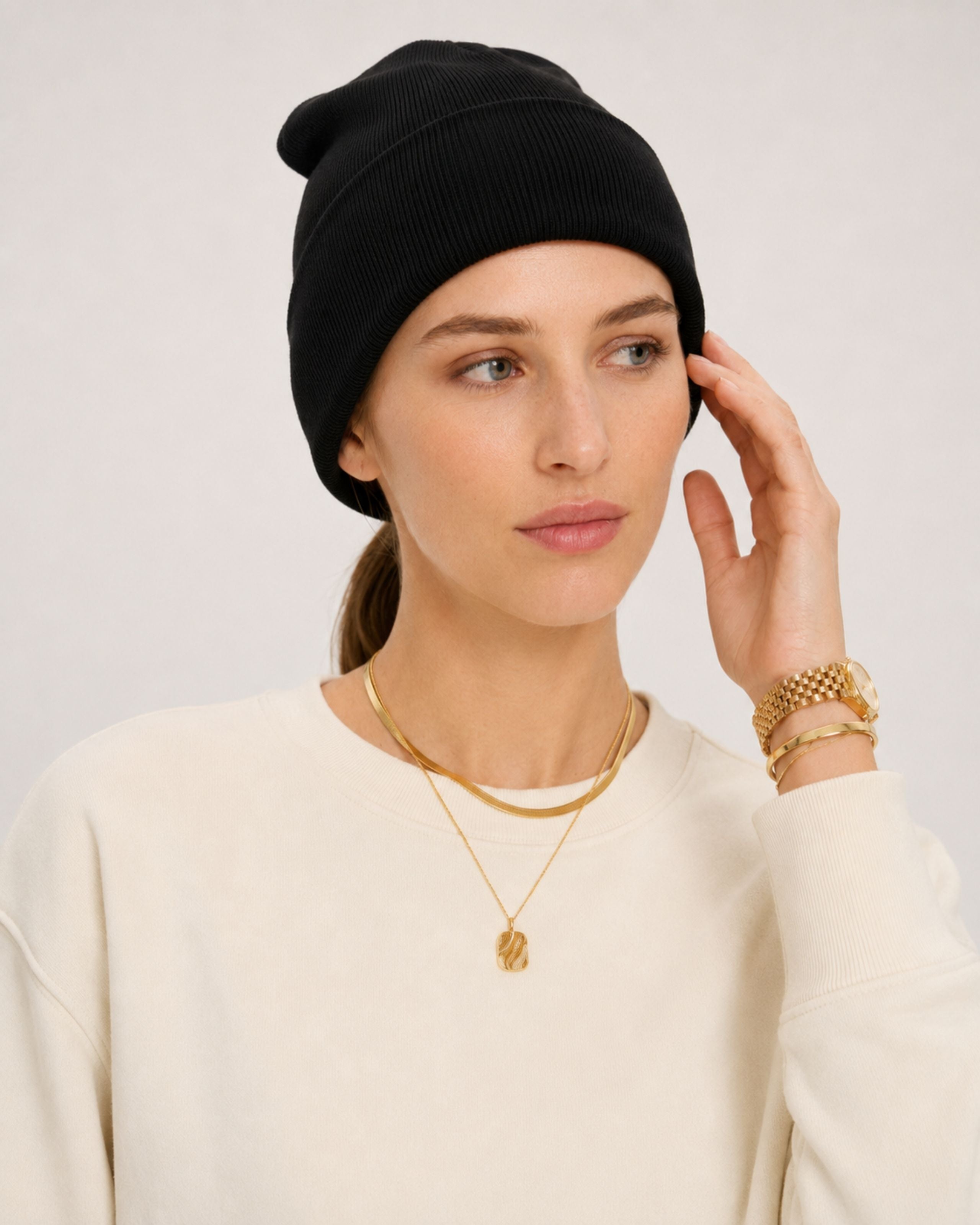
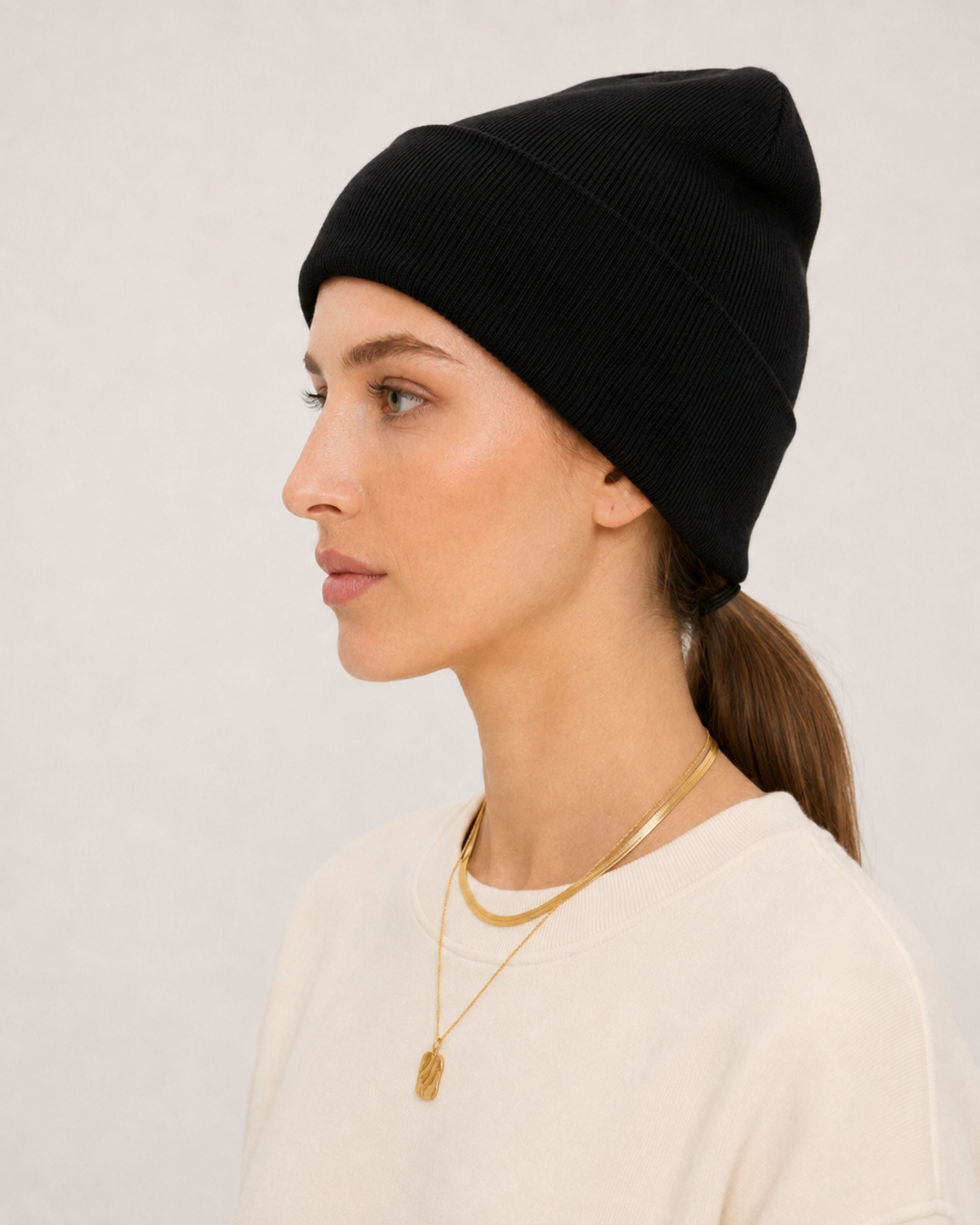
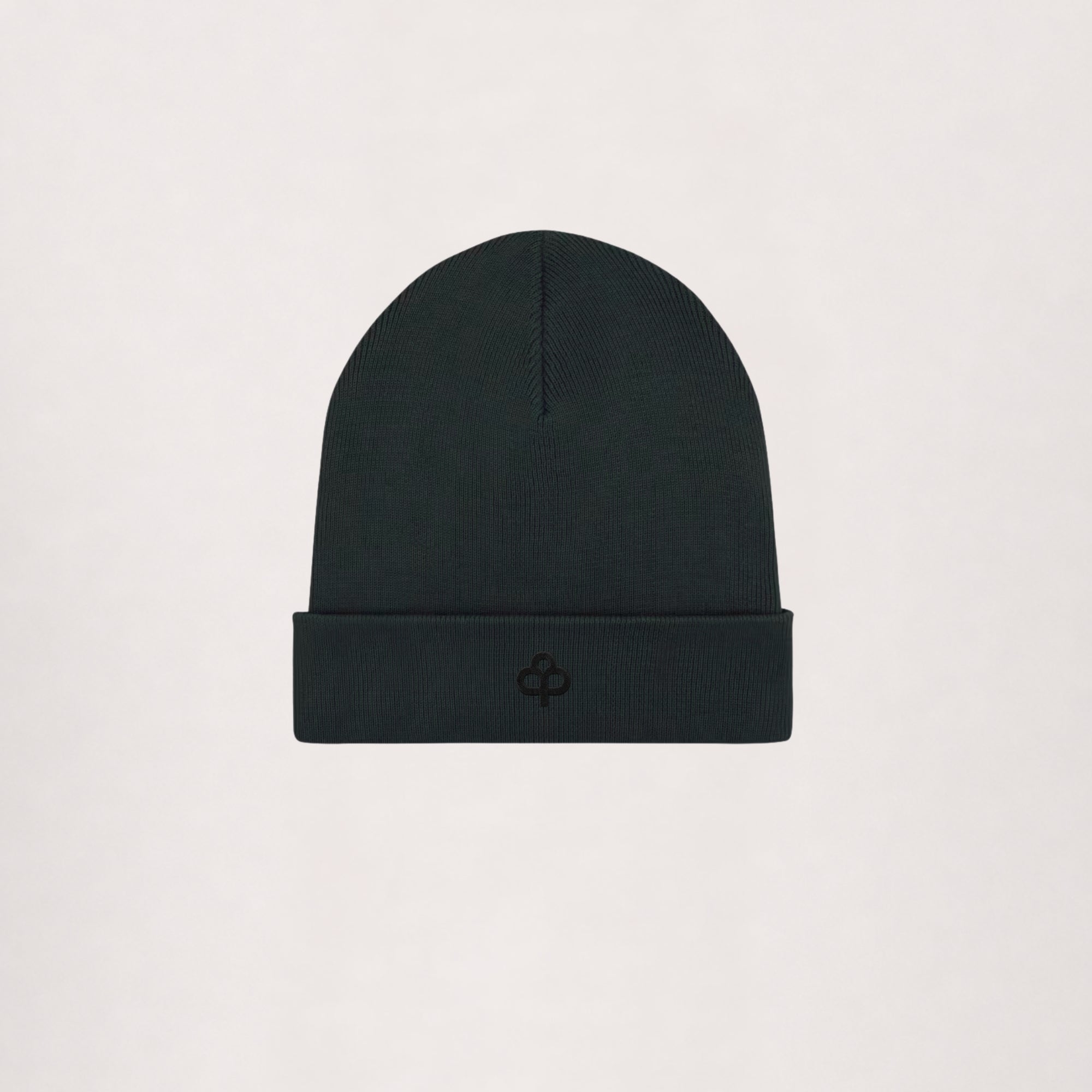
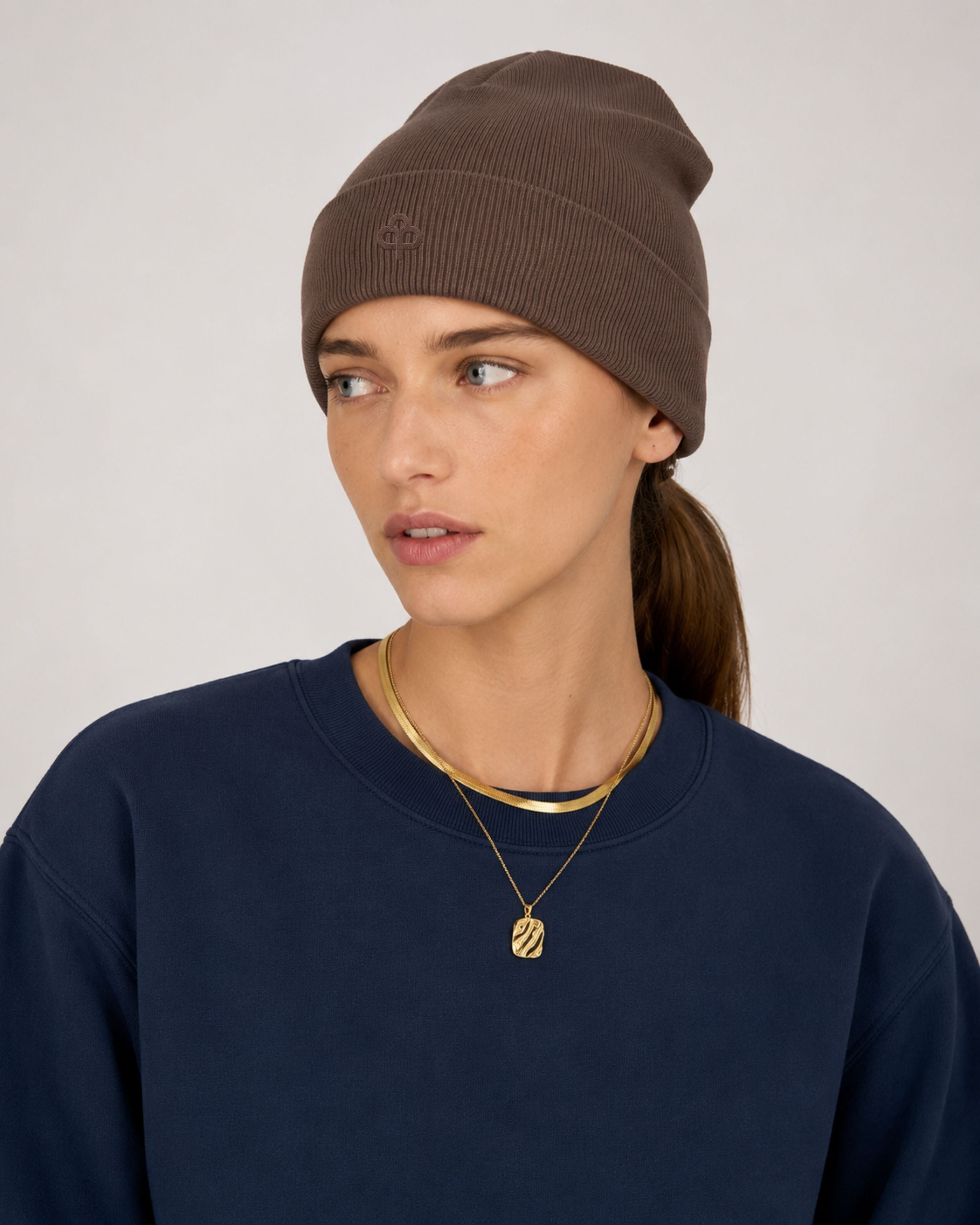
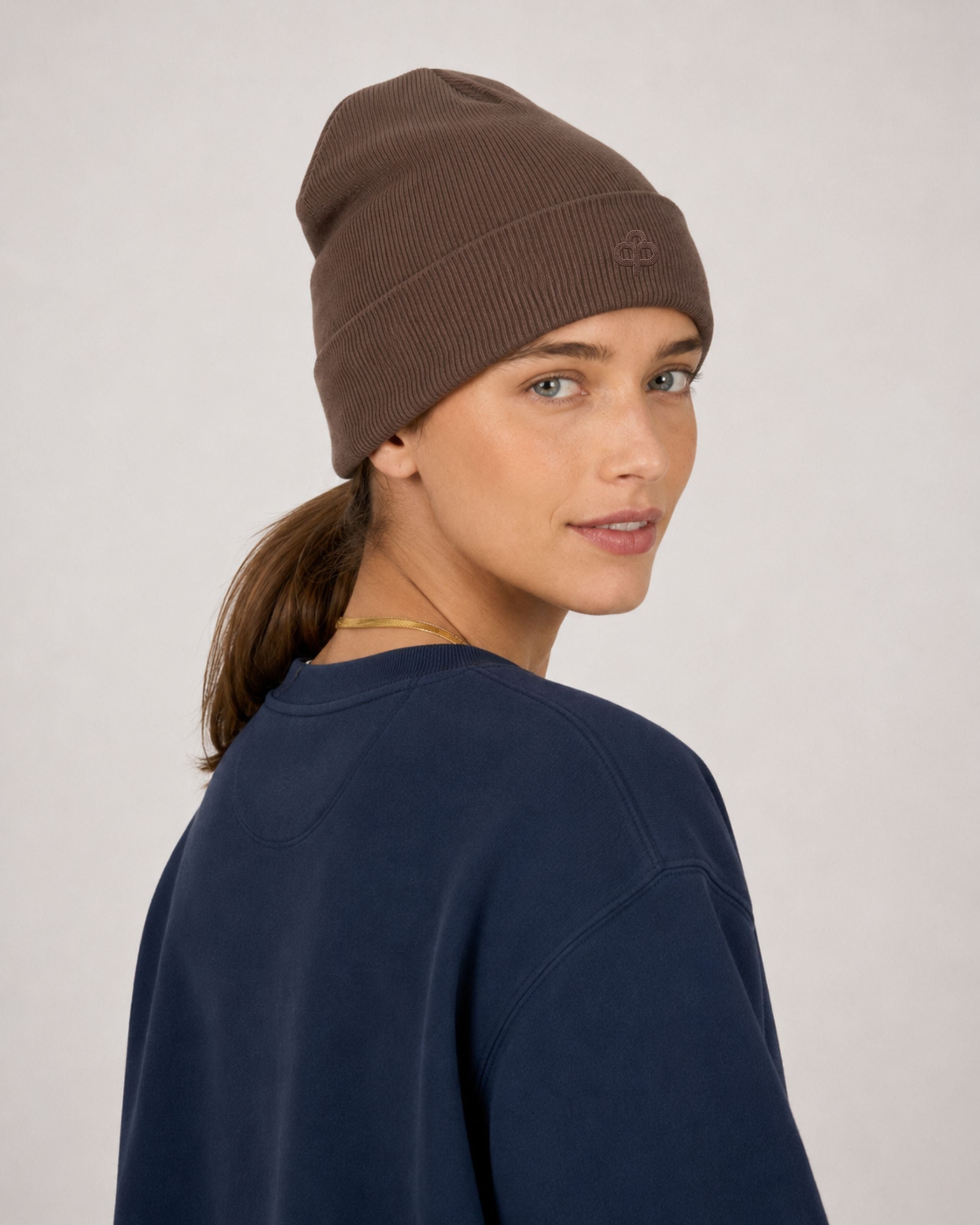
Een kijkje in onze lokale breiwerkproductie met Sompunt

Sompunt vormt sinds het begin de kern van Pamuuc-knitwear. Gevestigd in L'Espluga Calba, een klein stadje in Lleida, Catalonië, breien ze al meer dan 50 jaar, sinds 1969. Wat ze voor ons onvervangbaar maakt, is niet alleen de nabijheid van Barcelona, maar ook hun geïntegreerde structuur. Breien, verbinden, wassen, afwerken en kwaliteitscontrole gebeuren allemaal onder één dak, in hetzelfde gebouw.Dat betekent dat wanneer we een technische vraag stellen over hoe een garen zich zal gedragen na een specifiek wasprotocol, het antwoord komt van mensen die over de vloer kunnen lopen en de machines zelf kunnen controleren. Er is geen kloof tussen afdelingen, geen overdracht waarbij informatie verloren gaat. Dit is hoe de ethische productie van breigoed er voor ons uitziet: transparantie, verantwoordelijkheid en het vermogen om elke beslissing terug te voeren tot de bron.
Waarom breiwerk technisch anders is
De meeste mensen denken aan gebreide kleding op dezelfde manier als aan geweven kledingstukken. Je kiest een stof, knipt panelen, naait ze aan elkaar en je hebt een kledingstuk. Gebreide kleding werkt anders, en dat verschil is belangrijker dan je zou verwachten.
Bij breiwerk wordt elk paneel in vorm gebreid. Dat betekent dat voordat we ooit een enkele naad aan elkaar verbinden (samenvoegen), de afmetingen van elk stuk, het voorpaneel, de achterkant, elke mouw, worden bepaald door de breimachine zelf. De spanning van het garen terwijl het door de naalden gaat, de snelheid van de machine, de dikte (het aantal steken per centimeter), dit alles heeft invloed op de uiteindelijke breedte, lengte en hoe het stuk zich zal gedragen.
Een verandering van zelfs maar één klik op de machinespanning kan een borstomvang met een centimeter verschuiven. Dat klinkt klein totdat je een trui probeert te passen. De spanning heeft ook invloed op hoe het garen in de steek zit, waardoor het handgevoel van het breisel, de valling en het herstel na het wassen veranderen. Een rib, bijvoorbeeld een kraag of manchet, is zo ontworpen dat hij na het uitrekken en wassen weer een specifieke afmeting krijgt. Als de spanning verkeerd is, is het herstel uitgeschakeld.
Wasgedrag is een andere variabele die niet voorkomt in de snij- en naaiproductie. Verschillende gebreide structuren kunnen op verschillende manieren krimpen of ontspannen, afhankelijk van de watertemperatuur, de samenstelling van het wasmiddel en de manier waarop het kledingstuk wordt behandeld tijdens de wascyclus. Daarom wassen wij proefstukken vóór productie. Je kunt dit gedrag niet voorspellen op een spreadsheet. Je moet een staaltje breien, wassen en dan aanpassen.
Wie Sompunt is
Sompunt is een familiebedrijf dat al vijf decennia lang leert hoe je goed kunt breien. Ze bezetten een omgebouwde textielfabriek in L'Espluga Calba, ongeveer 90 kilometer ten westen van Barcelona, zo dichtbij dat we erheen kunnen rijden en binnen een paar uur monsters kunnen bekijken.
Wat hen onderscheidt is hun geïntegreerde model. Zij zijn eigenaar van de breimachines. Ze beschikken over een eigen verbindingsafdeling, waar panelen worden samengevoegd en losse eindjes worden vastgezet. Ze runnen hun eigen wasinstallatie, waar elke batch wordt behandeld volgens de behoeften van dat garen en de structuur. Ze hebben afwerkingspersoneel dat elk stuk perst en inspecteert, en een kwaliteitscontroleteam dat gedurende het hele proces is ingebed.
Omdat al deze fasen zich op één plek en onder één managementstructuur afspelen, worden problemen vroegtijdig opgespoord en tot de bron herleid. Als er een partij truien met onverwachte krimp uit de was komt, kan de wasploeg meteen met het breiteam praten over de spanning, met het verbindingsteam over hoe strak de naden zijn verbonden. Dat gesprek vindt in realtime plaats, en niet via e-mails die heen en weer worden gestuurd tussen onderaannemers. De feedbacklus is gesloten.
Garenselectie en maatbeslissingen
Voor onze winterbreisels gebruiken we extrafijne merinowol met een microntelling van minder dan 18 micron. Dat is een technische specificatie, maar die is van belang omdat deze bepaalt hoe het kledingstuk op de huid aanvoelt. Grovere wol, alles boven de 25 micron, kan krassend aanvoelen. Extrafine Merino is zo zacht dat veel mensen het direct kunnen dragen zonder een laag eronder.
Maar zachtheid is niet de enige reden dat we voor extrafine hebben gekozen. De vezel houdt ook prachtig de kleur vast en heeft een uitstekende maatvastheid, wat betekent dat het kledingstuk zijn vorm na was behoudt.
Nadat we het garen hebben geselecteerd, kiezen we samen met Sompunt de dikte, de dichtheid van de steken, gemeten in steken per centimeter. Een strakkere dikte zorgt voor een dichtere, substantiëlere stof; een lossere maat creëert iets meer open en draperie. De diktes van Sompunt zijn gekozen om het breiwerk body en structuur te geven, terwijl het licht en ademend blijft. Deze beslissingen worden gezamenlijk genomen, op basis van hun 50 jaar institutionele kennis over hoe specifieke garencategorieën zich gedragen in de productie.
Hoe een Pamuuc-breisel wordt ontwikkeld, van staal tot productie
Ons ontwikkelingsproces voor elk nieuw breisel volgt dezelfde stappen. Het gaat langzaam, en met opzet.
Stalen en testen: We beginnen met een staal: een klein proefmonster gebreid in het garen en de structuur die we overwegen. Dit staal wordt gewassen en vervolgens voor en na gemeten. We kijken hoeveel het krimpt, hoe de textuur verandert en of de kleur dieper of vervaagt. Deze stap is essentieel. Het is de enige manier om te weten of onze aannames over een garen kloppen.
Pilot- en fitbeoordeling: Zodra het staal goed is, gaan we over op een proefbatch, meestal vijf tot tien stuks in één maat, gebreid op de productiemachines met de instellingen die gepland zijn voor de volledige oplage. We wassen ze met hetzelfde protocol dat we later zullen gebruiken, daarna dragen we ze en vragen om fit-feedback van verschillende lichaamsvormen. Voelt de lengte goed? Zitten de mouwen waar ze moeten zitten? Is de lichaamsbreedte comfortabel? Als er in dit stadium iets mis is, repareren we dit voordat we overgaan tot productie.
Productie- en kwaliteitscontrole: Zodra de pilot voorbij is, gaan we over naar de productie. Elk stuk wordt volgens dezelfde precieze specificaties gebreid, op dezelfde manier gewassen en met de hand geïnspecteerd voordat het wordt verzonden. Het kwaliteitscontroleteam van Sompunt controleert op consistentie in afmetingen, spanningsproblemen en eventuele onregelmatigheden in de breistructuur. Elk stuk dat buiten de norm valt, wordt teruggestuurd om te worden gerepareerd of, als het niet kan worden gerepareerd, uit de batch verwijderd.
Wat het lokaal houden van de productie mogelijk maakt
Afstand is duur in modetoeleveringsketens. Als een fabriek aan de andere kant van de wereld staat, wordt elk probleem een crisis. Het duurt dagen om een vraag over garengedrag te beantwoorden. Als er tijdens de pilotproductie een probleem met de pasvorm wordt ontdekt, kan dit betekenen dat je weken moet wachten op herziene monsters.
Omdat Sompunt 90 kilometer verderop ligt, kunnen we 's ochtends op bezoek komen en 's middags antwoorden hebben. Als een pilotbatch een probleem heeft, een mouwlengte die een centimeter afwijkt, een wasprotocol dat moet worden aangepast, kunnen we dit voor de volgende run repareren en nog steeds in de productieperiode zitten. Deze nabijheid stelt ons in staat nauwkeurig te zijn op manieren die productie op afstand niet kan ondersteunen. Het betekent ook dat iedereen die betrokken is bij het maken van een Pamuuc-breisel begrijpt dat ze iets maken voor een specifieke klant, en niet een generiek product voor een ver merk. Dat bewustzijn zie je terug in het werk.
Waar wij nog mee bezig zijn
We beweren niet dat we elk probleem in de ethische productie van gebreide kleding hebben opgelost. Traceerbaarheid van het garenniveau is iets waar we actief naar streven. We kennen de specificaties van het merinogaren dat we gebruiken, en we bouwen aan diepere relaties met garenleveranciers om een groter deel van het traject vanaf de oorsprong van de vezels tot de uiteindelijke garenconstructie te documenteren.
Het afwerken van de chemie is een ander gebied. Wanneer kledingstukken worden afgewerkt, gewassen, geperst en behandeld om bepaalde eigenschappen te verbeteren, worden verschillende chemicaliën gebruikt. We documenteren deze processen tot in detail en zoeken naar manieren om het gebruik van chemicaliën te verminderen zonder de kwaliteit van de kleding in gevaar te brengen.
Verpakking is de derde. Onze verpakkingen zijn recyclebaar en minimaal, maar we onderzoeken alternatieven die de impact op het milieu verder zouden verminderen. Dit zijn gesprekken die wij naast ons voeren met Sompunt.
Als je meer wilt weten over hoe wij denken over garen en verzorging, lees dan dit artikel onze merinogaren- en verzorgingsgids. Voor een vollediger beeld van waar we vandaan komen en hoe we werken, ga naar onze transparantiepagina.
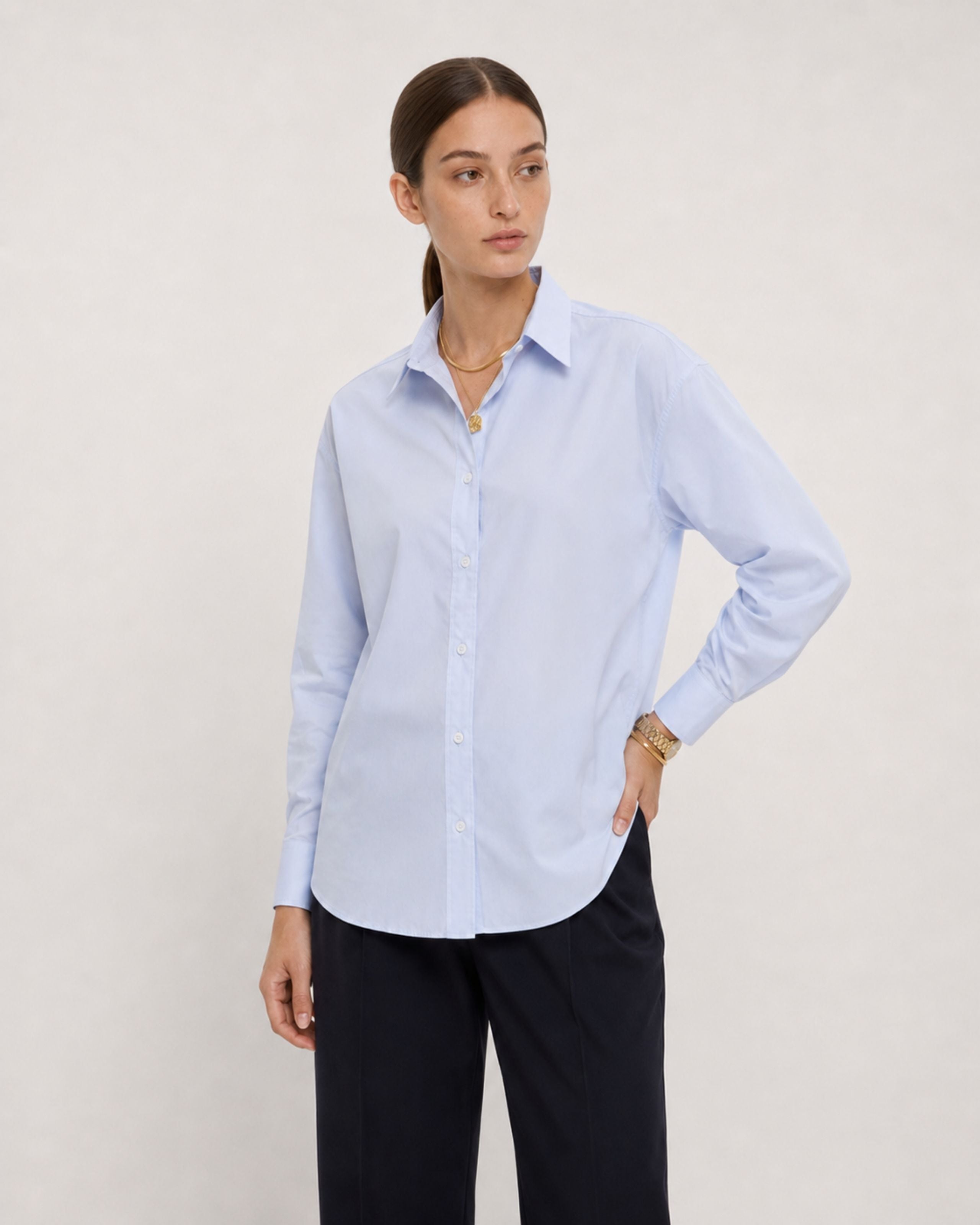
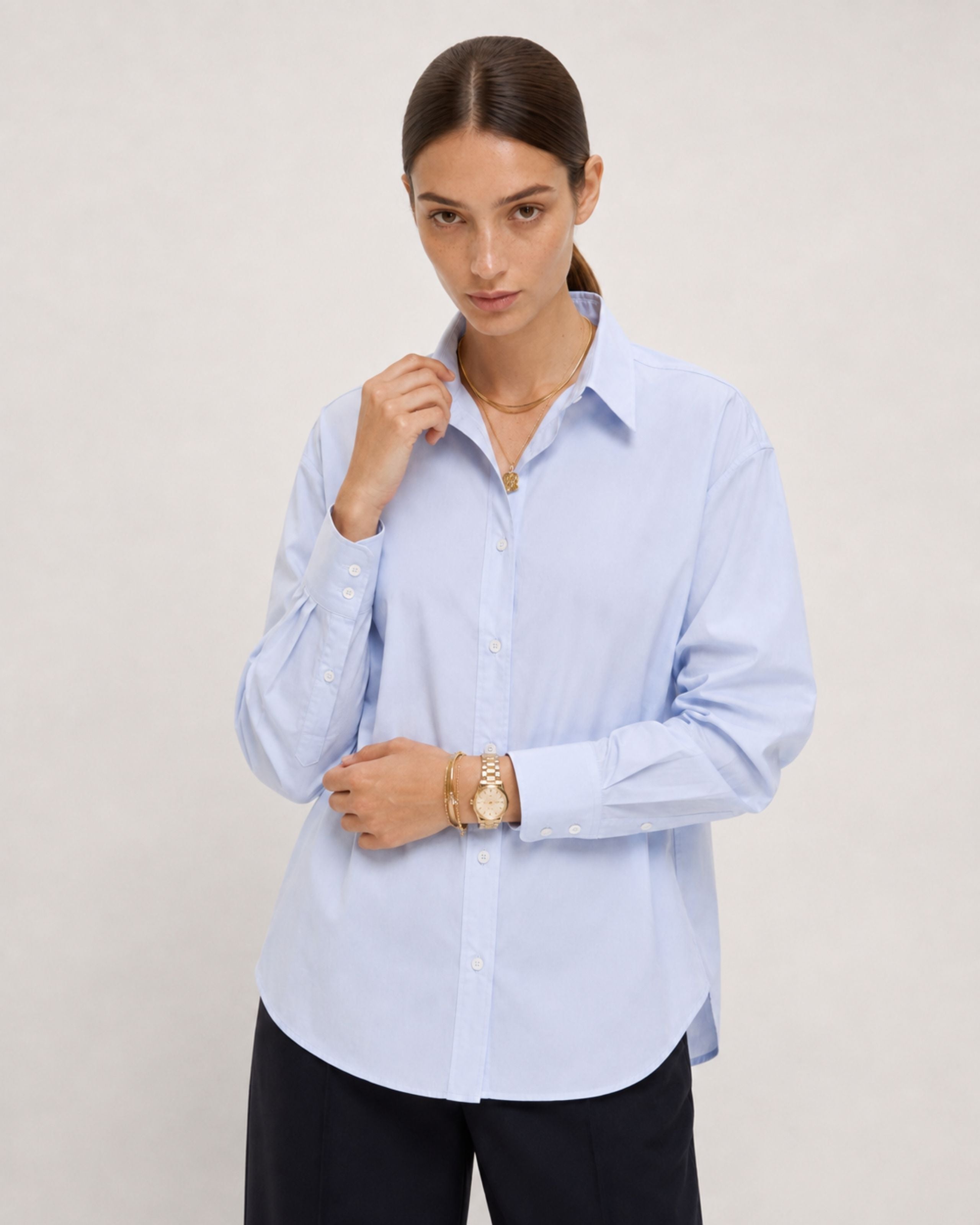
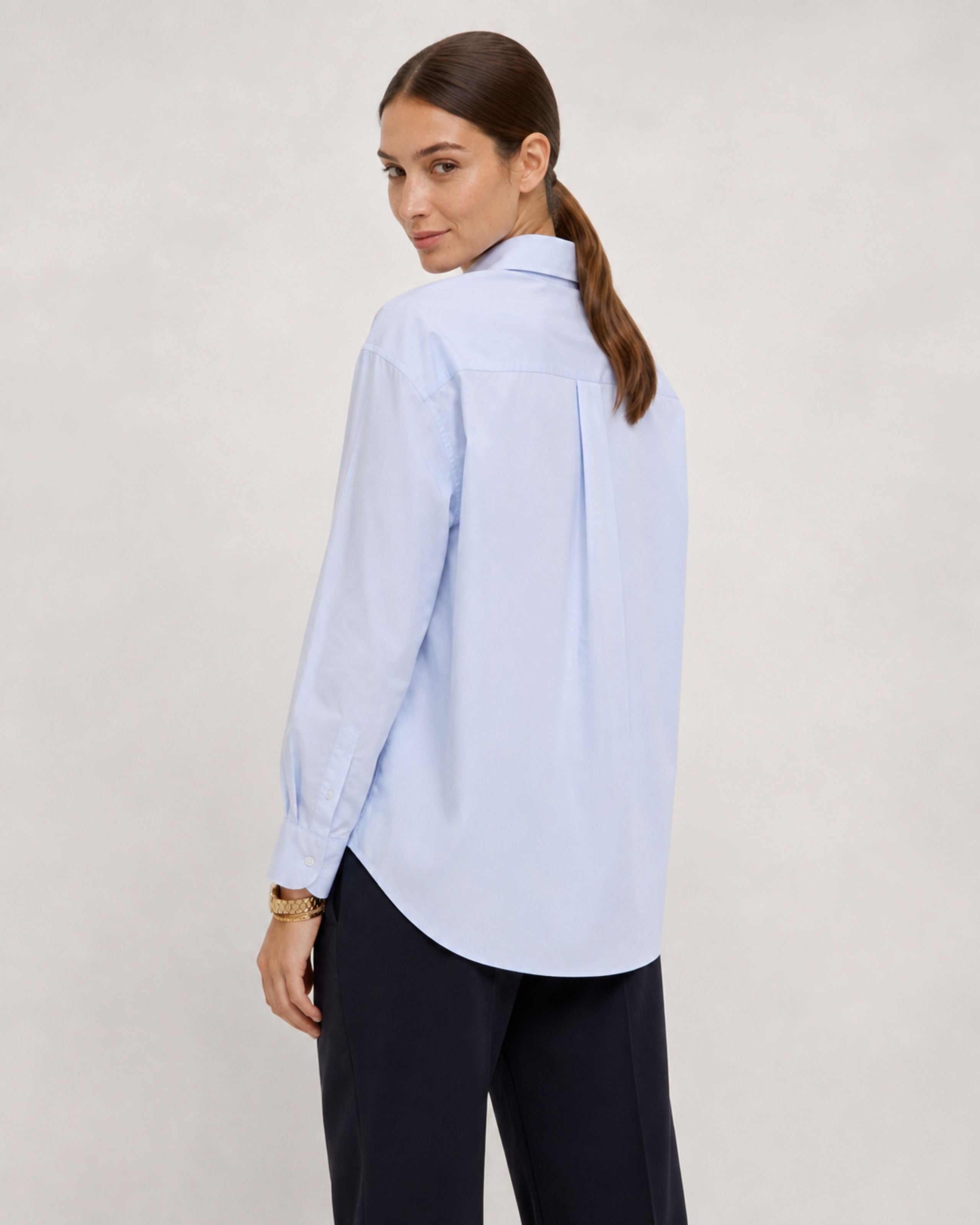
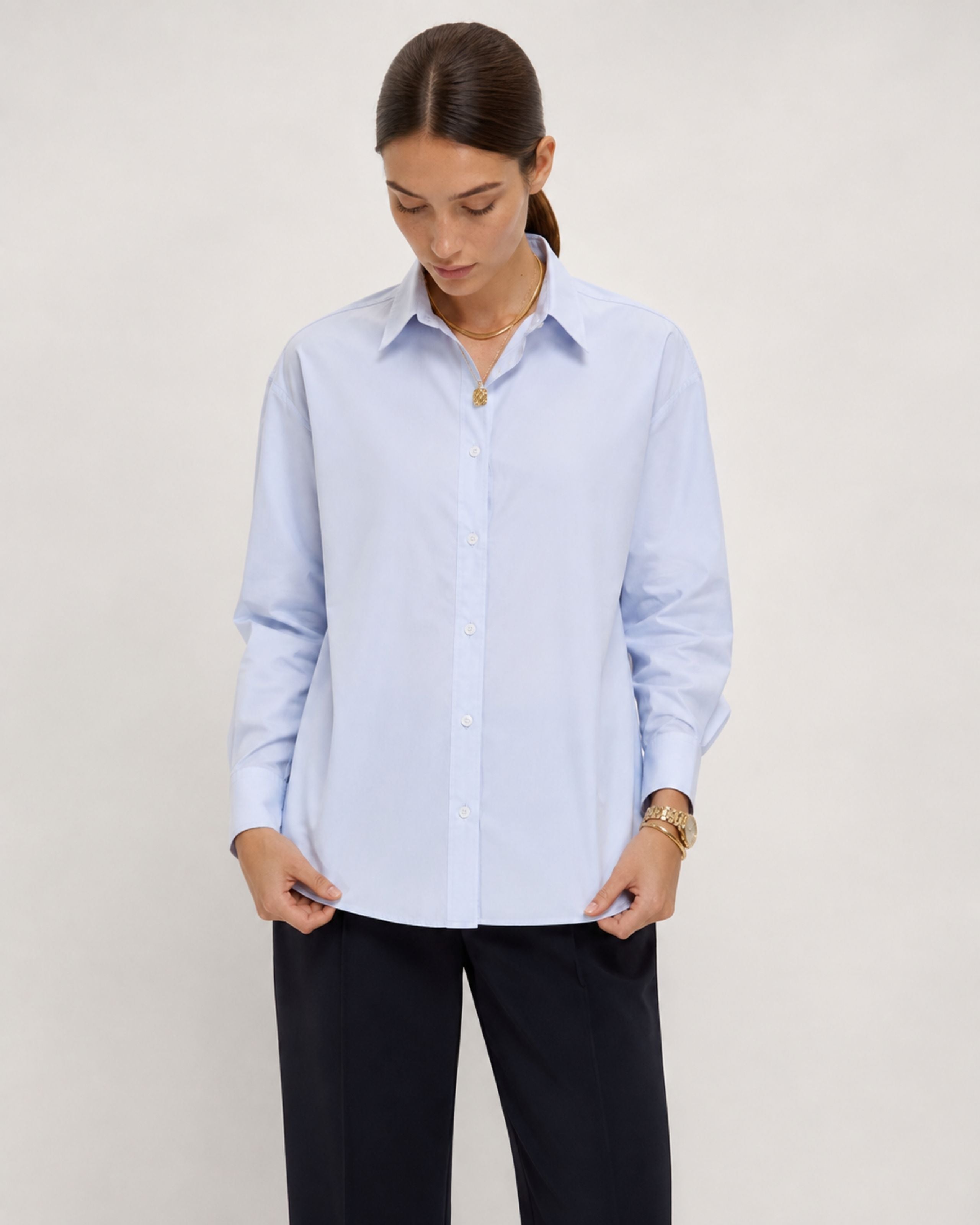
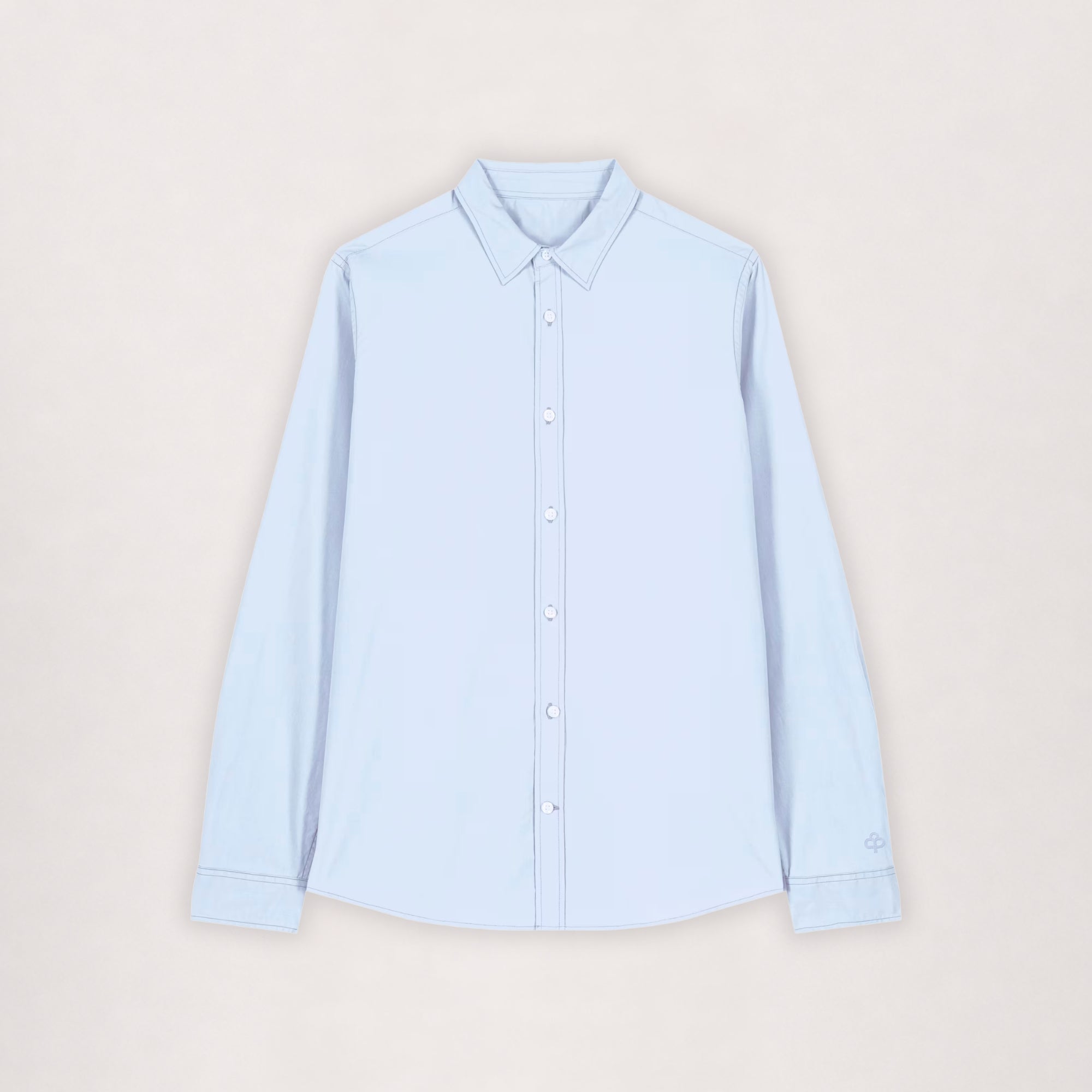
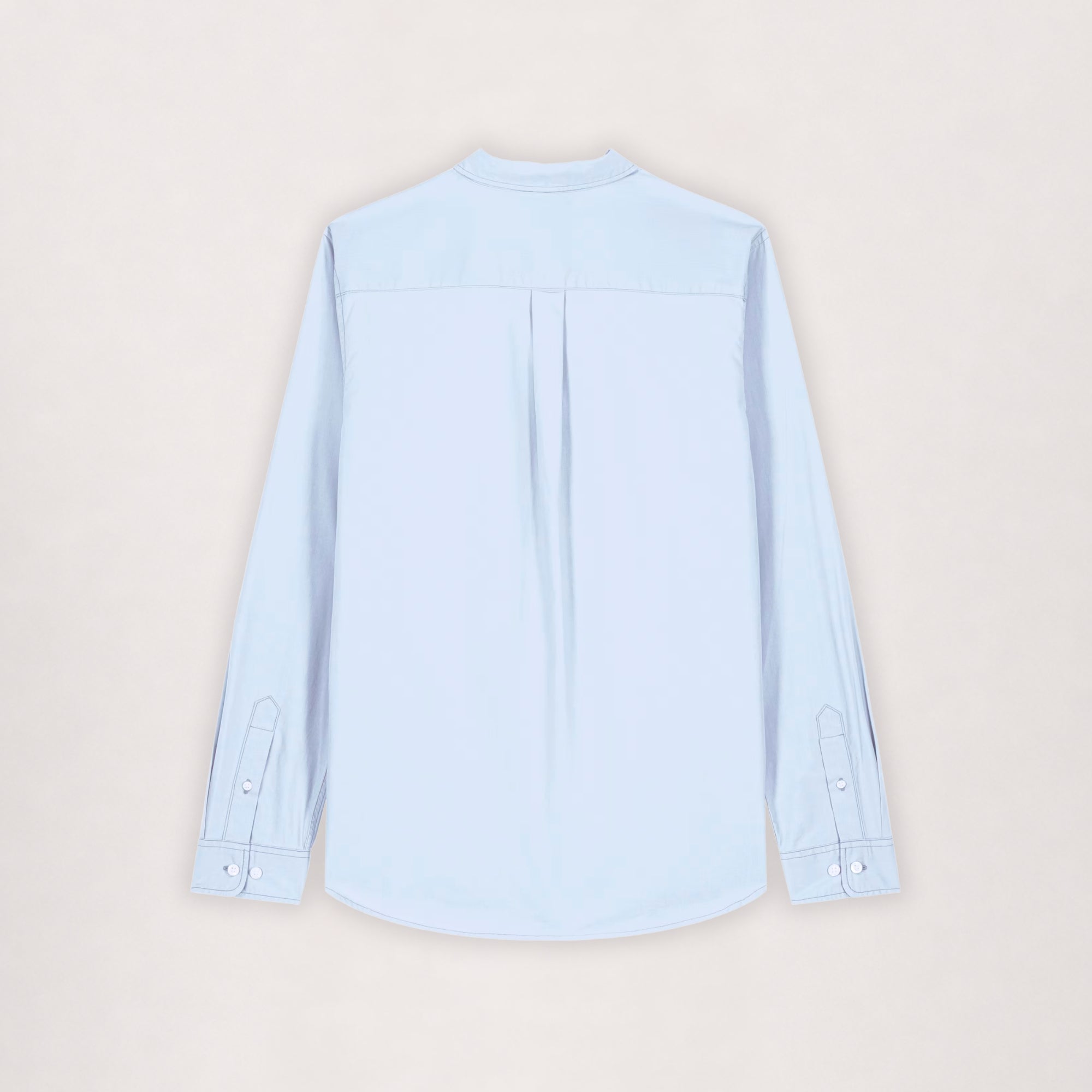
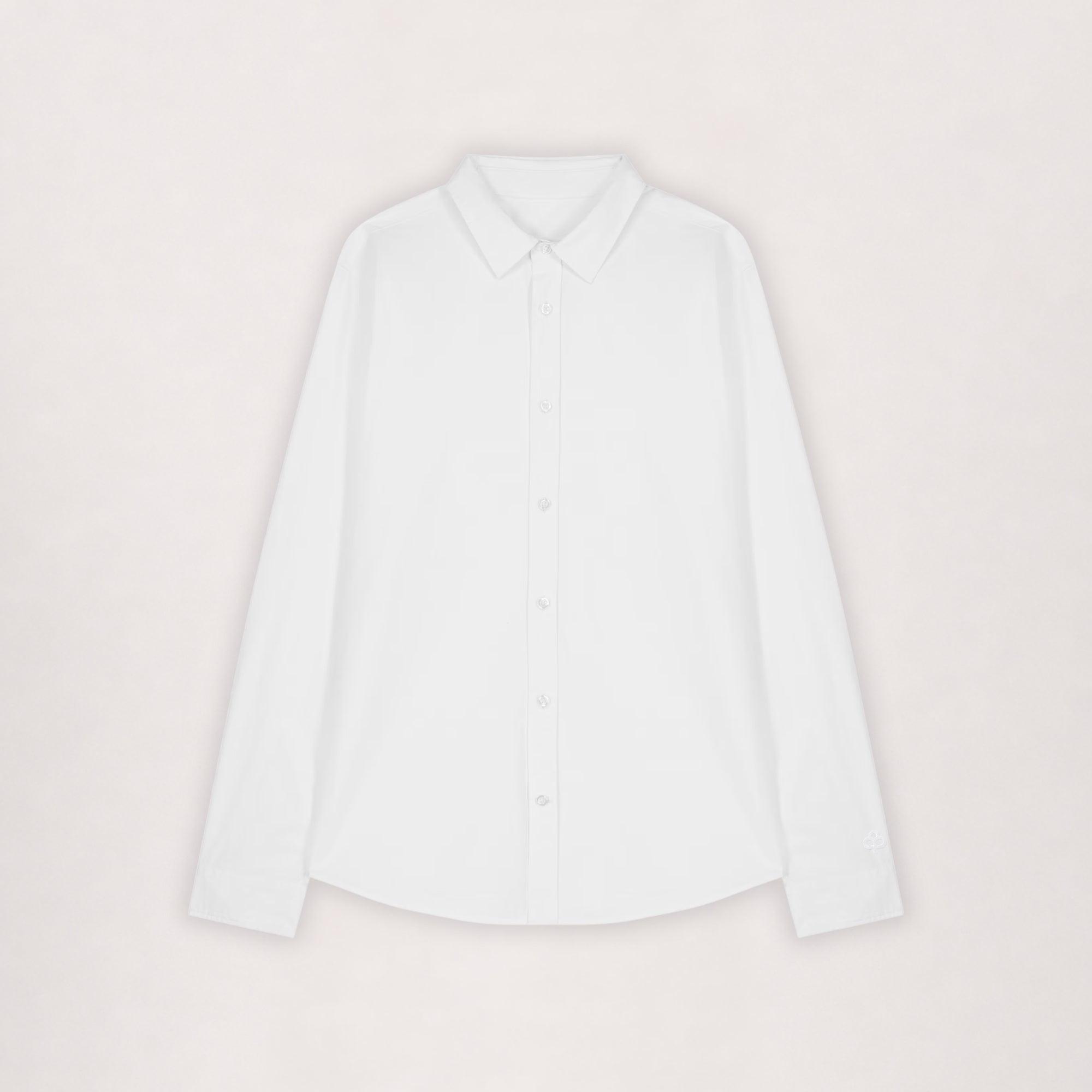
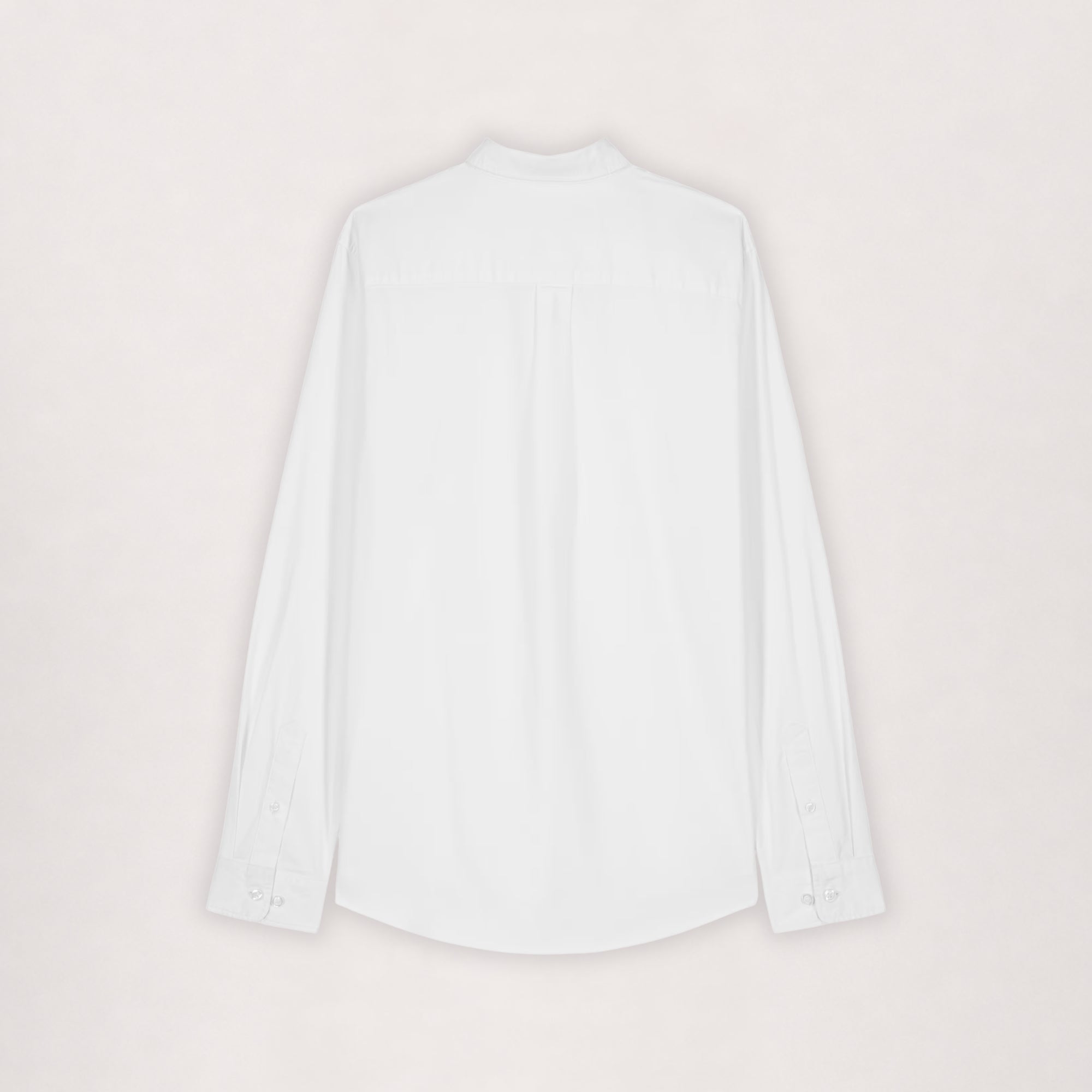
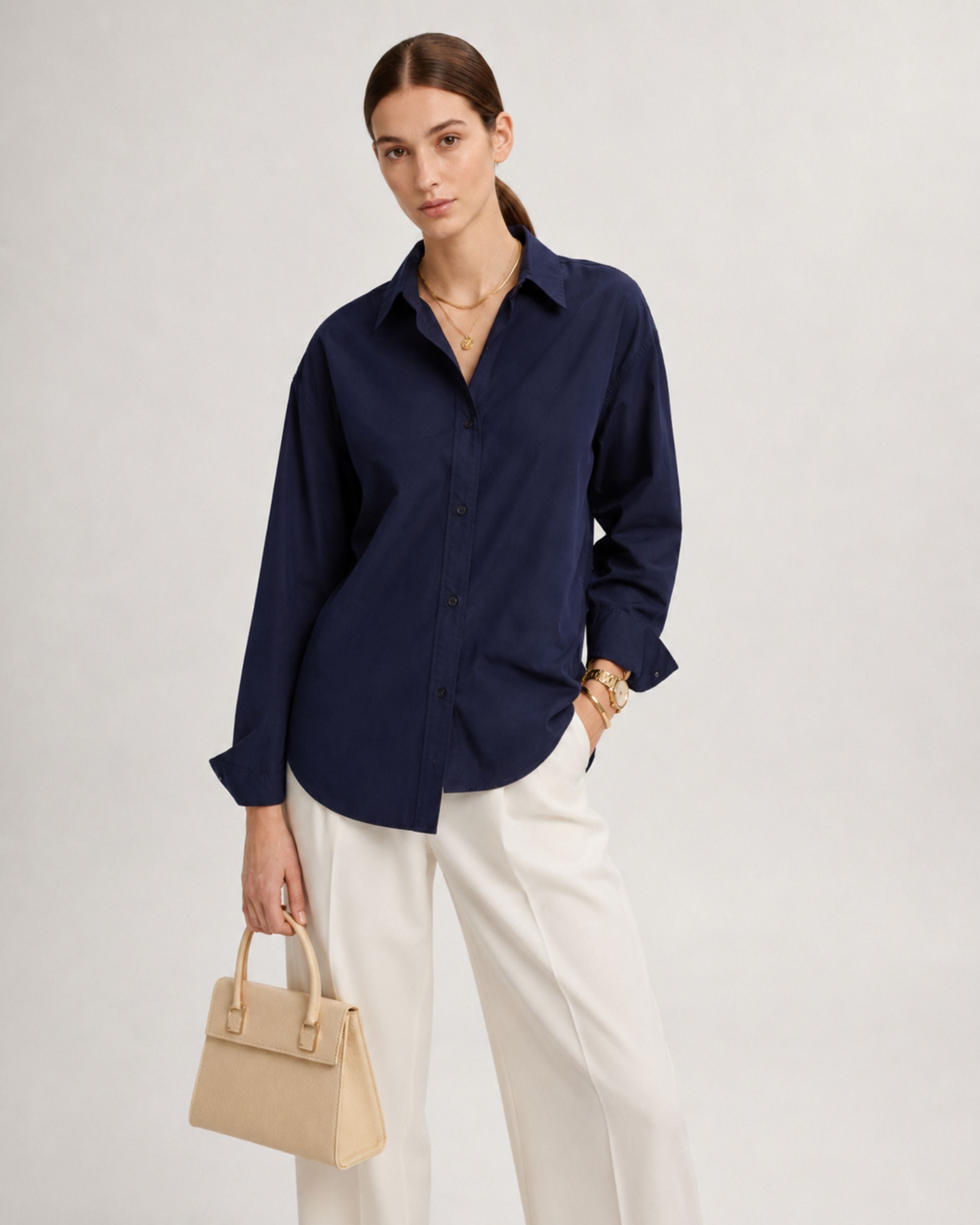
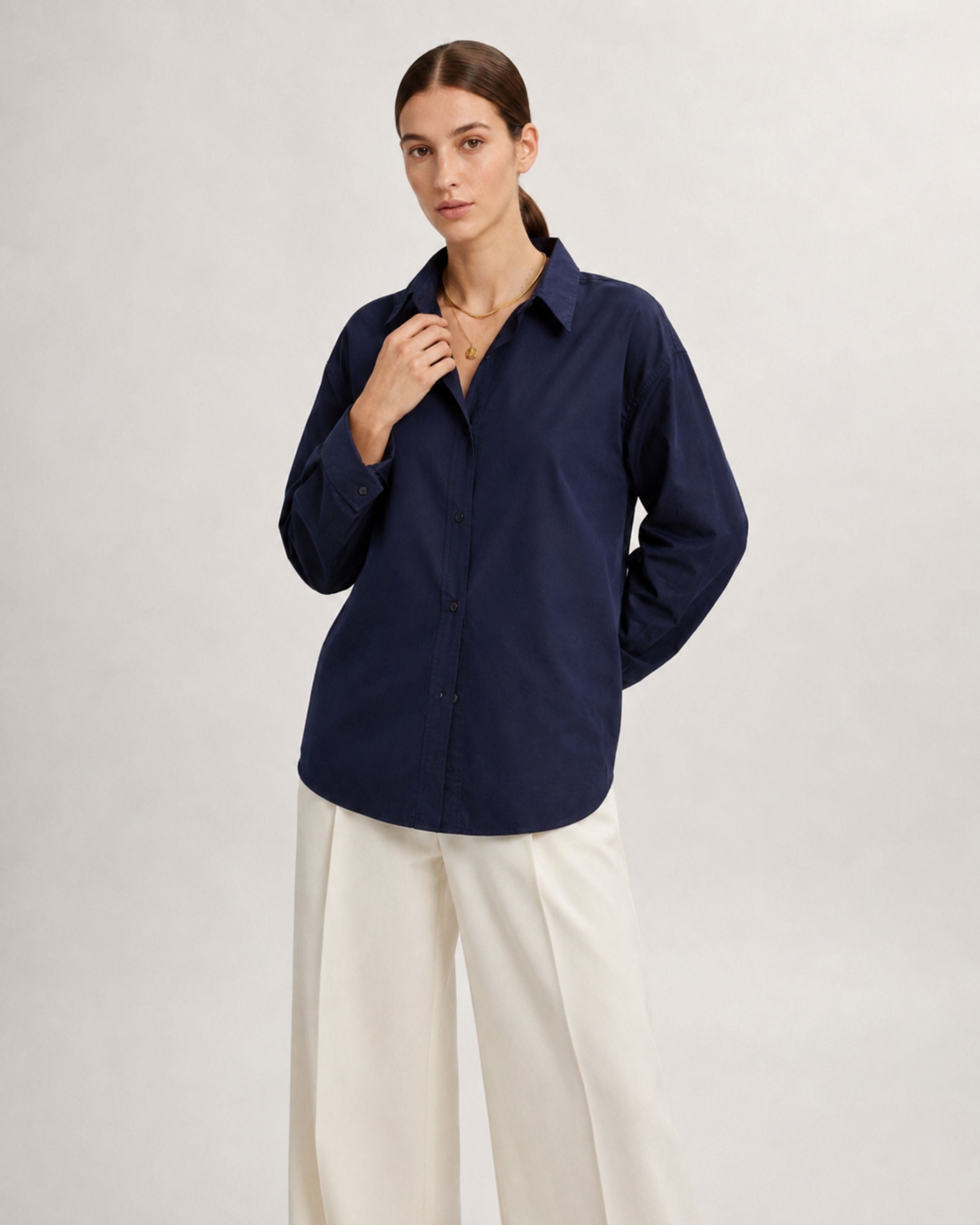
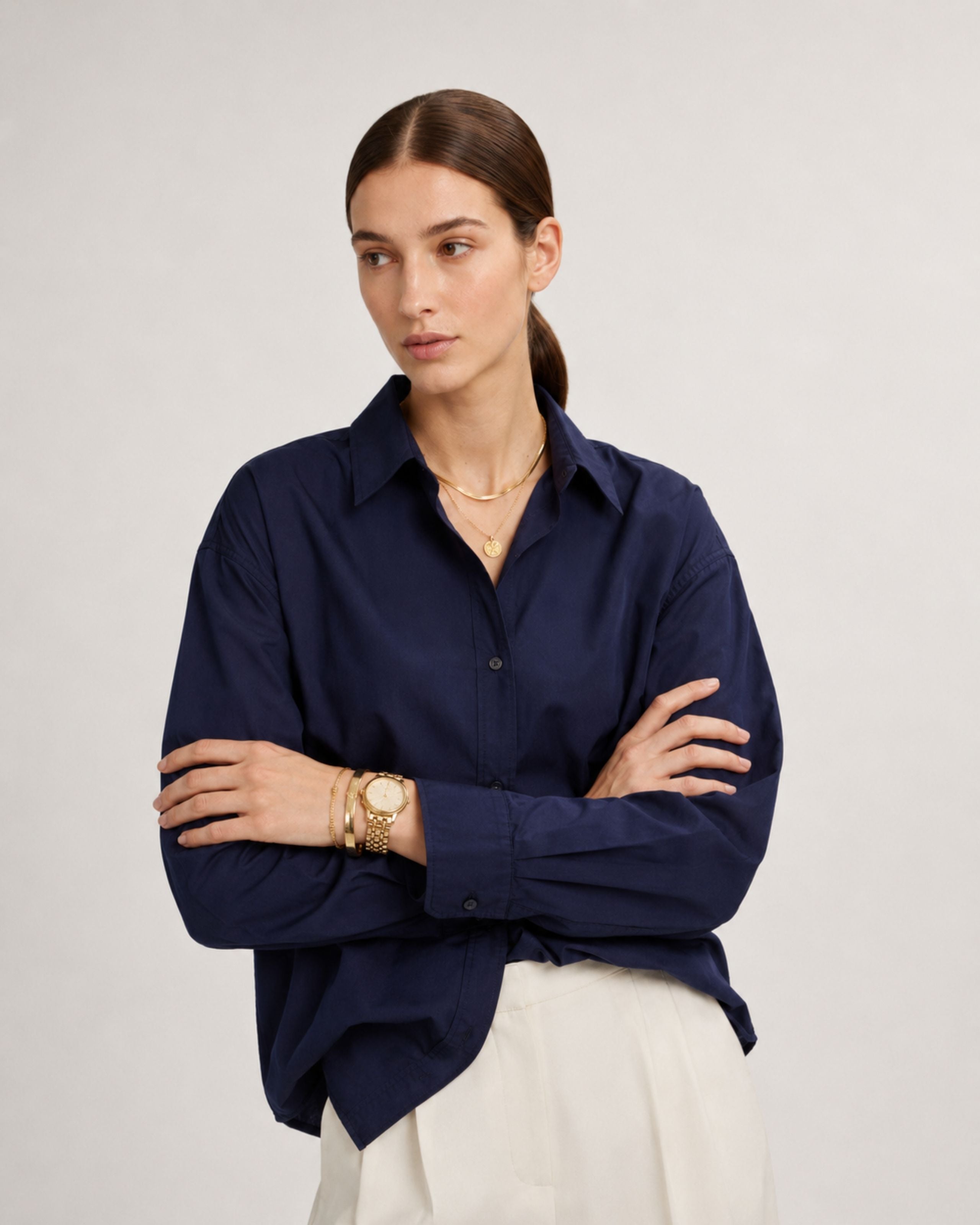
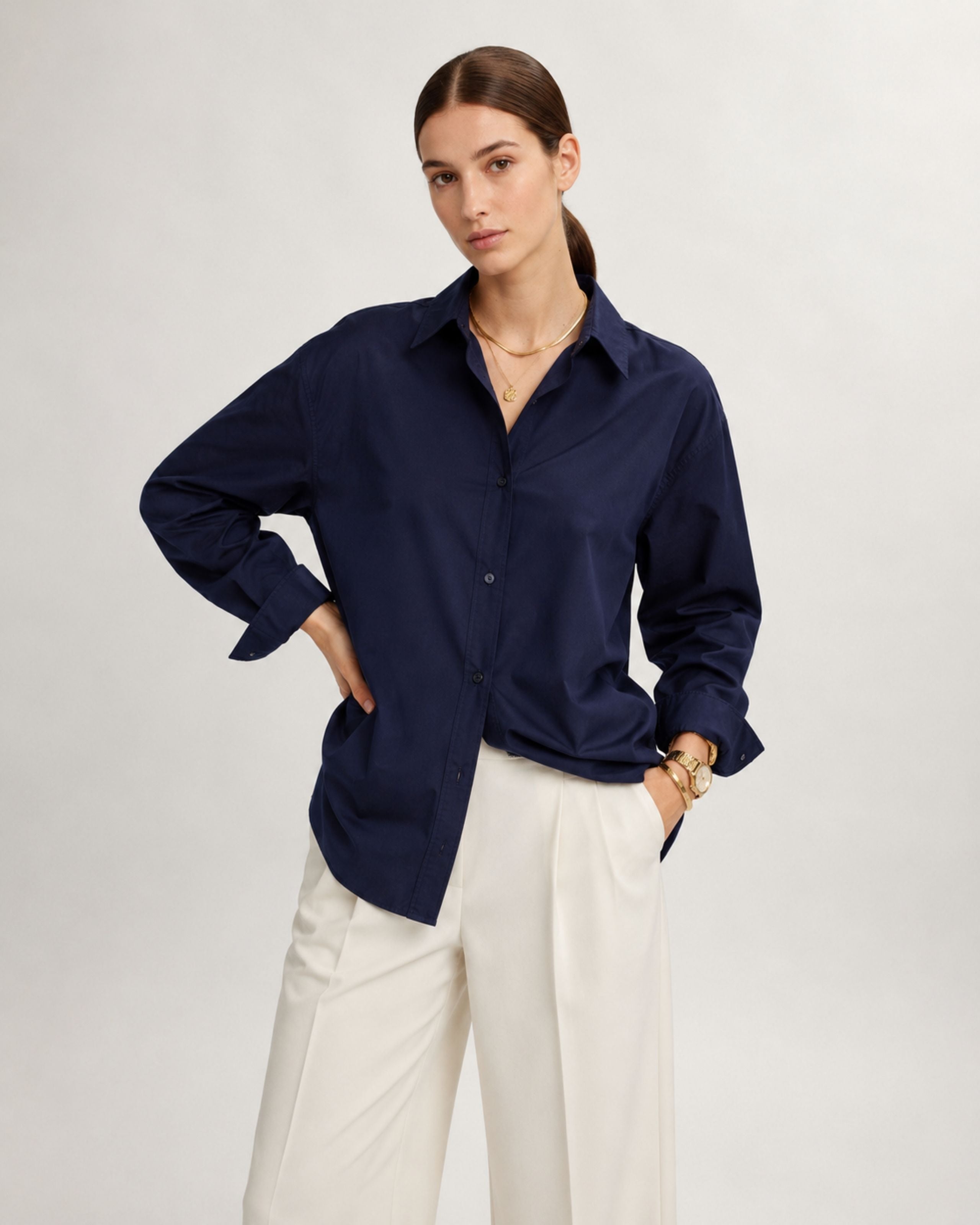
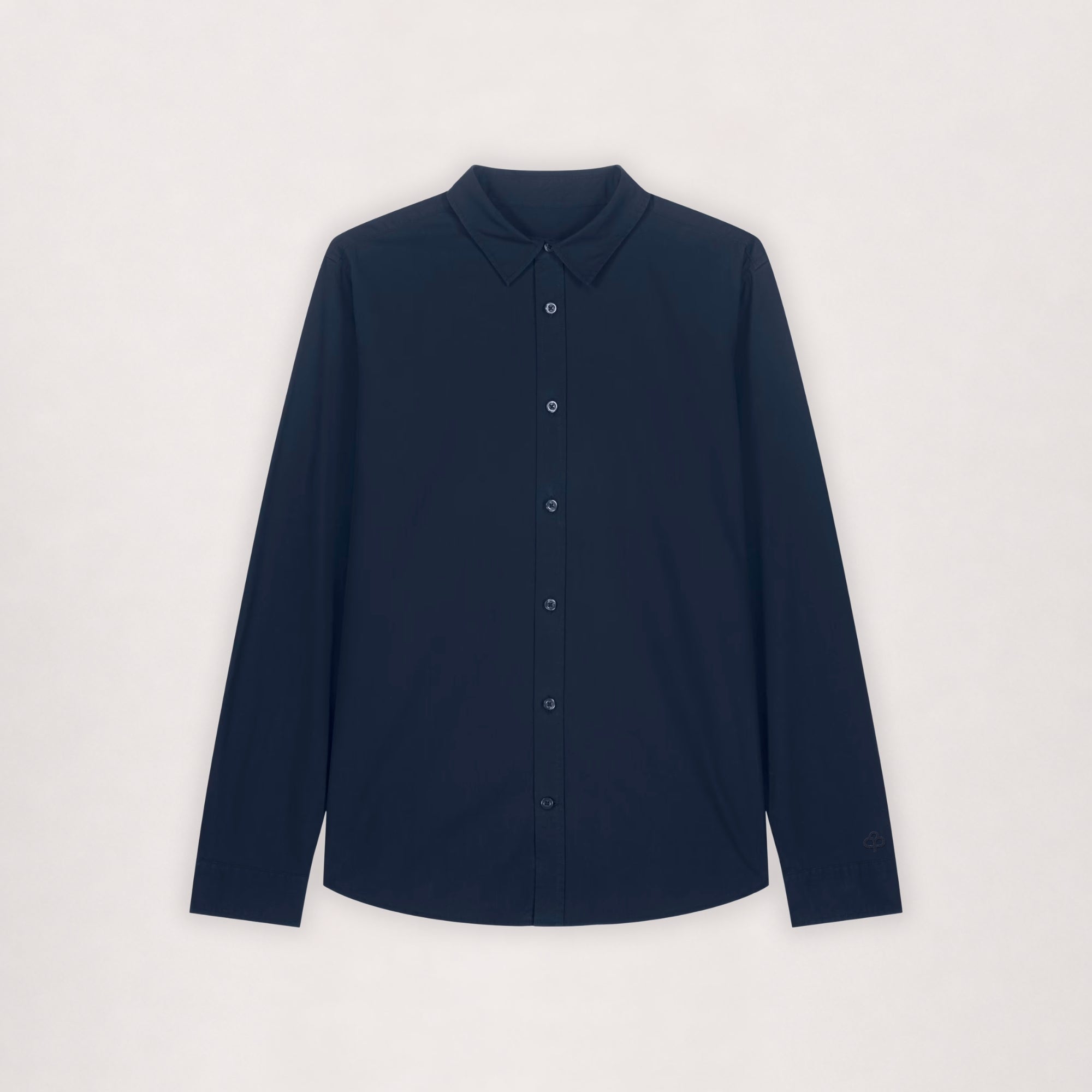
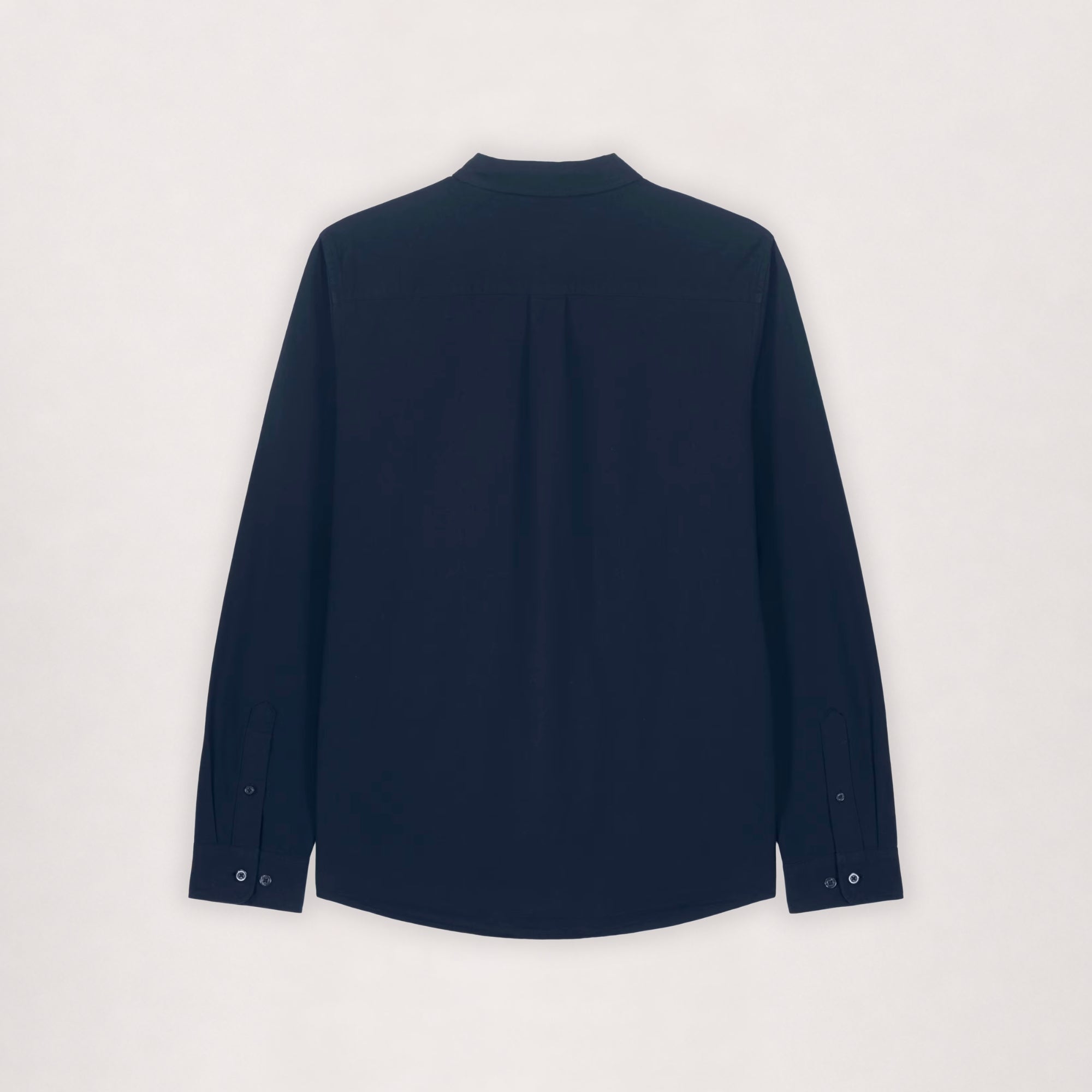
Om dezelfde lokale productielogica in een huidig product te zien, begint je met de Linnen overhemd. Andere stoffen, dezelfde nadruk op productie met naam en gecontroleerde batches.